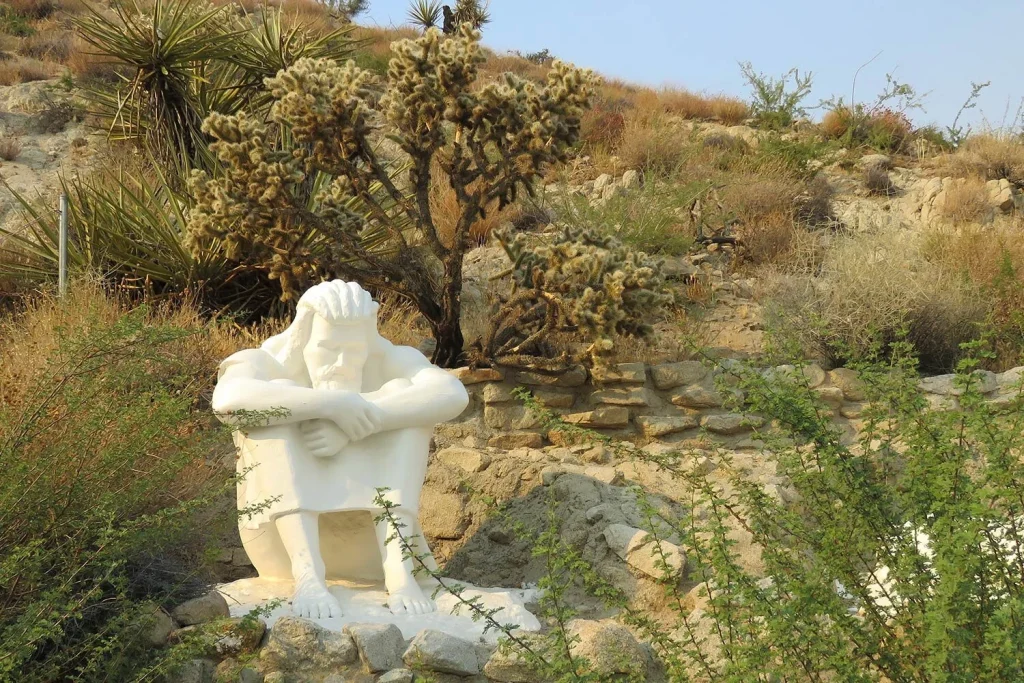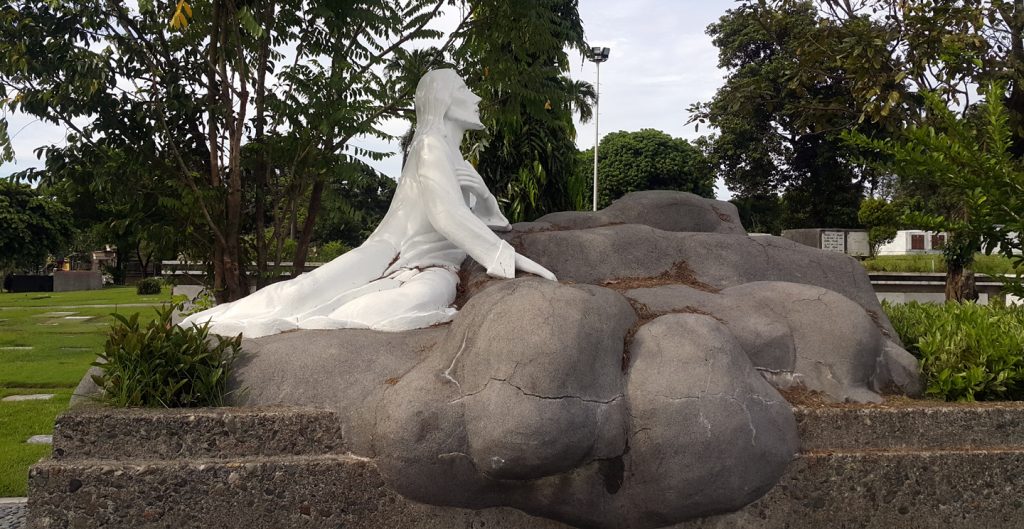
In landscape design, religious themes are increasingly becoming important elements for enhancing the depth and emotional resonance of spaces. Sculptures themed around the “Garden of Gethsemane statue,” in particular, are widely used in private courtyards, church gardens, outdoor prayer areas, and meditation spaces due to their unique spiritual symbolism. These sculptures, depicting Jesus praying in the Garden of Gethsemane, convey tranquility, submission, and inner strength, making the outdoor environment more than just aesthetically pleasing; they also carry spiritual significance.
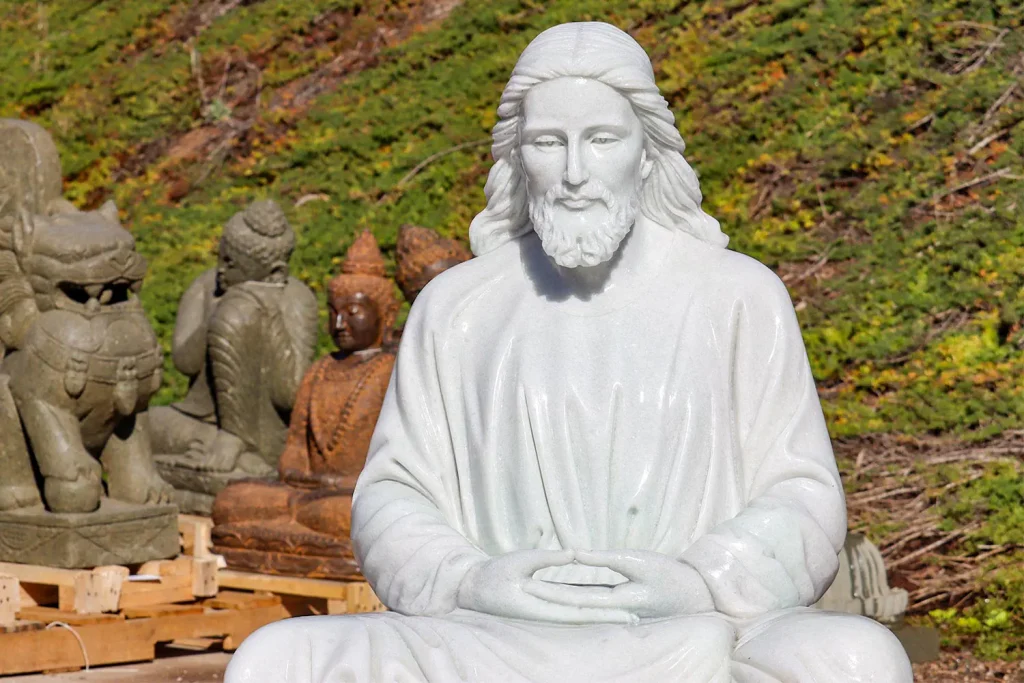
Many landscape designers choose the Garden of Gethsemane Christ Figurine as the focal sculpture to emphasize the meditative atmosphere of the space. This sculpture typically depicts Jesus kneeling in prayer, looking up at heaven, or prostrating himself in supplication, symbolizing His choice to submit to the Father’s will even in the face of suffering. Placed in the shade of trees, along stone paths, or beside water features, they can guide visitors to slow down and experience peace and reflection in nature.
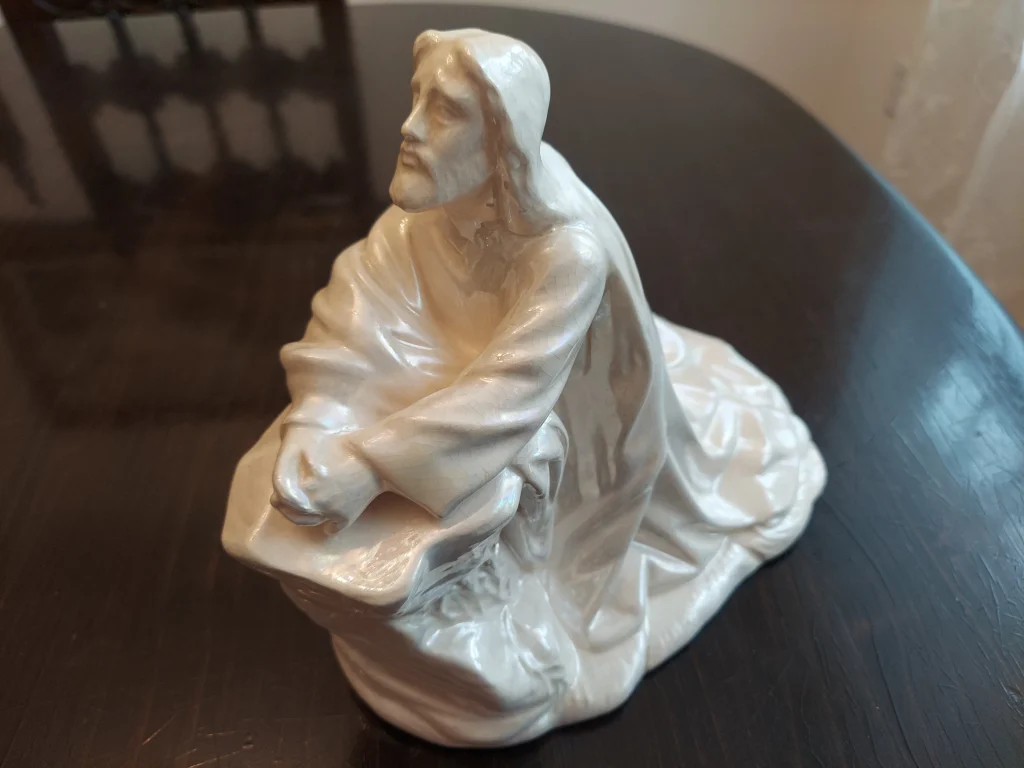
Furthermore, these sculptures possess high artistic value. Designers often use materials such as bronze, stone, or fiberglass to adapt them to outdoor climates while creating a dignified and sacred visual effect. Its surface texture and rustic color blend naturally with flowers, rocks, and garden structures, creating a “silent yet solemn” courtyard aesthetic.
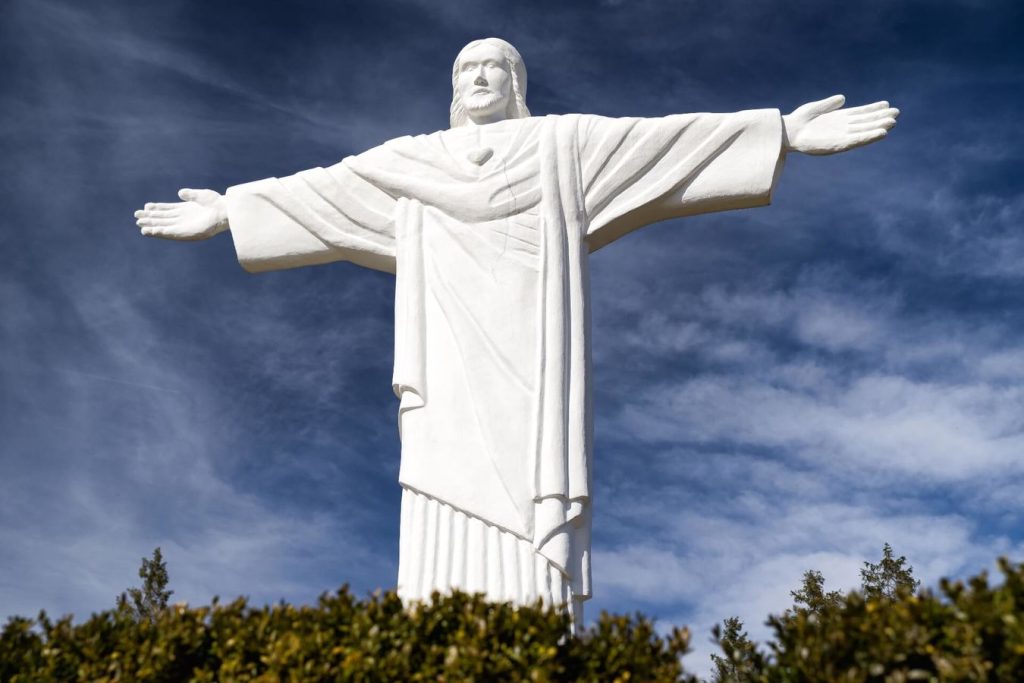
Whether as the central decoration of a spiritual space or as an artistic embellishment to a garden landscape, the Garden of Gethsemane statue imbues the environment with a deeper cultural and spiritual atmosphere. It is not merely an outdoor sculpture, but a landscape art form symbolizing faith and guiding visitors in inner dialogue.