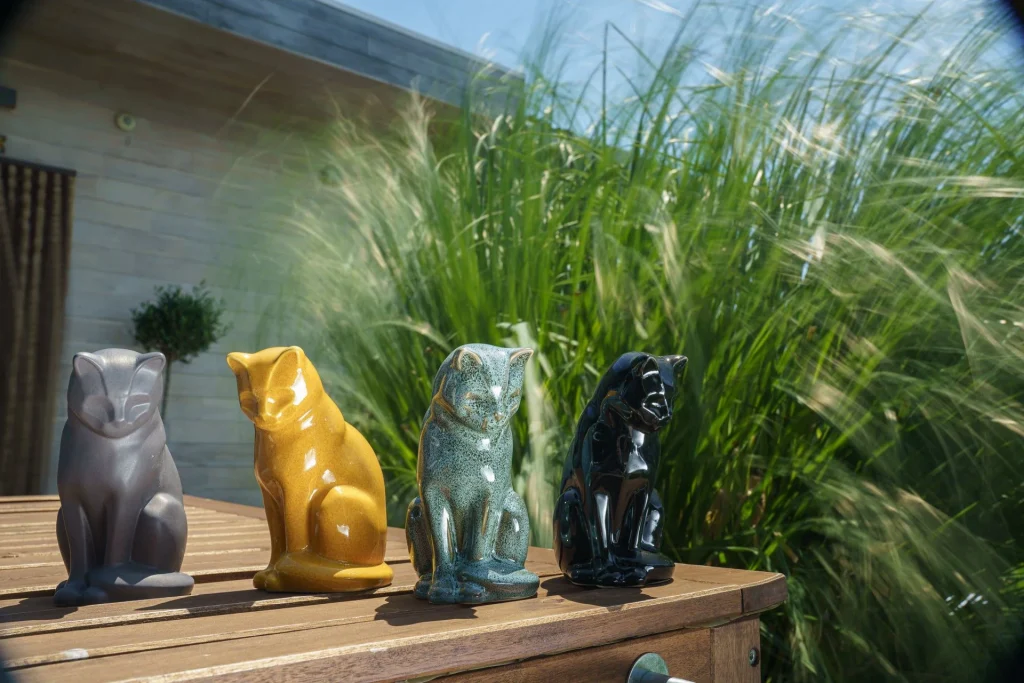
In the field of landscape design, Art Deco garden statues are gradually becoming a popular choice, offering a blend of artistry and order. Originating in the early 20th century, the Art Deco style is known for its clean geometric lines, symmetrical structures, and rational aesthetic. When introduced into garden spaces, this style infuses traditional gardens with a more modern and restrained artistic sensibility.
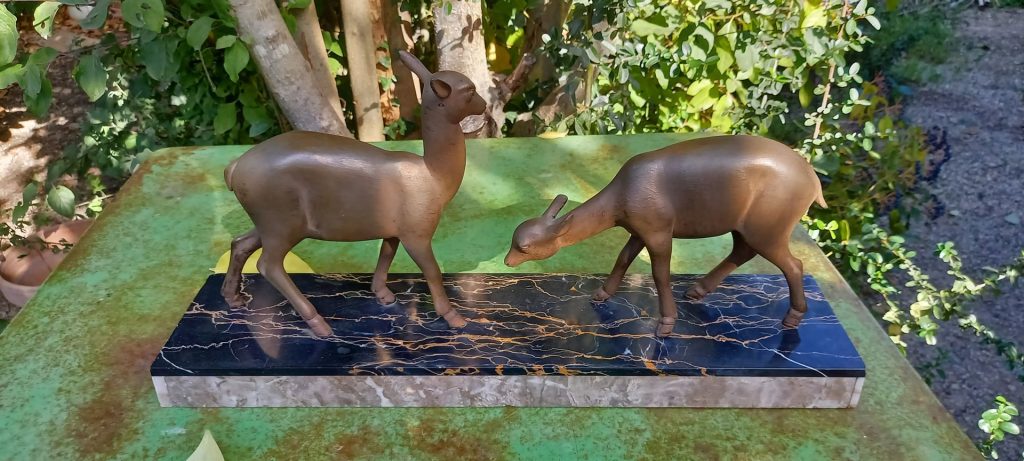
Unlike naturalistic gardens that emphasize spontaneity, Art Deco garden statues prioritize structure and proportion. The sculptures often feature simplified human forms, clean outlines, and stable compositions, creating a striking contrast against greenery, lawns, or stone pathways. This contrast is not jarring; instead, it allows the garden space to achieve a balance between nature and order, making the overall landscape more aesthetically pleasing and well-designed.
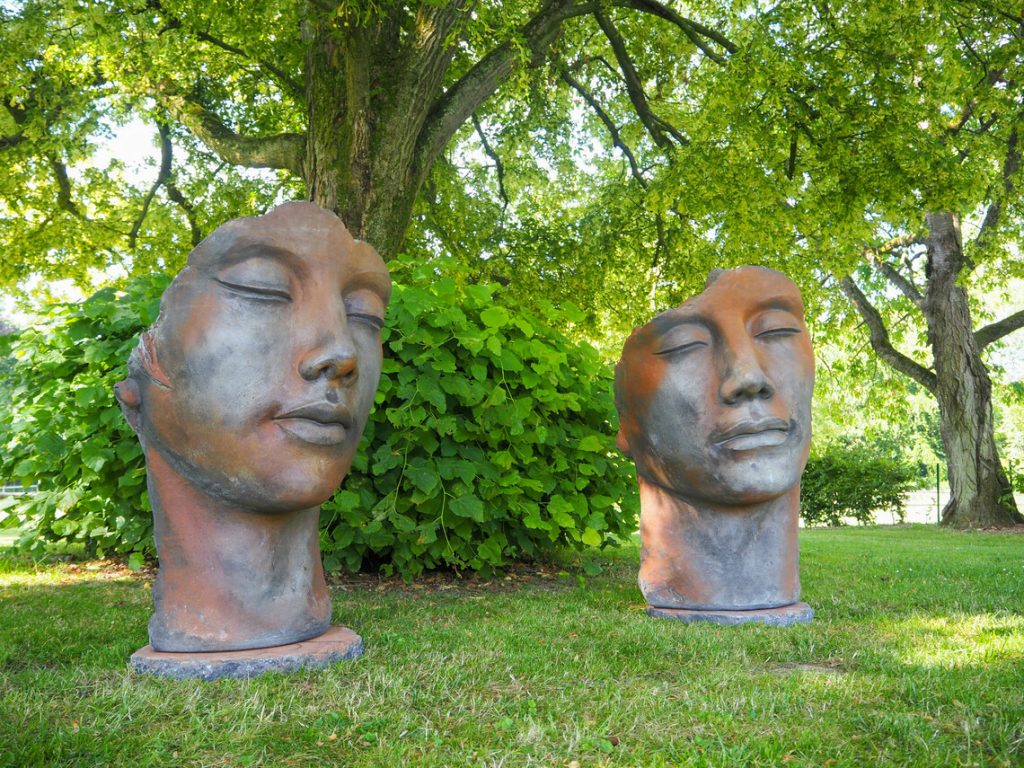
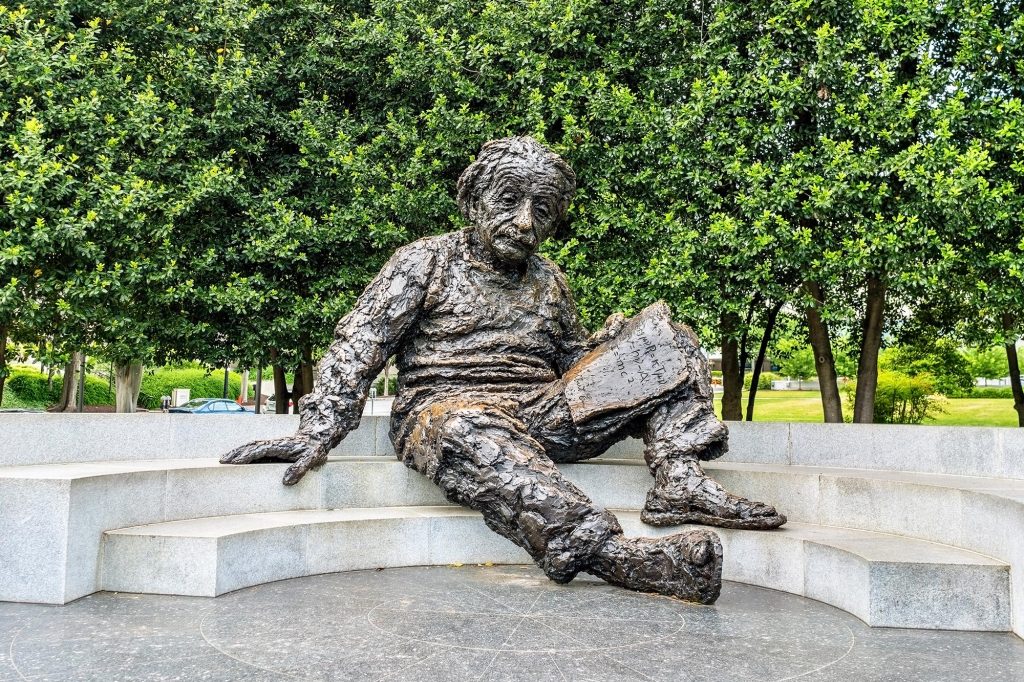
In terms of subject matter, figurative sculptures are particularly well-suited to the Art Deco style. The geometric treatment of human figures minimizes detailed depiction, emphasizing instead the spirit and symbolic meaning. For example, when incorporating themes of science, thought, or wisdom into a garden environment, an Einstein figure statue becomes a representative choice. Its features are summarized in a clear visual language, highly compatible with Art Deco’s rational aesthetics, while simultaneously adding cultural depth to the garden space.
From a landscape design perspective, Art Deco garden statues are not merely decorative elements but also “anchor points” for the spatial rhythm. They can serve as focal points, divide areas, or guide walking paths. In contemporary landscape design, these sculptures are gradually evolving from simple embellishments to core elements that connect art, environment, and thought, transforming the garden into an outdoor space that is both visually appealing and intellectually stimulating.
