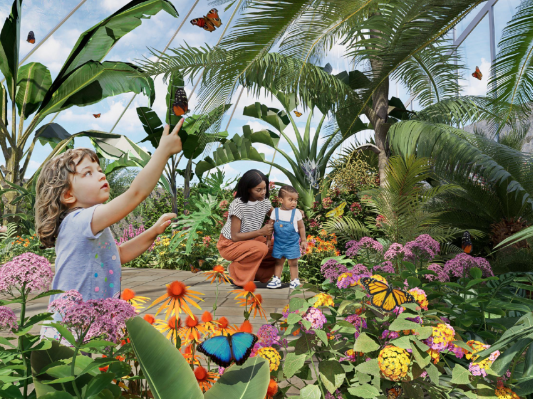
Creating a butterfly garden is an exciting project that can engage children and teach them about nature. By attracting these beautiful insects, kids will not only enjoy watching them but also learn about their life cycles and the importance of pollinators in our ecosystem.
1. Choosing the Right Plants
The foundation of a butterfly garden lies in the selection of plants. Butterflies are attracted to specific types of flowers that provide nectar, while their larvae depend on host plants for food. To create a thriving butterfly garden, choose a variety of native plants that bloom at different times throughout the growing season, ensuring a consistent food supply.
Popular choices include milkweed, which is essential for monarch butterflies, and coneflowers, which attract a wide array of butterfly species. Other excellent options are lantana and zinnias, which come in vibrant colors that catch butterflies’ eyes. Be sure to research local butterfly species to select the most suitable plants for your area.
-
- Research local butterfly species to determine plant preferences.
-
- Select a mix of nectar-rich flowers and host plants.
-
- Choose plants that bloom in different seasons for continuous attraction.
-
- Consider native plants, as they are better adapted to your local environment.
2. Creating the Ideal Habitat
A butterfly garden should be a welcoming habitat for these delicate creatures. Butterflies prefer sunny spots with shelter from strong winds. Aim for an area that gets at least six hours of sunlight each day. You can achieve this by choosing an open space or trimming back overhanging branches from nearby trees.
In addition to sunlight, add elements like rocks, logs, and shallow water sources to create a comfortable environment. Butterflies need places to bask in the sun and rest, and rocks serve as wonderful sunbathing spots. Water sources, like a shallow dish filled with rocks and water, provide hydration without the danger of drowning.
-
- Find a sunny location, with at least six hours of daily sunlight.
-
- Add rocks and logs as resting spots for butterflies.
-
- Provide a shallow water dish to keep butterflies hydrated.
-
- Consider windbreaks, like hedges, to protect from gusts.
3. Attracting Butterflies
You can also use specific gardening techniques, like planting in clusters, to create a more inviting atmosphere. Additionally, consider avoiding pesticides and herbicides, as these chemicals can harm butterflies and other beneficial insects. Instead, embrace natural pest control methods, such as encouraging ladybugs and lacewings in your garden.
- Plant colorful flowers in clusters to draw attention.
- Experiment with different sizes and shapes of flowers.
- Avoid harmful pesticides; opt for organic options instead.
- Encourage natural pest control by attracting beneficial insects.
4. Observing and Learning About Butterflies
- Create a butterfly journal for recording observations.
- Use a butterfly identification guide to enhance learning.
- Organize regular butterfly counts to track species.
- Encourage creative expression by drawing butterflies in the journal.
5. Incorporating Educational Activities
- Incorporate seed planting lessons for hands-on learning.
- Make butterfly feeders to attract more butterflies.
- Create art projects using recycled materials, inspired by butterflies.
- Visit local nature centers for educational outings.
Creating a butterfly garden is an enriching activity that allows children to connect with nature while learning about important ecological concepts. With the right plants, habitat, and engaging educational activities, you can spark a lifelong interest in wildlife and conservation. So gather your kids, start planning, and watch your butterfly garden come to life!