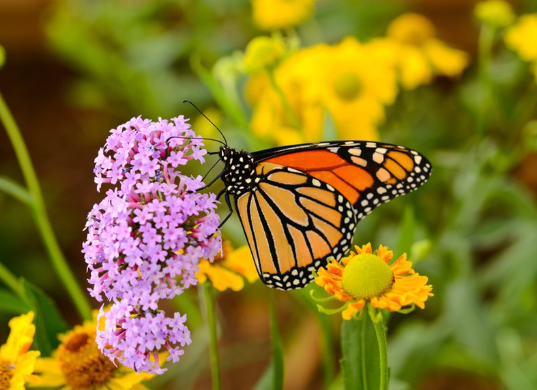
Creating a butterfly garden can be a delightful way to connect with nature while providing essential habitats for these beautiful insects. By carefully selecting the right plants, you can attract a variety of butterfly species. This guide will help you understand which plants to choose for your garden so you can enjoy a vibrant and lively outdoor space.
1. Nectar Plants: The Key to Attracting Butterflies
Nectar plants are essential for attracting adult butterflies, providing them with the energy they need to thrive. Some of the best nectar plants include coneflowers, milkweed, and lantana. These plants are not only attractive to butterflies, but also to other pollinators like bees and hummingbirds, enhancing your garden’s ecosystem.
When choosing nectar plants, aim for a variety of colors and bloom times to ensure a continuous food source throughout the growing season. Grouping plants in clusters can make them more visible and inviting to butterflies. Don’t forget to avoid using pesticides, as they can harm butterflies and other beneficial insects.
-
- Choose native plants that are adapted to your local climate.
-
- Opt for a mix of annuals and perennials for continuous blooms.
-
- Include plants with different flower shapes to attract various butterfly species.
-
- Avoid using chemical pesticides that can harm butterflies.
2. Host Plants: Essential for Butterfly Life Cycles
Host plants are crucial for the caterpillar stage of butterflies, as they provide food for the larvae. Many popular butterflies, such as the monarch and swallowtail, lay their eggs on specific plants that caterpillars feed on once they hatch. For example, milkweed is a key host plant for monarchs, while dill and parsley serve as host plants for swallowtails.
Incorporating a range of host plants into your garden will ensure that butterflies can complete their life cycles nearby. Make sure to research which butterflies are native to your area and include their corresponding host plants in your garden layout. This not only supports the butterfly population but also enhances the biodiversity of your garden.
-
- Identify native butterfly species in your area.
-
- Select the appropriate host plants that correspond to those butterfly species.
-
- Plant host plants in sunny locations with ample moisture.
-
- Monitor for any caterpillars and avoid interfering with their growth.
3. Layout and Maintenance: Creating a Butterfly-Friendly Space
A well-planned layout is vital for a successful butterfly garden. Start by positioning your garden in a sunny spot, as butterflies are attracted to warmth and light. Create a design that includes groups of nectar and host plants interspersed with open spaces for butterflies to bask in the sun. Additionally, consider adding water sources like shallow dishes or birdbaths for hydration.
Maintenance is essential to keep your butterfly garden thriving. Regularly check for overgrown plants and remove any dead foliage that could harbor pests. Watering during dry spells and mulching around plants can help retain moisture. It’s also beneficial to educate friends and family about the importance of butterflies and encourage them not to disturb the garden.
-
- Place your garden in a sunny, well-drained area.
-
- Group plants in clusters for easier access for butterflies.
-
- Provide shallow water sources for butterflies’ hydration.
-
- Regularly maintain your garden by watering and weeding.
In conclusion, creating a butterfly garden is not only enjoyable but also an important step in supporting butterfly populations. By selecting the right nectar and host plants, and maintaining a conducive environment, you can create a welcoming space for these enchanting creatures. Start planning your garden today and enjoy the blessings of nature right at home!