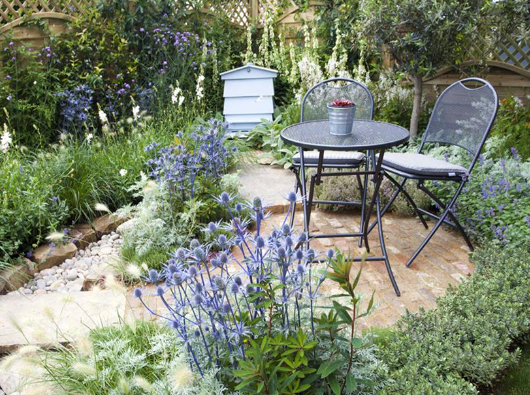
Creating an eco-friendly garden is not just a trendy endeavor; it’s a vital contribution to preserving our pollinator population, especially bees. By cultivating a bee-friendly garden, you can help these crucial insects thrive while also enhancing the beauty and productivity of your outdoor space. Here’s how you can establish a welcoming ecosystem for bees in your garden.
1. Choosing the Right Plants
Selecting the right plants is essential for attracting bees. Opt for native flowers, as they provide the necessary nectar and pollen that local bee species need to survive. Flowers like lavender, sunflowers, and coneflowers are dazzling options that bloom at different times throughout the season, ensuring a continuous food supply for bees. Consider incorporating a diverse range of plants to cater to various bee species—some prefer shallow flowers, while others may prefer deeper blooms.
In addition to flowering plants, consider including herbs in your garden, such as basil, thyme, and mint, which are also attractive to bees when they bloom. Plant in clusters rather than scattering flowers; this makes it easier for bees to find their food sources. You can also practice companion planting, pairing flowers with vegetables to create a more hospitable environment!
-
- Choose native plants that bloom throughout the season.
-
- Use clusters of flowers to attract bees more effectively.
-
- Include a variety of flower shapes for different bee species.
-
- Incorporate herbs like basil and mint for dual benefits.
-
- Participate in local seed swaps to discover native flowers.
2. Creating Nesting Habitats
Just as important as providing food is creating a safe space for bees to nest. Many native bee species, such as mason bees, prefer to nest in loose soil or hollow stems. You can enhance your garden by leaving patches of bare soil and avoiding excessive tilling, allowing ground-nesting bees to thrive. Additionally, constructing bee hotels—wooden structures filled with hollow tubes or holes—can offer shelter for cavity-nesting species.
Consider incorporating natural materials into your garden’s design, such as logs, twigs, or straw, which can serve as potential nesting sites. Avoid the use of pesticides, as these can harm any bee species trying to establish a home in your garden. Instead, embrace organic methods for pest control to uphold a healthy, vibrant environment.
-
- Leave patches of bare soil for ground-nesting bees.
-
- Build or purchase bee hotels with hollow tubes.
-
- Avoid tilling excessively to maintain nesting sites.
-
- Use natural materials like logs and twigs for nesting options.
-
- Adopt organic pest control methods to keep the ecosystem healthy.
3. Water Sources and Maintenance
A sustainable garden for bees also provides a reliable water source. Bees, like all insects, need water for hydration, and they often struggle to find it in urban environments. Create shallow puddles or birdbaths filled with gravel for bees to land safely while they drink. Remember to refresh water sources frequently to prevent stagnation and breeding of unwanted pests.
While your eco-friendly garden flourishes, maintenance plays a crucial role in its longevity. Regularly deadhead flowers to promote new blooms and avoid letting weeds overpower your garden, which can disrupt your pollinators’ habitat. Implementing mulching techniques can help maintain soil moisture and discourage unwanted weeds, creating a healthy environment for all garden inhabitants.
-
- Provide shallow water sources like birdbaths or puddles.
-
- Refresh the water regularly to prevent stagnation.
-
- Deadhead flowers to encourage continuous blooming.
-
- Implement mulching methods for moisture retention.
-
- Regularly inspect your garden for weeds and pests.
4. Educating Others in Your Community
Once your garden is flourishing, consider sharing the knowledge and practices you’ve implemented with your community. Organize workshops, or create pamphlets offering tips on having an eco-friendly garden that supports bees. Educating your friends and neighbors can spark interest in pollinator health, leading to a collective effort to create more bee-friendly spaces.
Volunteering with local environmental organizations focused on pollinator conservation can extend the impact of your efforts. Engaging in community programs can offer valuable insights and resources while helping to foster a shared goal of protecting and nurturing bee populations. Every small action contributes to a larger initiative to restore the ecosystem!
-
- Organize workshops on bee-friendly gardening tips.
-
- Create informative pamphlets for neighbors and friends.
-
- Engage in local environmental initiatives focused on pollinators.
-
- Start a community garden dedicated to supporting bee health.
-
- Use social media to share your experiences and results.
By implementing these strategies, you can effectively create an eco-friendly garden that contributes positively to the welfare of bees. Consider reaching out to local gardening communities or conservation groups to further enhance your efforts. Every action counts, and together we can make a difference for our essential pollinators!