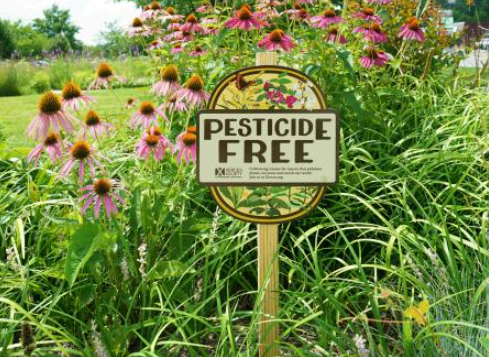
As our global ecosystem faces increasing challenges, pollinator gardens have emerged as an essential component for fostering biodiversity. Pesticide-free pollinator gardens not only provide a safe haven for bees, butterflies, and other pollinators but also support local flora and fauna. In this blog post, we’ll explore how to create imposing pesticide-free gardens that contribute positively to your environment.
1. Understanding the Importance of Pollinators
Pollinators such as bees, butterflies, and hummingbirds play a vital role in the health of our ecosystems. They facilitate the reproduction of flowering plants, leading to increased food diversity and a balanced habitat for many species. Without these crucial agents, agricultural outputs could plummet, leading to reduced food availability for both humans and wildlife.
Creating a pesticide-free pollinator garden can mitigate the threats posed to these valuable insects. Pollinators are often harmed by chemical pesticides, which not only impact their populations but the plants that depend on them. By removing these toxins from your gardening practices, you help establish a flourishing environment for these essential species.
-
- Educate yourself about local pollinators and their needs.
-
- Choose native plants, which support local ecosystems.
-
- Consider the life cycle of pollinators when planning your garden.
-
- Implement organic gardening methods to keep harmful chemicals away.
2. Choosing the Right Plants for Your Garden
Selecting the right plants is crucial for attracting and supporting pollinators. Native plants are typically a better choice as they are adapted to your local climate and soil conditions, requiring less maintenance and water. Additionally, they often have flowers that are more appealing to native pollinators.
Color and fragrance are also important considerations when planting your garden. Brightly colored flowers tend to attract more pollinators, and fragrant blooms can entice them further. Some excellent choices may include coneflowers, milkweed, and sunflowers, which are known to attract various species of bees and butterflies.
-
- Opt for a variety of plants to ensure blooming throughout the seasons.
-
- Include nectar and pollen-rich flowers.
-
- Plant in clusters to increase visibility and accessibility for pollinators.
-
- Ensure a pleasing combination of colors and heights for aesthetic appeal.
3. Creating an Ideal Environment for Pollinators
Another critical aspect is providing essential resources such as water and shelter. A small birdbath or shallow dish filled with pebbles and water can serve as a drinking station. Similarly, incorporating brush piles, native grasses, or bee hotels will offer shelter and nesting sites for pollinators throughout various stages of their lifecycle.
-
- Use natural materials like rocks and logs for structure.
-
- Include a water source to keep pollinators hydrated.
-
- Avoid using lawn chemicals or fertilizers in close proximity.
-
- Implement companion planting to enhance your garden’s resilience.
4. Maintaining Your Pesticide-Free Pollinator Garden
Maintenance is key to keeping your pollinator garden thriving. Regularly monitor your plants for any signs of pests or diseases, and use organic solutions such as neem oil or insecticidal soap when necessary. Additionally, maintaining the garden’s overall health through mulching and proper watering will help keep plants robust and appealing to pollinators.
It’s also essential to be mindful of seasonal changes. As flowers bloom and fade, be sure to prune dead plants and reseed with appropriate flowers for the upcoming season. This not only keeps your garden tidy but also ensures a continuous food supply for the pollinators that rely on your garden.
-
- Regularly remove weeds that may compete for resources.
-
- Water consistently, particularly in dry months.
-
- Practise seasonal pruning to promote healthy growth.
-
- Spread organic mulch to control weeds and conserve moisture.
Creating a pesticide-free pollinator garden is a rewarding endeavor that benefits both the environment and your local community. By choosing native plants, providing essential resources, and maintaining your garden properly, you can contribute to a thriving ecosystem. Start making a difference today and enjoy the beauty of nature flourishing in your yard!