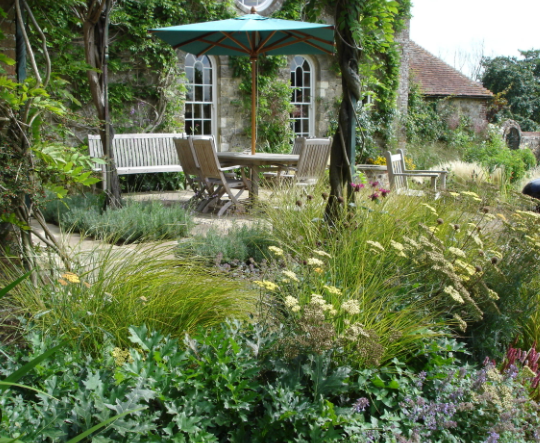
Creating a pollinator-friendly backyard is not only beneficial for the environment but also enhances your garden’s beauty and productivity. By implementing simple design principles, you can attract essential pollinators like bees, butterflies, and hummingbirds, which play a crucial role in our ecosystem. Let’s explore how you can transform your outdoor space into a haven for these vital creatures.
1. Choose the Right Plants
One of the most effective ways to attract pollinators is by selecting a variety of flowering plants. Native plants are particularly suited for your local pollinators, as they have evolved alongside them and provide the right nutrients. Consider incorporating perennials like coneflowers, black-eyed Susans, and milkweed, which are all particularly attractive to butterflies and bees.
Mix bloom times to ensure a continuous food source throughout the growing season. Early bloomers such as crocus and daffodils will support pollinators emerging in spring, while late bloomers like asters and sedums will cater to those foraging in autumn. A diverse plant palette will enhance visitor diversity, ensuring your backyard supports a thriving ecosystem.
-
- Research native plants suitable for your local climate.
-
- Include a mix of annuals, perennials, and shrubs.
-
- Group plants in clusters to create “pollinator hotspots.”
-
- Avoid hybrid plants that are often less appealing to pollinators.
2. Create Diverse Habitats
While flowers are essential, creating diverse habitats is equally important for attracting and sustaining pollinators. This means incorporating various features such as water sources, nesting areas, and shelter. A simple bird bath can provide hydration, while a small pile of rocks or logs can serve as potential nesting sites for solitary bees.
Additionally, consider leaving some areas of your yard a bit wild. Pollinators appreciate undisturbed patches of soil and natural debris for nesting and resting. Such spaces invite not just pollinators but also beneficial insects that can help control harmful pests, reducing the need for chemical interventions in your garden.
-
- Add a small water feature or bird bath for hydration.
-
- Create nesting opportunities with mud and bare soil areas.
-
- Leave some sections of your yard natural and wild.
-
- Incorporate mulch and logs to encourage biodiversity.
3. Minimize Chemical Use
Using chemicals in your garden can be harmful not only to pollinators but to the overall ecosystem as well. Pesticides and herbicides can have toxic effects on bees and butterflies, deterring them from visiting your plants. If pest problems arise, consider organic solutions such as neem oil or insecticidal soap, which minimize harm to beneficial insects.
Another effective method is to practice integrated pest management (IPM), which combines different strategies to control pests while limiting chemical use. Encourage natural predators like ladybugs and lacewings, and promote healthy soil and plant conditions to reduce pest problems organically. This approach not only protects pollinators but also makes your garden more sustainable.
-
- Avoid using pesticides, especially during blooming seasons.
-
- Opt for organic pest control methods when necessary.
-
- Encourage natural predators in your garden.
-
- Practice crop rotation and companion planting to enhance resilience.
4. Educate Yourself and Engage the Community
To make a meaningful impact on local pollinator populations, educate yourself about the specific pollinators in your area and their needs. Consider attending workshops or joining local gardening clubs focused on sustainable practices. By sharing knowledge and experiences, you not only learn but also foster a community dedicated to protecting pollinators.
Engagement can also extend to educating neighbors and friends about creating pollinator-friendly environments. Organizing community planting days or sharing resources online can inspire others to make small changes in their landscapes, amplifying the benefits for pollinators in your area. Together, we can cultivate a network of pollinator sanctuaries that boost biodiversity in our neighborhoods.
-
- Participate in local workshops or courses related to sustainable gardening.
-
- Share your successes and challenges with others online.
-
- Organize neighborhood pollinator planting events.
-
- Advocate for local policies that support pollinator habitats.
Creating a pollinator-friendly backyard is a beautiful way to contribute to environmental health and biodiversity. By thoughtfully selecting plants, diversifying habitats, minimizing chemical use, and engaging with your community, you can play a crucial role in supporting these important creatures. Start making small changes today to invite pollinators into your garden, and enjoy the vibrant ecosystem that follows!