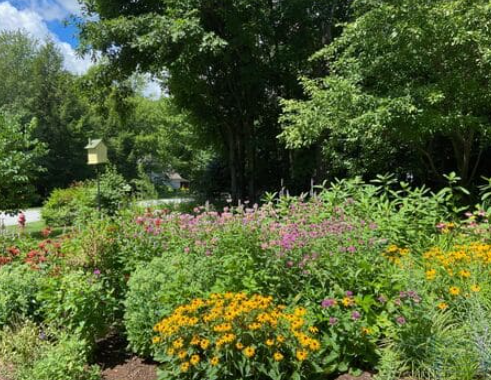
Creating a pollinator garden filled with native flowers is a fantastic way to support local ecosystems while adding beauty to your outdoor space. Not only does this garden benefit pollinators like bees, butterflies, and hummingbirds, but it also requires less maintenance than traditional gardens. In this blog post, we’ll explore how to establish a thriving pollinator garden that attracts these essential creatures.
1. Choosing the Right Native Flowers
When selecting flowers for your pollinator garden, it’s crucial to focus on native species. These plants are naturally adapted to your local climate and soil conditions, making them more resilient and easier to care for. Additionally, native flowers provide food and habitat for local pollinators, ensuring that they thrive in your garden. For example, if you live in the Midwest, consider planting coneflower, milkweed, and black-eyed Susan; each of these plants is known for attracting a variety of pollinators.
To choose the right flowers, observe your local environment and see which plants are naturally abundant. You might also consult with local gardening clubs or extension services that specialize in native flora. Some excellent resources include regional native plant societies or online databases. Be sure to pick flowers that bloom at different times throughout the seasons to provide a continuous source of nectar and pollen.
-
- Research local native flower species before planting.
-
- Consider bloom time to ensure your garden is active throughout the seasons.
-
- Look for plants that provide both nectar and pollen.
-
- Incorporate a mix of flowering shapes and sizes to attract various pollinators.
2. Designing Your Pollinator Garden
Designing your garden is just as important as choosing the right flowers. Create distinct layers by incorporating various plant heights and structures. Place taller plants at the back and shorter ones at the front to allow easy access for pollinators. Additionally, clusters of the same species are more effective in attracting insects than single, scattered plants. A design that mimics natural landscapes often works best.
Consider adding elements like water sources and sun traps. A small birdbath or shallow dish filled with water can be a wonderful asset for thirsty pollinators. If possible, include some rocks or logs for insects to land on, providing them a safe resting place. Lastly, avoid applying pesticides, as these can harm beneficial pollinators.
-
- Create layers by placing tall plants in the back and shorter ones in the front.
-
- Cluster flowers of the same species together for maximum effect.
-
- Include water sources like bird baths to attract pollinators.
-
- Incorporate natural elements like rocks or logs for resting spots.
-
- Always choose organic gardening practices to protect pollinators.
3. Maintenance and Seasonal Care
Once your pollinator garden is established, you’ll want to keep it thriving through seasonal maintenance. During the growing season, regular watering is crucial, especially if rainfall is sparse. Aim to water in the early morning to minimize evaporation and fungal diseases. Mulching around the base of plants can help retain moisture while suppressing weeds.
As the seasons change, adjust your care routine accordingly. In spring, consider trimming back any dead plant material to make way for new growth. By late summer, allow some plants to go to seed, as this provides natural food sources for pollinators during the fall. Autumn is a good time to reassess your plant choices and make adjustments for the following year, ensuring your garden remains a vibrant habitat.
-
- Water deeply during dry spells, preferably in the early morning.
-
- Mulch around plants to retain moisture and reduce weeds.
-
- Trim dead material in spring for new growth.
-
- Allow some plants to go to seed in late summer for wildlife.
-
- Reassess your garden layout and plant types each autumn.
4. Engaging with Your Local Community
Engaging with your local community can amplify the impact of your pollinator garden. Share your knowledge about native flowers and pollinator conservation with friends, neighbors, and gardening clubs. Hosting a workshop or an open garden day allows others to learn about the importance of pollinators and how to create similar gardens in their own homes.
You can also collaborate with local schools or community organizations to create educational programs focused on pollinator protection. These initiatives not only foster community spirit but can also lead to larger projects such as community gardens or pollinator corridors, which further enhance habitat connectivity for pollinators.
-
- Host workshops or open garden days for sharing knowledge.
-
- Collaborate with local schools to create educational programs.
-
- Join local environmental or gardening clubs.
-
- Participate in local events focused on pollinator conservation.
In conclusion, establishing a pollinator garden with native flowers is a significant and enjoyable way to support local ecosystems. By carefully choosing plants, designing your layout, and engaging with your community, you contribute positively to the environment. Start planning your garden today and watch it transform into a vibrant sanctuary for pollinators!