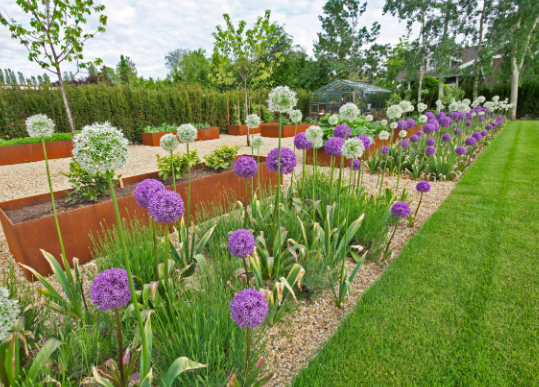
Creating an urban pollinator garden is a fantastic way to support local ecosystems while beautifying your outdoor space. With proper planning and understanding of your environment, you can attract bees, butterflies, and other beneficial insects. Here are some engaging ideas to help you get started.
1. Choose the Right Plants
Selecting plants that attract pollinators is crucial for the success of your urban garden. Native plants are usually the best option as they have evolved alongside local pollinators, creating a mutually beneficial relationship. For example, coneflowers, butterfly bush, and milkweed are just a few native plants that provide nectar and shelter for butterflies and bees.
It’s also important to consider planting in layers and choosing a variety of bloom times to ensure a consistent food source throughout the growing season. This means planting early bloomers like crocus and late summer flowers like asters. Incorporating a diverse range of flowers not only attracts a wider variety of pollinators but also creates a visually appealing garden.
-
- Research local native plants and their growing conditions.
-
- Incorporate plants with varying bloom times.
-
- Avoid hybrid varieties as they often lack the nectar that pollinators seek.
-
- Consider installing a mix of perennials and annuals.
2. Create Inviting Habitats
Besides flowers, your urban pollinator garden should include habitats that provide shelter and nesting options for pollinators. This can be as simple as leaving patches of bare soil for ground-nesting bees or adding birdhouses and insect hotels to offer refuge for solitary bees. In turn, these shelters will encourage pollinator populations to thrive.
Water features, even small ones like birdbaths, also play a role in attracting pollinators. Ensure that you provide fresh water daily and include some stones or pebbles for landing spots. Additionally, consider planting dense shrubs that can offer protection from predators and unpredictable weather.
-
- Add birdhouses or insect hotels to your garden.
-
- Leave some areas of bare soil for ground-nesting species.
-
- Install a small water feature or birdbath.
-
- Incorporate dense plants for shelter.
3. Maintain a Chemical-Free Environment
One of the most significant threats to pollinators is the use of pesticides and herbicides. To create a thriving pollinator garden, it is imperative to cultivate it as naturally as possible. This means choosing organic gardening practices and being mindful of the products you use, even if they are labeled as ‘natural.’
Instead of chemical treatments, consider using integrated pest management (IPM) techniques. For example, introduce beneficial insects like ladybugs to combat aphids, or use diatomaceous earth to deter harmful pests. Keeping your garden clean and removing diseased or infested plants can also minimize pest problems without harming beneficial insects.
-
- Eliminate the use of synthetic pesticides and herbicides.
-
- Practice integrated pest management (IPM) techniques.
-
- Regularly inspect for pests and diseases.
-
- Encourage biodiversity by planting a variety of plants.
4. Go Vertical with Containers
Limited space shouldn’t deter you from starting a pollinator garden. Vertical gardening and container gardening are excellent options for urban areas. Using vertical planters, trellises, and hanging baskets can maximize space while still providing essential plants for pollinators. Herbs like lavender, mint, and rosemary can thrive in containers and are inviting to bees.
Planting in containers also allows for flexibility. You can move them around to follow the sun or to create seasonal displays. When selecting containers, ensure they are deep enough for root growth and have drainage holes. You can even create a tiered garden on a balcony or patio that showcases diverse pollinator-friendly plants.
-
- Use vertical planters or trellises to save space.
-
- Choose deep containers with proper drainage for potted plants.
-
- Mix herbs and flowers in containers to attract different pollinators.
-
- Consider using native species for container gardening.
5. Educate and Engage Your Community
Creating an urban pollinator garden isn’t just about individual efforts; it’s an opportunity to involve and educate your community. Host workshops or gardening clubs to teach others about the importance of pollinators and how they can create their own gardens. Sharing resources and experiences can build a network of pollinator-friendly spaces within your neighborhood.
Moreover, utilize social media to showcase your progress and encourage others to participate. You can even partner with local schools or community organizations to inspire younger generations to understand and appreciate the role of pollinators in our ecosystems. Together, you can make significant strides toward supporting urban wildlife.
-
- Organize community workshops on pollinator gardening.
-
- Share your garden journey on social media.
-
- Collaborate with schools or local organizations.
-
- Encourage neighbors to plant pollinator-friendly gardens.
In conclusion, urban pollinator gardens are not only rewarding but vital for the sustainability of local ecosystems. By choosing the right plants, creating habitats, maintaining a chemical-free environment, utilizing containers, and engaging with your community, you can make a significant impact. Start your pollinator garden today and enjoy the richness it brings to your urban life!