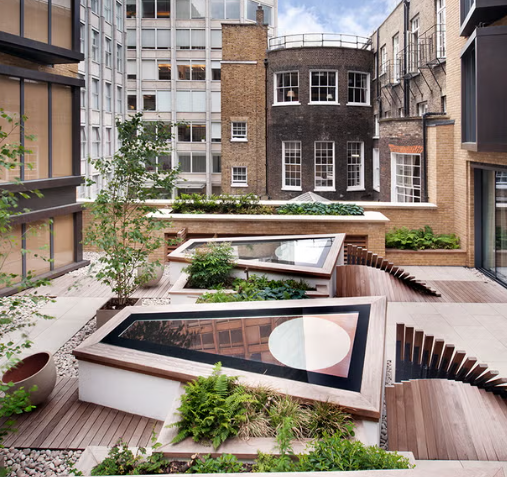
Rooftop Garden Design Ideas for Beautiful and Functional Outdoor Spaces
A rooftop can become much more than an unused architectural surface. With thoughtful planning, it can be transformed into a comfortable outdoor retreat filled with plants, seating, shade, and decorative features. Whether the space belongs to a private home, apartment building, restaurant, or office, a well-designed rooftop garden can create an appealing connection between architecture and nature.
The best Rooftop Garden Design Ideas balance appearance with practical considerations such as weight, wind, sunlight, drainage, maintenance, and privacy. Instead of simply adding as many plants as possible, successful rooftop gardens organize the space into useful zones and select materials that can perform well in exposed conditions.
Start With a Clear Rooftop Garden Layout
Before choosing plants or furniture, it is important to decide how the rooftop will be used.
Some rooftop gardens are designed mainly for relaxation, while others include dining areas, vegetable beds, outdoor kitchens, or small entertainment spaces. Dividing the roof into several functional zones can make even a relatively small area feel organized.
A simple layout might include a seating area near one side, planters around the perimeter, and an open walkway through the center. Larger rooftops can include separate dining, lounging, and planting zones.
Keep circulation in mind so people can move comfortably between different areas without navigating around large pots or furniture.
Use Large Planters to Define the Space
Containers are among the most important elements in rooftop garden design because traditional in-ground planting is rarely possible.
Large planters can be used along walls, railings, and corners to establish structure. They can also work as visual dividers between seating and dining spaces.
Rectangular planters are useful for creating clean boundaries, while round or irregular containers can soften a more formal layout.
Choose planters that are durable enough for outdoor exposure and suitable for the scale of the plants they will contain. Lightweight containers can be particularly practical on rooftops, although the structural capacity of the roof should always be considered before adding heavy soil, trees, or large decorative features.
Choose Plants That Can Handle Rooftop Conditions
Plant selection is especially important because rooftops are often more exposed than ground-level gardens.
Wind, strong sunlight, temperature changes, and limited soil depth can make growing conditions challenging.
Drought-tolerant perennials, ornamental grasses, compact shrubs, succulents, and hardy herbs are often suitable choices for sunny rooftops. In protected locations, larger shrubs and small trees may also be possible.
Plants such as lavender, sedum, thyme, rosemary, ornamental grasses, and certain evergreen shrubs can work well depending on the local climate.
Rather than choosing plants only for appearance, consider mature size, water requirements, root systems, and exposure tolerance.
Create Privacy With Green Screening
Privacy is one of the most common concerns in rooftop gardens, particularly in dense urban neighborhoods.
Tall planters filled with evergreen shrubs, ornamental grasses, bamboo alternatives, or climbing plants can help screen surrounding buildings without completely enclosing the space.
Trellises and pergolas can support vines while also adding vertical structure. Slatted wooden or metal privacy screens can be combined with planting for a softer appearance.
Avoid making every boundary completely solid. Partial screening can provide privacy while still allowing airflow and maintaining views across the skyline.
Add Comfortable Rooftop Seating
Furniture turns a rooftop garden from a decorative space into an area people can actually use.
For small rooftops, compact benches, folding chairs, and built-in seating can conserve floor space. Larger gardens may include outdoor sofas, lounge chairs, and dining sets.
Built-in benches can be especially effective when combined with perimeter planters. They create seating without occupying the center of the roof.
Choose outdoor furniture that can tolerate sun, moisture, and wind. Heavy enough furniture is often preferable in exposed settings, but total rooftop loading still needs to be considered.
Soft cushions and outdoor textiles can make the area more comfortable and introduce color without changing the permanent design.
Incorporate Shade for Hot Weather
A rooftop garden exposed to direct sun can become uncomfortable during warm weather.
Shade structures are therefore an important part of many Rooftop Garden Design Ideas.
Pergolas can provide architectural structure while supporting climbing plants or retractable coverings. Large umbrellas offer a more flexible solution and can be moved as needed.
Shade sails are another option for contemporary rooftops, especially where permanent structures are not suitable.
Planting small trees in large containers can also create limited natural shade, although their weight, roots, and wind stability need careful consideration.
Use Vertical Space in Small Rooftop Gardens
When floor area is limited, vertical gardening can dramatically increase planting space.
Wall-mounted planters, trellises, narrow shelving, and climbing plants allow greenery to grow upward instead of spreading across the roof.
Vertical gardens can also hide unattractive walls or mechanical equipment.
A trellis planted with vines can serve several functions at once by providing greenery, privacy, and visual height. Tiered planters are another practical option for herbs, flowers, and small vegetables.
Using vertical space is one of the most effective ways to make a compact rooftop feel lush without reducing the usable seating area.
Add Lighting for Evening Use
Rooftop gardens can become particularly attractive after sunset when lighting is carefully planned.
Instead of relying on one bright overhead light, use several softer sources.
Low-level path lights can define circulation areas, while wall-mounted fixtures can illuminate seating zones. Small lights placed near planters can highlight foliage and architectural features.
String lights under a pergola may suit more casual gardens, while concealed lighting can create a cleaner contemporary appearance.
Lighting should improve visibility without overpowering the atmosphere or creating unnecessary glare for nearby buildings.
Consider Rooftop Flooring Carefully
Flooring strongly influences both appearance and comfort.
Wood or composite decking can create a warm, residential atmosphere, while stone or porcelain pavers suit more contemporary gardens.
Artificial grass is sometimes used to introduce the appearance of lawn without requiring deep soil, although drainage and surface temperature should be considered.
Outdoor rugs can define seating areas without permanently altering the roof surface.
Any flooring system should allow water to drain properly and should not block existing rooftop drainage points.
Plan Irrigation and Drainage
Water management is an essential part of rooftop garden design.
Container plants can dry out quickly because they are exposed to sun and wind. Drip irrigation systems can provide consistent moisture while using less water than frequent manual watering.
Self-watering planters can also reduce maintenance in smaller gardens.
At the same time, excess water needs somewhere to go. Containers should have adequate drainage, and existing roof drains should remain accessible and unobstructed.
Poor drainage can damage plants and create standing water, while excessive watering adds unnecessary weight to the rooftop structure.
Add Decorative Garden Features
Decorative elements can help establish the personality of a rooftop garden.
Outdoor sculptures, ceramic pots, water features, lanterns, decorative screens, and garden ornaments can all provide focal points.
In small spaces, one strong feature is often more effective than many small accessories.
A sculptural planter, modern fountain, or large outdoor artwork can visually anchor the garden. Natural materials such as stone, timber, and terracotta work particularly well when combined with planting.
Decorations should be securely installed in windy rooftop environments.
Create a Rooftop Dining Area
For homeowners who enjoy entertaining, a dining area can become the central feature of a rooftop garden.
Place the dining table in a sheltered or partially shaded location and surround it with planting to create a more intimate atmosphere.
A nearby counter or compact outdoor kitchen can make the space more practical for meals and gatherings.
In smaller spaces, a narrow table or built-in bench can provide dining functionality without taking up too much room.
Herbs such as rosemary, basil, thyme, and mint can also be grown nearby, combining ornamental planting with practical use.
Design for Low Maintenance
A rooftop garden should remain manageable after the initial installation.
Choosing plants suited to the local climate can significantly reduce watering and maintenance requirements. Slow-growing shrubs, hardy perennials, and ornamental grasses generally require less attention than delicate seasonal planting.
Automatic irrigation, mulch, and appropriately sized containers can also help reduce routine care.
Avoid overcrowding plants when the garden is first installed. Young plants may look small initially, but leaving adequate space allows them to develop naturally over time.
Make a Small Rooftop Feel Larger
Small rooftop gardens benefit from simple layouts and restrained material choices.
Using the same flooring throughout the space can create visual continuity. Repeating similar planters or plant varieties can also make the design feel more organized.
Place taller plants around the edges while keeping the central area relatively open.
Mirrors are sometimes used outdoors to create a sense of depth, but they should be positioned carefully to avoid glare and potential hazards to birds.
Furniture with slender profiles can also help maintain an open appearance.
Combine Beauty With Practical Design
The most successful Rooftop Garden Design Ideas are not based only on decoration. They respond to the special environmental and structural conditions found above ground level.
A well-planned rooftop garden considers sunlight, wind, weight, drainage, plant selection, privacy, circulation, and maintenance before decorative details are added.
Large planters can establish structure, vertical planting can maximize limited space, shade can improve comfort, and carefully positioned furniture can create inviting outdoor rooms.
Whether the goal is a modern urban terrace, a compact vegetable garden, or a relaxing green retreat, thoughtful planning can transform an ordinary rooftop into a practical and attractive outdoor space.