How to Design a Cottage Garden for Pollinators
Creating a cottage garden filled with vibrant flowers and lush greenery is not just visually appealing; it also plays a crucial role in supporting local pollinators. Bees, butterflies, and other pollinators are essential for maintaining the health of the ecosystem, and designing a garden with these important creatures in mind can make a significant difference. Here’s how to create a welcoming sanctuary for pollinators in your own backyard.
- Choosing the Right Plants
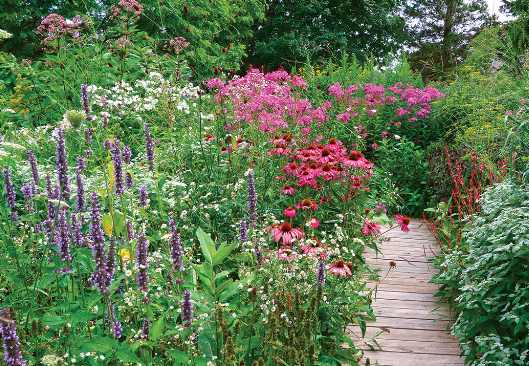
Selecting the right plants is the first step in designing a pollinator-friendly cottage garden. Opt for native flowers, as they are often more attractive to local pollinators and require less maintenance. Consider varieties like coneflowers, lavender, and black-eyed Susans, which bloom at different times throughout the growing season. This ensures that there’s always a food source available, helping to support pollinator populations year-round. Additionally, avoid heavily hybridized plants, as they may lack the nectar or pollen that pollinators need.
- Creating Variety and Structure
A diverse planting scheme not only adds beauty to your garden but also attracts a wider range of pollinators. Incorporate a mix of flowers, shrubs, and grasses to create layers in your garden. Tall plants like sunflowers can provide vertical interest and shelter for smaller species. Furthermore, planting in clusters rather than single specimens can make it easier for pollinators to find food. Think about including a variety of shapes, sizes, and colors to make the space dynamic and inviting.
- Providing Shelter and Water
In addition to food sources, pollinators need safe havens and hydration to thrive. Incorporate natural elements such as stone walls, logs, or even bee hotels to offer nesting sites for solitary bees and other beneficial insects. Plant densely to create microhabitats where pollinators can hide from predators and harsh weather conditions. It’s also wise to include a shallow water source, such as a birdbath with stones for resting, which can help keep your pollinators hydrated during hot days.
In conclusion, designing a cottage garden that is friendly to pollinators is not only rewarding but also beneficial to the environment. With thoughtful plant choices, structural diversity, and provision for shelter and water, you can create a vibrant space that supports these vital creatures. Start your journey toward becoming a pollinator ally today, and witness the beauty and vitality they bring to your garden!