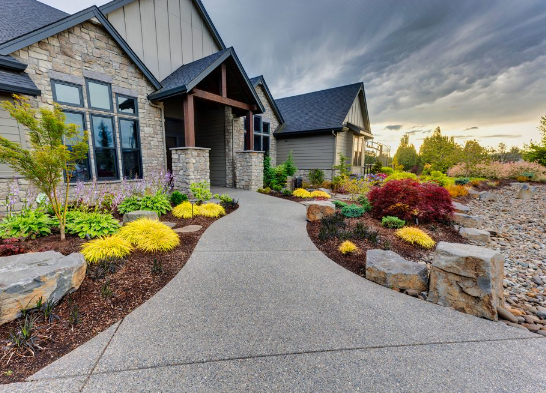
Creating a small bee-friendly garden is an enjoyable way to contribute to the environment while beautifying your own outdoor space. Bees play a crucial role in pollination, which is essential for many plants and crops. In this blog post, we’ll explore practical ideas and tips that will make your garden a buzzing haven for our pollinating friends.
1. Choose Native Plants
One of the best ways to attract bees is by planting native species that are well-adapted to your local environment. Native plants often require less maintenance, are more resilient to local pests, and provide the exact nectar and pollen that local bees prefer. For instance, if you live in North America, consider planting purple coneflower, black-eyed Susan, or even wildflowers, all of which are incredibly appealing to various bee species.
When selecting plants, try to incorporate blooms that flower at different times throughout the growing season. This strategy ensures a continuous source of food for bees, helping them thrive from early spring through late fall. You might want to cluster plants of the same type to provide a large, rich source of nectar that bees can easily access.
-
- Research native plants in your local area.
-
- Choose a variety of flowering plants that bloom at different times.
-
- Group plants in clusters to maximize their attractiveness.
-
- Consult local gardening clubs or extension services for advice.
2. Create a Pollinator-Friendly Habitat
Aside from selecting the right plants, creating a hospitable environment is equally important. Bees thrive in gardens that offer shelter and nesting spaces. Simple additions like leaving patches of bare soil, having small piles of rocks, or incorporating untreated wood can provide nesting opportunities for native bee species. These habitats can significantly encourage bees to visit and stay in your garden.
Additionally, consider adding a bee hotel, which is a structure designed to host solitary bee species. You can purchase or even DIY a bee hotel using bamboo sticks, hollow reeds, or stacked wooden blocks with drilled holes. Place your bee hotel in sunny areas sheltered from wind, and watch as bees take up residence!
-
- Leave bare soil patches for ground-nesting bees.
-
- Install a bee hotel in a sunny, sheltered area.
-
- Add rocks or logs for additional shelter and habitat.
-
- Maintain a little wildness in your garden; don’t worry about over-pruning!
3. Provide Fresh Water Sources
Like all living creatures, bees need water to survive. Adding a water source like a shallow birdbath or a small pond will not only improve the aesthetics of your garden but also help support local bee populations. Ensure that the water is shallow enough so that bees can easily land on the edge to drink without the risk of drowning. You can even add stones or twigs for bees to perch on.
It’s essential to maintain the cleanliness of the water source. Change the water regularly to deter algae buildup and mosquito breeding. This small act of kindness will ensure your garden remains a safe and healthy destination for thirsty bees, especially during hot summer days.
-
- Install a shallow birdbath or a small pond.
-
- Add stones or twigs for bees to land on.
-
- Change the water regularly to keep it clean.
-
- Avoid using chlorinated water; use rainwater if possible.
4. Minimize Pesticide Use
Pesticides can be harmful to bees and other beneficial insects. If you must use them, consider opting for organic or natural alternatives that are less likely to harm pollinators. Additionally, try to apply pest management products in the late evening when bees are less active, or selectively treat only the plants that need assistance, rather than entire areas.
Another effective strategy is to rely on companion planting. By introducing plants that repel pests naturally, you can create a more balanced ecosystem within your garden. Marigolds, for example, are effective at deterring certain insects while being attractive to bees. This approach will help maintain bee health while ensuring your plants remain strong and vibrant.
-
- Reduce overall pesticide use; consider organic options.
-
- Apply treatments in the evening when bees are less active.
-
- Utilize companion planting for natural pest control.
-
- Monitor your plants regularly for signs of pests and diseases.
5. Educate and Involve Your Community
Creating a bee-friendly garden isn’t just a solo endeavor. By involving your community and spreading awareness, you can help create a larger impact for bee populations in your area. Organizing workshops, sharing resources online, or collaborating on local garden projects can enhance understanding and appreciation for the importance of bees.
Consider initiating a community garden dedicated to pollinator support. This collaborative effort may bring together neighbors and like-minded individuals, promoting education about the needs of bees while enhancing local biodiversity. Working together can effectively raise awareness and encourage others to take similar initiatives in their gardens.
-
- Host local workshops to share bee-friendly gardening techniques.
-
- Form community gardens focused on bee conservation.
-
- Utilize social media to spread awareness and resources.
-
- Collaborate with local environmental organizations to broaden your reach.
In conclusion, creating a small bee-friendly garden is a rewarding project that benefits both you and your local ecosystem. By incorporating native plants, providing habitats, ensuring water sources, minimizing pesticides, and involving your community, you can create a thriving environment for bees. Start implementing these ideas today, and watch as your garden becomes a buzzing sanctuary for our essential pollinators!