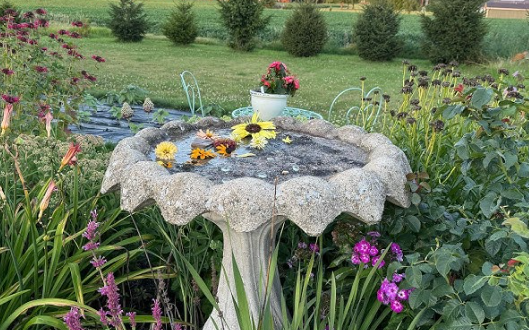
Adding a butterfly bath to your garden creates a beautiful and inviting atmosphere while offering a vital resource for these delicate creatures. With the right design and consideration, you can turn your garden into a haven not only for butterflies but also for other beneficial insects. In this article, we will explore how to create the perfect butterfly bath and the many advantages it brings.
1. Understanding the Needs of Butterflies
Butterflies require specific conditions for drinking and bathing. Unlike other animals, butterflies do not drink water like humans do; instead, they obtain moisture through the soil or shallow water sources. Creating a butterfly bath involves providing a place for them to land safely while they drink, and incorporating stones or sand can enhance the bathing experience. Consider the species of butterflies in your area and their particular needs to ensure your butterfly bath meets their requirements.
Another critical aspect is the selection of materials. A shallow basin filled with clean water is ideal, but you can also use rocks to create a diverse environment. Some butterflies are drawn to particular scents or colors, so feel free to add natural elements like colorful stones or aromatic herbs nearby that attract them. This thoughtfulness not only caters to butterflies’ unique habits but also enriches your garden’s overall aesthetic.
-
- Choose shallow containers: 2-3 inches of water is ideal.
-
- Incorporate pebbles or stones to give butterflies a place to rest.
-
- Use natural materials for aesthetics and butterfly attraction.
-
- Keep the water clean to promote safety for the butterflies.
2. Design and Placement of Your Butterfly Bath
The placement of your butterfly bath plays a crucial role in its success. Butterflies are attracted to sunny areas, so consider placing your bath in a spot that receives at least six hours of sunlight each day. Additionally, it should be sheltered from strong winds, which can disturb these delicate creatures. A position among flowering plants will also attract butterflies, increasing the likelihood they will notice and use your bath.
In terms of design, simplicity is key. Choose a flat, shallow bowl or a specially designed butterfly feeder that can hold water. Adding decorative stones or colorful tiles around the bath not only enhances its visual appeal but also helps in preventing evaporation, keeping the bath accessible for butterflies during warmer months. Regularly changing the water also helps in maintaining a desirable environment.
-
- Choose a sunny, sheltered location for maximum butterfly attraction.
-
- Use flat bowls for easier access.
-
- Consider decorations to enhance aesthetics.
-
- Change the water regularly to prevent stagnation.
3. Attracting Butterflies with Companion Plants
Companion plants can significantly increase the likelihood of butterflies visiting your garden and using your butterfly bath. Flowers like milkweed, coneflowers, and marigolds not only provide nectar but also create an enticing environment for butterflies. Selecting native plant species can be particularly effective, as local butterflies have evolved with these plants and often depend on them for food and habitat.
In addition to nectar-producing plants, consider planting host plants where butterflies will lay their eggs. For instance, if you want to attract monarch butterflies, planting milkweed is essential. This mutually beneficial relationship encourages butterflies to return to your garden continuously. This creates a vibrant ecosystem while ensuring your butterfly bath is frequently visited.
-
- Include nectar-rich native plants in your garden.
-
- Plant host plants for butterflies to encourage reproduction.
-
- Consider seasonal blooms for year-round appeal.
-
- Group plants in clusters to create visual interest.
4. Maintenance and Safety for Butterflies
Maintaining your butterfly bath and its surrounding area is essential for the welfare of butterflies. Regularly check for algae growth or debris and clean the bath to ensure it remains a safe drinking source. Rinse out the container with clean water to avoid introducing harmful chemicals that could deter butterflies or other beneficial insects.
Safety measures are also vital to ensure that your garden maintains an organic, chemical-free environment. Avoid using pesticides or herbicides, as these can be toxic to butterflies and other insects. By creating a naturally balanced ecosystem, you’ll encourage a thriving butterfly population in your garden.
-
- Regularly clean the butterfly bath and surrounding area.
-
- Monitor the water level and refill as needed.
-
- Do not use chemicals that can harm butterflies.
-
- Observe butterflies and document their visits to track success.
By adding a butterfly bath to your garden, you can create a welcoming environment for these beautiful creatures while enriching your outdoor space. Start planning your butterfly bath today, and watch your garden transform into a vibrant ecosystem full of life. Happy gardening!