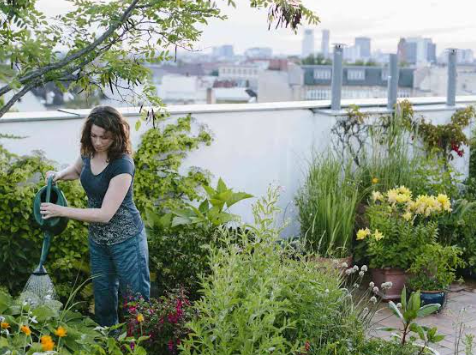
A small rooftop can become a practical and attractive outdoor retreat with the right planning. Even when space is limited, thoughtful use of furniture, planters, lighting, privacy screens, and vertical planting can create a garden that feels comfortable rather than crowded.
The best Small Rooftop Garden Ideas focus on efficiency. Every feature should serve a purpose, and many elements can perform more than one function. A bench can provide seating and storage, tall planters can add greenery and privacy, and a pergola can define the space while creating shade.
With a simple layout and carefully selected materials, even a compact rooftop can feel like an extension of the home.
Start With a Simple Layout
Before buying plants or furniture, decide how you want to use the rooftop.
Some people may want a quiet reading area, while others prefer a dining space, a small vegetable garden, or a place to entertain guests.
In a small rooftop garden, too many separate zones can make the space feel fragmented. It is usually better to focus on one or two main functions.
For example, one side can include a compact seating area while the perimeter is lined with planters.
Keep the center relatively open so people can move around easily.
A clear layout helps the rooftop feel larger and more organized.
Use Vertical Space
Vertical gardening is one of the most useful strategies for a small rooftop.
Instead of placing every plant on the floor, use walls, trellises, shelves, and vertical planters.
Climbing plants can grow upward along screens or pergolas, while wall-mounted containers can hold herbs, flowers, or compact foliage plants.
A vertical garden can also cover an unattractive wall or provide privacy from nearby buildings.
Using height creates more planting space without reducing the area available for furniture and circulation.
Choose Compact Furniture
Furniture should match the scale of the rooftop.
Large outdoor sofas and oversized dining tables may overwhelm a small space. Instead, choose compact chairs, narrow benches, folding tables, or modular furniture.
A built-in bench along one wall can provide seating while preserving the center of the rooftop.
Furniture with slim frames often feels lighter visually and helps the area appear more open.
Foldable furniture can be useful when the rooftop needs to serve different purposes. A table can be opened for dining and stored when more floor space is needed.
Use Planters to Define the Space
Planters are essential in most rooftop gardens because traditional in-ground planting is usually not possible.
Rectangular planters can be placed along railings or walls to create structure.
Tall planters can help define a seating area without building permanent partitions.
For a small rooftop, repeating the same planter style can make the garden look more organized.
Avoid using too many small containers, which can create visual clutter and require more maintenance.
A few medium or large planters are often more effective than dozens of small pots.
Select Plants Carefully
Plant selection is especially important on rooftops because conditions can be more exposed than at ground level.
Wind, intense sunlight, heat, and limited soil depth can affect plant growth.
Choose plants suited to the local climate and rooftop conditions.
Drought-tolerant plants, ornamental grasses, herbs, succulents, and compact shrubs are often practical options.
Plants such as lavender, rosemary, thyme, sedum, and certain grasses can work well in sunny locations.
If the rooftop receives shade for much of the day, select plants that tolerate lower light.
Using a limited number of plant varieties can also create a cleaner and more cohesive look.
Create Privacy With Tall Planting
Privacy is often a concern in urban rooftop gardens.
Tall planters filled with grasses, shrubs, or climbing plants can help screen neighboring buildings.
Trellises can support vines while taking up relatively little floor space.
Slatted wood or metal panels can provide additional privacy and also serve as a decorative feature.
The goal is not necessarily to block every view. Partial screening can make the rooftop feel more private while still allowing air and light to move through the space.
Add Shade Without Taking Up Too Much Room
Small rooftops can become very hot during summer.
Shade can improve comfort, but large structures may use too much space.
A compact umbrella is often one of the simplest solutions.
Retractable awnings or shade sails can also work well because they provide overhead coverage without filling the floor area.
If the structure allows it, a narrow pergola can define a seating zone and support climbing plants.
Shade should be positioned where it is most useful, especially above seating or dining areas.
Use Built-In Seating With Storage
Multifunctional furniture is particularly valuable in small rooftop gardens.
A built-in bench can provide seating while also hiding storage beneath the seat.
This space can be used for cushions, gardening tools, watering equipment, or small outdoor accessories.
Storage helps keep the rooftop organized and prevents loose items from making the area feel cluttered.
A bench positioned along the edge of the rooftop also leaves the center open for movement.
Add a Small Dining Area
A rooftop does not need to be large to support outdoor dining.
A narrow bistro table with two chairs can fit into a very compact space.
For slightly larger rooftops, a small rectangular table placed against a wall can provide seating for several people.
Built-in benches can replace individual chairs and save space.
Keep the dining area close to the entrance when possible, especially if food and drinks will be carried from an indoor kitchen.
Adding herbs nearby can also make the space feel more connected to cooking and dining.
Use Lighting to Make the Space Feel Larger
Good lighting can make a small rooftop feel more inviting after sunset.
Avoid using one harsh overhead light.
Instead, combine several softer light sources.
Wall-mounted fixtures can save floor space, while small lights integrated into planters or benches can create a clean appearance.
String lights can work well beneath a pergola or along a railing.
Low-level lighting can also define pathways and edges.
Keeping the lighting warm and subtle helps create a comfortable atmosphere without making the rooftop feel overly bright.
Keep the Color Palette Simple
A limited color palette can make a small rooftop feel more spacious.
Choose two or three main colors and repeat them throughout the garden.
Neutral furniture, natural wood, gray planters, and green plants create a simple foundation.
Color can then be introduced through cushions, flowers, or small decorative objects.
Too many competing colors can make a compact space look busy.
A restrained palette creates visual continuity and allows the plants to become the main focus.
Add One Strong Focal Point
A small garden often looks better with one main focal point rather than many decorative features.
This could be a sculptural planter, a compact fountain, a feature wall, an outdoor sculpture, or a striking plant.
Position the feature where it can be seen from the main seating area.
One strong visual element helps give the garden character without adding unnecessary clutter.
Grow Herbs and Vegetables
Small rooftop gardens can also be productive.
Herbs such as basil, parsley, rosemary, mint, and thyme can be grown in containers.
Compact vegetables such as tomatoes, peppers, lettuce, and radishes may also work well where sunlight is sufficient.
Vertical planters and tiered shelves can increase growing space.
If edible gardening is the main goal, place containers where they receive appropriate sunlight and remain easy to water.
A small rooftop vegetable garden can combine practical use with attractive planting.
Plan Irrigation and Drainage
Container plants can dry out quickly on rooftops.
A drip irrigation system can make watering easier and more consistent.
Self-watering containers are another practical option for smaller gardens.
Good drainage is equally important.
Planters should allow excess water to escape, and rooftop drains must remain clear.
Water should never be allowed to collect beneath containers or furniture.
Proper drainage protects both the plants and the rooftop surface.
Avoid Overcrowding
One of the most important principles behind Small Rooftop Garden Ideas is restraint.
It can be tempting to fill every corner with furniture, pots, decorations, and plants, but this often makes a small space feel even smaller.
Leave some open floor area.
Choose fewer, larger planters rather than many small ones.
Limit the number of furniture pieces and decorative accessories.
A simple design usually feels more comfortable and easier to maintain.
Make the Most of Every Square Foot
The most effective Small Rooftop Garden Ideas combine greenery, comfort, and practical space planning.
Vertical planting can maximize growing space, compact furniture can preserve circulation, and multifunctional features can reduce clutter.
Large planters can provide privacy, while shade and lighting can make the rooftop more comfortable throughout the day.
The key is to design according to the available space rather than trying to fit the features of a large garden into a small area.
With careful planning, even a modest rooftop can become a relaxing outdoor space for reading, dining, gardening, or simply enjoying fresh air above the city.