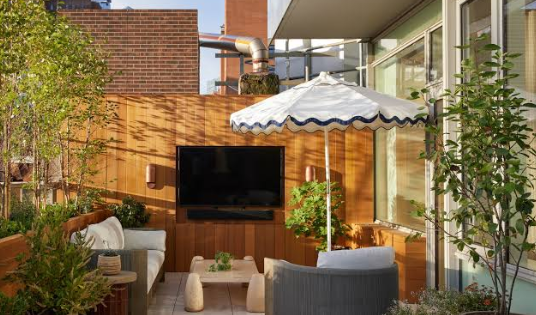
Rooftop Terrace Garden Design: Ideas for a Stylish and Functional Outdoor Space
A rooftop terrace can become one of the most enjoyable areas of a home when it is planned carefully. Instead of leaving the roof as an unused surface, it can be transformed into a green retreat for relaxing, dining, entertaining, or growing plants.
A successful Rooftop Terrace Garden Design combines practical planning with attractive landscaping. Because rooftop spaces are more exposed than ground-level gardens, the design must consider wind, sunlight, drainage, weight, privacy, and maintenance. The goal is to create a space that feels comfortable and natural while still responding to the structural and environmental conditions of the building.
Start With a Clear Terrace Layout
Before selecting plants or furniture, decide how the rooftop terrace will be used.
Some people want a quiet lounge area, while others prefer outdoor dining, a container garden, or a space for entertaining guests.
Divide the terrace into clear functional zones. A larger rooftop might include a seating area, dining table, planting zone, and open walkway. A smaller terrace may need to combine several functions in one area.
Keep circulation simple. People should be able to move between the entrance, seating, planters, and other features without navigating around oversized furniture.
A clear layout helps the space feel more organized and spacious.
Use Planters to Define the Space
Planters are among the most important features in rooftop gardens.
Because traditional in-ground planting is usually not possible, containers create the main structure of the garden.
Large rectangular planters can be placed along walls, railings, or seating areas. They can also act as visual dividers between different zones.
For a clean design, repeat similar planter shapes or materials throughout the terrace.
A few larger containers often work better than many small pots because they create a more organized appearance and are easier to maintain.
Choose planters that are suitable for outdoor exposure and appropriate for the size of the plants they will contain.
Choose Plants for Rooftop Conditions
Plant selection is essential in any Rooftop Terrace Garden Design.
Rooftops are often exposed to stronger wind, more direct sunlight, and greater temperature fluctuations than ground-level gardens.
Choose plants that match these conditions.
Drought-tolerant perennials, ornamental grasses, succulents, herbs, and compact shrubs are often suitable choices for sunny rooftops.
Lavender, rosemary, thyme, sedum, and certain ornamental grasses can work well in dry and exposed locations.
For shaded terraces, choose species that tolerate lower light.
It is also important to consider mature plant size. Avoid selecting trees or shrubs that will quickly outgrow their containers or become difficult to manage.
Add Privacy With Green Screening
Privacy is often an important issue on urban rooftops.
Tall planters can help create screening without requiring solid walls.
Evergreen shrubs, ornamental grasses, bamboo alternatives, or climbing plants can block unwanted views while still allowing airflow.
Trellises are another practical option. They can support vines and also introduce vertical structure.
Wooden or metal screens can be combined with planting to create a softer and more natural boundary.
The goal is to create privacy without making the rooftop feel completely enclosed.
Include Comfortable Seating
Furniture determines how the terrace will actually be used.
Choose seating that matches the size of the space.
For compact rooftops, benches, folding chairs, or small outdoor sofas can save space. Larger terraces may accommodate sectional seating, lounge chairs, and dining furniture.
Built-in benches are especially useful because they can be positioned along walls or planters, leaving the center more open.
Outdoor cushions can add comfort and color, but materials should be suitable for exposure to sun and moisture.
Furniture should also be stable enough for rooftop conditions, especially in windy areas.
Add Shade for Hot Weather
Direct sunlight can make a rooftop terrace uncomfortable during warmer months.
Shade is therefore an important part of the design.
A pergola can provide structure while defining a seating or dining area.
Retractable awnings and umbrellas offer more flexible solutions.
Shade sails can work well in modern rooftop spaces because they provide coverage without taking up floor area.
Climbing plants can also be trained over a pergola to create filtered natural shade.
When planning shade, consider how the sun moves across the terrace during the day.
Use Vertical Space Efficiently
Vertical gardening is particularly useful when floor space is limited.
Wall-mounted planters, trellises, shelving, and climbing plants allow greenery to extend upward rather than outward.
A vertical garden can cover a plain wall, create privacy, or hide mechanical equipment.
Repeated planting often creates a cleaner appearance than using many unrelated species.
Climbing plants can also soften hard architectural surfaces and make the rooftop feel more like a garden.
Using vertical space is one of the easiest ways to add greenery without overcrowding the terrace.
Create an Outdoor Dining Area
A rooftop terrace can be an excellent place for outdoor meals.
Choose a dining table that fits comfortably within the available space.
A narrow rectangular table can work well on compact rooftops, while larger terraces may support a full dining set.
Position the table near the entrance when possible so food and drinks are easier to carry outside.
Shade above the dining area can improve comfort during warm weather.
Planters around the space can create a more intimate atmosphere without completely separating it from the rest of the terrace.
Add Lighting for Evening Use
Lighting can extend the use of a rooftop terrace into the evening.
Instead of relying on one bright overhead fixture, use several softer light sources.
Wall-mounted lights can illuminate seating areas, while low-level path lights can improve safety.
Lighting integrated into planters or benches can create a clean modern look.
String lights can work well under pergolas or along railings in more casual settings.
Avoid excessively bright lighting that creates glare or disturbs nearby homes.
Warm, subtle lighting generally makes the terrace feel more comfortable.
Choose Suitable Flooring
Flooring has a major influence on both appearance and comfort.
Composite decking can create a warm, contemporary look while requiring relatively little maintenance.
Porcelain pavers, stone-look tiles, and concrete surfaces are also common options.
Artificial grass may be used to introduce the appearance of lawn, although drainage and heat buildup should be considered.
Outdoor rugs can help define lounge or dining zones without permanently changing the flooring.
Whatever material is chosen, rooftop drains should remain accessible.
Plan Irrigation Carefully
Container plants can dry out quickly because of rooftop wind and sunlight.
A drip irrigation system can make watering more consistent and reduce maintenance.
Self-watering planters can also be helpful in smaller gardens.
If manual watering is preferred, arrange plants so they are easy to reach.
Group plants with similar water requirements together. This makes irrigation more efficient and prevents some plants from receiving too much or too little water.
Regular watering is especially important during hot and windy periods.
Make Drainage a Priority
Good drainage is essential for rooftop gardens.
Every planter should allow excess water to escape.
At the same time, the terrace itself must direct water toward existing drains.
Avoid placing heavy containers where they block drainage channels.
Standing water can damage plants, create slippery surfaces, and cause maintenance problems.
Drainage should therefore be considered before decorative features are added.
Add Decorative Focal Points
A rooftop garden does not need many decorations to feel complete.
One strong focal point can often create more impact than many small accessories.
This might be an outdoor sculpture, a decorative planter, a compact fountain, a feature wall, or a striking specimen plant.
Place the feature where it can be seen from the main seating area.
Natural materials such as wood, stone, ceramic, and metal can help decorative elements blend with the surrounding garden.
Keep the number of accessories limited so the terrace does not feel cluttered.
Grow Herbs and Vegetables
A rooftop terrace can also be productive.
Herbs such as basil, rosemary, thyme, parsley, and mint grow well in containers when light conditions are suitable.
Compact vegetables such as tomatoes, peppers, lettuce, and radishes can also be grown in raised containers.
Vertical planters can increase growing space.
Place edible plants where they receive adequate sunlight and are easy to water.
A small kitchen garden can make the rooftop both practical and attractive.
Keep the Design Low Maintenance
A rooftop garden should remain manageable over time.
Choose plants that match the local climate and rooftop conditions.
Avoid using too many high-maintenance species that require frequent pruning, watering, or replacement.
Automatic irrigation can reduce routine work.
Mulch can help containers retain moisture.
Durable furniture and weather-resistant materials can also reduce maintenance.
A simple garden with a limited plant palette is often easier to care for than a highly complicated design.
Consider Structural Weight
Weight is one of the most important practical considerations in rooftop landscaping.
Planters, soil, water, furniture, paving, and people all add load to the roof.
Large trees, deep planting beds, stone containers, and water features can be especially heavy.
Before making major changes, the roof’s load-bearing capacity should be evaluated by a qualified professional.
Lightweight soil mixes, fiberglass planters, and carefully selected materials can help reduce overall weight.
Structural safety should always come before decorative planning.
Create a Balanced Rooftop Garden
The best Rooftop Terrace Garden Design combines greenery, comfort, and practical planning.
A clear layout helps organize the space, while planters define different zones. Suitable plants can handle exposed conditions, and privacy screens can make the terrace feel more comfortable.
Shade, seating, lighting, flooring, irrigation, and drainage all contribute to how well the garden functions.
The most successful rooftop terraces do not try to include every possible feature. Instead, they use a limited number of well-planned elements that suit the available space.
With thoughtful design, a rooftop terrace can become a practical outdoor living area that provides greenery, fresh air, and a relaxing escape above the surrounding city.