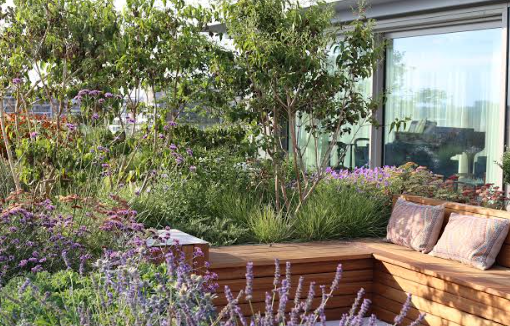
A rooftop can become much more than an unused surface above a building. With thoughtful planning, it can be transformed into a comfortable outdoor retreat for relaxing, entertaining, dining, and growing plants. A successful Modern Rooftop Garden Design combines clean lines, practical zoning, durable materials, and carefully selected plants to create a space that feels both contemporary and natural.
Unlike a traditional ground-level garden, a rooftop garden must respond to special conditions such as wind, sunlight, weight limits, drainage, and limited soil depth. These factors make planning especially important. The goal is to create a visually attractive garden while ensuring that every feature works well in an exposed urban environment.
Start With a Clear Rooftop Layout
A modern rooftop garden should begin with a simple and organized layout.
Instead of filling the entire roof with plants and furniture, divide the space into functional zones. You might create a lounge area, dining space, planting zone, and open walkway.
Keeping circulation clear is essential. People should be able to move comfortably between different areas without stepping around planters or furniture.
In small rooftop gardens, multifunctional features can save space. A built-in bench can provide seating while also offering storage underneath. Large planters can define zones while adding greenery and privacy.
A clean layout is one of the defining features of modern rooftop design.
Use Large Planters for Structure
Large planters can help establish the overall structure of a rooftop garden.
Rectangular planters work particularly well in modern spaces because they create strong lines and can be placed along walls, railings, or seating areas.
Tall planters can also be used as dividers between different zones.
For example, a row of ornamental grasses can separate a dining area from a lounge space without blocking views completely.
Choose containers that are suitable for rooftop conditions. Lightweight fiberglass, metal, or composite planters may be easier to manage than very heavy stone containers.
Always consider the weight of the planter, soil, water, and mature plant before installation.
Choose Plants for Rooftop Conditions
Plant selection is one of the most important parts of Modern Rooftop Garden Design.
Rooftops are often exposed to strong sun, wind, and rapid temperature changes. Plants that perform well at ground level may struggle in these conditions.
Drought-tolerant plants are often a practical choice. Ornamental grasses, lavender, sedum, rosemary, thyme, succulents, and certain hardy shrubs can work well depending on the climate.
For a more structured modern look, choose a limited number of plant varieties and repeat them throughout the design.
Repeated planting creates visual consistency and prevents the garden from feeling too busy.
Small trees can also be used in large containers, but their root systems, weight, wind resistance, and mature size should be carefully considered.
Create Privacy With Green Screens
Urban rooftops often overlook neighboring buildings, making privacy an important concern.
Instead of building solid walls, modern rooftop gardens often use a combination of screens and plants.
Tall grasses, evergreen shrubs, climbing plants, and narrow trees can create natural screening.
Slatted wood panels or metal screens can provide additional privacy while still allowing airflow.
Trellises are another useful option. They can support climbing plants and introduce vertical greenery without taking up much floor space.
The best privacy solutions block unwanted views while preserving natural light and ventilation.
Add Comfortable Modern Seating
Furniture determines how the rooftop will actually be used.
For a modern look, choose seating with simple shapes and clean lines. Modular sofas, low lounge chairs, and streamlined dining furniture work especially well.
Neutral colors such as gray, beige, black, and natural wood tones are easy to combine with greenery.
Outdoor cushions can introduce softer textures and make seating more comfortable.
In smaller spaces, built-in benches can be more efficient than freestanding furniture.
Position seating so users can enjoy the best views while remaining protected from strong wind or direct afternoon sun.
Add Shade for Comfort
Rooftops can become extremely hot during sunny weather.
Shade is therefore an important design feature.
A pergola can provide architectural structure and help define a lounge or dining area. Retractable coverings can make the space more flexible by allowing sunlight when desired.
Large umbrellas are useful when permanent structures are not practical.
Shade sails can also suit contemporary rooftop designs, especially in open spaces.
Plants can contribute limited natural shade, but larger trees require careful structural planning.
Combining shade with airflow can make the garden much more comfortable during warmer months.
Use Modern Flooring Materials
Flooring plays a major role in the appearance of a rooftop garden.
Composite decking is a popular option because it can provide the warmth of wood while requiring relatively little maintenance.
Porcelain pavers, concrete tiles, and stone-look surfaces can create a cleaner and more architectural appearance.
Artificial grass may be used in some designs to introduce a softer visual contrast, although drainage and heat buildup should be considered.
Using one main flooring material across most of the rooftop can help the space feel larger.
Changes in flooring can also define different zones, but too many materials may make the design feel fragmented.
Introduce Vertical Gardening
Vertical planting is especially useful in small rooftop gardens.
Wall-mounted planters, green walls, trellises, and climbing vines allow more plants to be added without reducing valuable floor space.
A vertical garden can also cover a plain wall or conceal mechanical equipment.
For a modern appearance, use repeated plant varieties rather than mixing too many colors and textures.
A structured green wall can serve as both a decorative feature and a privacy screen.
Vertical planting also helps draw the eye upward, making a compact rooftop feel more layered and visually interesting.
Add an Outdoor Dining Area
A rooftop dining area can make the space useful for meals and entertaining.
Choose a table size that matches the available space.
A narrow rectangular table works well in compact layouts, while larger rooftops may accommodate a full dining set.
Place the table near the kitchen access point when possible to make serving food easier.
A pergola or umbrella can provide shade above the dining area.
Planters positioned around the space can create a more intimate atmosphere without enclosing it completely.
Herbs such as basil, thyme, rosemary, and mint can also be grown nearby for a practical connection between gardening and outdoor dining.
Use Lighting for Evening Atmosphere
A modern rooftop garden should remain usable after sunset.
Lighting can improve both safety and atmosphere.
Low-level path lights can define walkways, while wall-mounted fixtures can illuminate seating areas.
Integrated lighting beneath benches or planters can create a clean contemporary effect.
Small spotlights can highlight trees, textured walls, or sculptural plants.
Avoid excessively bright lighting. Several softer light sources usually create a more comfortable outdoor environment.
Lighting should also be positioned carefully to reduce glare and minimize disturbance to nearby buildings.
Add a Water Feature
A simple water feature can introduce movement and sound to a rooftop garden.
Modern designs often use compact fountains, narrow water channels, or minimalist wall-mounted features.
Water can help create a calmer atmosphere and provide contrast with hard surfaces such as concrete, metal, and stone.
However, rooftop water features require careful planning because water adds significant weight.
Drainage, waterproofing, maintenance, and structural limits should always be considered before adding large ponds or deep water features.
In many cases, a small fountain can provide the desired effect without taking up much space.
Plan Irrigation and Drainage Carefully
Rooftop plants can dry out quickly because they are exposed to sun and wind.
A drip irrigation system can provide regular watering directly to containers and planting beds.
Automatic irrigation can also reduce maintenance, especially in larger gardens.
At the same time, excess water must drain safely.
Planters should have proper drainage holes, and rooftop drains must remain accessible.
Standing water can damage plants, create maintenance problems, and place unnecessary stress on the roof.
Good irrigation and drainage are essential for keeping the garden healthy over the long term.
Keep the Design Simple
Modern rooftop gardens usually look best when the design remains restrained.
Instead of using many different materials, colors, and plant varieties, choose a limited palette and repeat key elements.
For example, use the same planter style throughout the garden, repeat two or three main plant types, and select furniture with related finishes.
Decorative objects should be used selectively.
One outdoor sculpture, statement planter, or water feature can have more impact than many small ornaments.
This approach helps maintain the clean and organized appearance associated with contemporary landscape design.
Combine Style With Practical Function
The most successful Modern Rooftop Garden Design combines visual simplicity with practical planning.
A clear layout helps organize the space, while large planters provide structure and privacy. Durable flooring, comfortable furniture, shade, lighting, and irrigation make the garden easier to use throughout the year.
Plant selection is equally important. Choosing species suited to rooftop conditions can reduce maintenance and improve long-term performance.
Whether the space is a compact urban terrace or a large residential rooftop, thoughtful design can transform it into a functional outdoor area that feels modern, comfortable, and closely connected with nature.