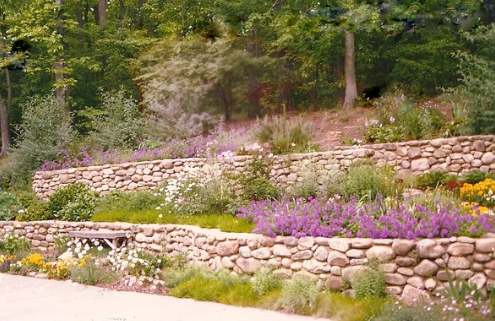
Creating a rustic butterfly garden is a rewarding endeavor that invites the beauty of nature into your home. By combining charming design elements and a variety of plants, you can attract beautiful butterflies while enjoying a serene space.
1. Choosing the Right Location
The first step in your butterfly garden design is selecting an ideal location. Look for a spot that receives plenty of sunlight, ideally at least six hours per day, as butterflies are attracted to warm environments. Additionally, consider some wind protection, such as fences or shrubs, which can create a calm environment for these delicate creatures.
Soil quality is also crucial. Conduct a soil test to assess pH and nutrient levels, and amend the soil as necessary to ensure it’s conducive to the plants you will choose. Well-draining soil is essential, as butterflies prefer not to land in soggy areas.
-
- Pick a sunny spot with at least six hours of sunlight.
-
- Ensure there is some protection from wind.
-
- Test the soil for pH and nutrient levels.
-
- Avoid areas with standing water or soggy soil.
-
- Consider proximity to natural features like trees or water sources.
2. Selecting the Right Plants
Butterflies are drawn to specific plants, especially those that provide nectar and host plants for their larvae. Incorporating a variety of flowering plants such as asters, purple coneflowers, and milkweed is a must. Aim for a mix of both annuals and perennials to ensure continuous blooms throughout the seasons.
Don’t forget to include native plants, as they are better adapted to your local environment and more attractive to native butterfly species. Research which plants attract the butterflies found in your area to maximize your garden’s appeal.
-
- Choose a mix of nectar and host plants for larvae.
-
- Incorporate both annuals and perennials.
-
- Focus on native plants for your local butterfly species.
-
- Space plants adequately for easy butterfly access.
-
- Plan for seasonal changes to ensure year-round blooms.
3. Adding Rustic Features
To enhance the rustic charm of your butterfly garden, consider incorporating natural elements such as wooden borders, stones, or even a small rustic bench. These features can create a tranquil environment where you can rest and watch the butterflies fluttering around. Upcycled materials like old crates or wooden pallets can also serve as delightful planters or garden decor.
Additionally, using native stones to create pathways will not only add charm to your space but will also help in drainage. These serene features encourage interaction with the garden, allowing you to appreciate the natural beauty of both the butterflies and your design elements.
-
- Use natural materials like wood and stone for decor.
-
- Incorporate upcycled items to reduce waste.
-
- Create a small pathway for easy access.
-
- Add rustic seating to enjoy the garden.
-
- Maintain an organic feel by avoiding plastic decor.
4. Creating a Care Routine
Maintaining your rustic butterfly garden is essential for keeping it thriving. Regular watering, especially during dry periods, will keep your plants healthy and attractive to butterflies. Weeding should also be part of your routine, as invasive species can overtake your garden and reduce its appeal.
Additionally, consider monitoring the health of your plants and checking for pests. Using organic methods to manage pests can protect both your plants and the butterflies. A little care will go a long way in ensuring that your garden remains a welcoming sanctuary for these majestic creatures.
-
- Water regularly, especially in dry seasons.
-
- Weed to prevent invasive species.
-
- Monitor the health of your plants regularly.
-
- Use organic pest control methods.
-
- Keep track of which plants attract butterflies for future reference.
5. Engaging with the Wildlife
Your rustic butterfly garden can become a hub of wildlife interaction. Beyond butterflies, consider adding plants that attract bees, hummingbirds, and other beneficial insects. This biodiversity is not only good for the environment, but it also adds life to your garden.
Setting up a small water source, like a bird bath or shallow dish, can help attract not just butterflies but other wildlife as well. Make sure to change the water frequently and keep the area clean to encourage regular visits. Observing these interactions will deepen your appreciation for nature while making your garden a lively ecosystem.
-
- Include plants that attract a variety of wildlife.
-
- Set up a shallow water source for butterflies and other animals.
-
- Maintain cleanliness to keep the garden appealing.
-
- Observe different types of wildlife visiting your garden.
-
- Document your experiences and any changes in butterfly populations.
Designing a rustic butterfly garden is a fulfilling project that can bring joy and serenity to your home. By selecting the right plants and features, you can create a beautiful sanctuary that welcomes butterflies and other wildlife. Start planning your garden today and immerse yourself in the delightful world of nature!