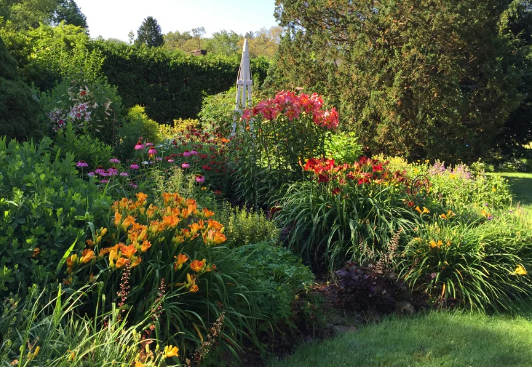
Creating a cottage garden can be one of the most rewarding gardening experiences, as it allows for creativity, color, and a connection to nature. One of the key elements to achieve a stunning visual impact is layering. By effectively layering plants, you can create a sense of depth and interest that invites exploration and appreciation in your garden space.
1. Understanding Plant Heights
When designing your cottage garden, consider the heights of the plants you choose. Taller plants, like sunflowers or hollyhocks, should be positioned at the back of your garden bed or against a fence. Medium-height plants, such as daisies or lupines, can be planted in the middle, while shorter plants, like marigolds or pansies, should be at the forefront. This staggered approach not only adds depth but also ensures that all plants receive adequate sunlight. By strategically layering heights, you can create a dynamic and visually appealing garden.
2. Incorporating Foliage and Texture
Beyond just flowers, incorporating a variety of foliage can add depth and texture to your cottage garden. Different leaf shapes and colors can create contrast and enhance the visual interest of your space. For instance, pairing the broad leaves of hostas with the fine foliage of ferns can create a striking effect. Consider using variegated plants, such as yucca or ornamental grasses, to add an extra layer of intrigue. This combination of textures ensures that even when flowers are not in bloom, your garden remains vibrant and engaging.
3. Using Pathways and Boundaries
Creating pathways and boundaries within your cottage garden can further enhance the layered effect. By introducing winding paths made of gravel, stepping stones, or wood chips, you can lead the eye through the garden and create a sense of adventure. This not only draws attention to different plant layers but also adds an element of exploration. Additionally, consider using low fences, trellises, or hedges to create distinct sections within your garden. These boundaries allow for varied plant combinations and contribute to the overall depth of your design.
In conclusion, layering in your cottage garden is essential for creating depth and visual interest. By considering plant heights, incorporating diverse foliage, and designing thoughtful pathways, you can craft a garden that invites both beauty and exploration. Why not take the next step and start planning your own layered cottage garden today? Dive into the world of plants, colors, and textures and create a space that reflects your personal style!