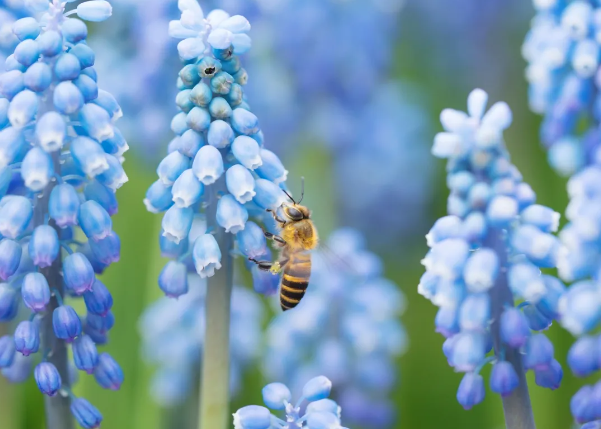
Spring is a season of renewal, and it brings a vibrant array of flowers that are not only beautiful but also crucial for supporting bee populations. Bees play an essential role in pollinating many of the fruits and vegetables we enjoy, making it important to create conducive environments for them in our gardens. In this post, we’ll explore some of the best spring flowers to consider for your bee-friendly garden.
1. Bluebells
Bluebells (Hyacinthoides non-scripta) are a must-have for any bee garden due to their high nectar content. These enchanting flowers bloom in April and May, creating a stunning carpet of blue hues across woodland areas. Their unique shape makes it easy for bees to access the nectar, thus attracting them in droves. Planting Bluebells in clusters can enhance their visibility to foraging bees, creating a lively and buzzing atmosphere in your garden.
These plants thrive in partial shade, making them a suitable choice for shaded areas in your garden. They require minimal maintenance once established, as they can naturalize and spread over time. Given their adaptability, Bluebells are perfect for creating a lush, bee-friendly environment without needing constant care. Make sure to choose native Bluebells, as non-native varieties can sometimes disrupt local ecosystems.
-
- Plant Bluebells in clusters for maximum visibility.
-
- Choose native varieties to protect local ecosystems.
-
- Water them well during dry spells, especially in their early growth stages.
-
- Avoid mowing them until they have set seed to encourage natural spreading.
2. Primrose
Primroses (Primula vulgaris) are another gem in spring gardens that offer crucial resources for bees. These charming perennial flowers usually bloom from March to May, providing early-season food for foraging bees just as they emerge from hibernation. Their vibrant colors not only add charm to your garden but also attract various bee species, including bumblebees, slender bees, and honeybees.
Primroses prefer well-drained soil and can thrive in both sunny and partially shaded spots. This makes them quite versatile for different garden settings. Additionally, they have a long blooming period, which means they can provide a steady food supply to bees over several months. As an added bonus, Primroses can self-seed, ensuring that they continue to flourish year after year with minimal intervention.
-
- Plant Primroses in both sunny and partially shaded areas.
-
- Mix different colors for a more vibrant garden display.
-
- Deadhead spent flowers to encourage more blooms.
-
- Allow some flowers to go to seed for natural propagation.
3. Crocus
Crocuses are one of the first flowers to bloom in spring, often pushing through the last remnants of snow. These small but vibrant flowers can be a vital food source for bees during the early spring months when other flowers may not yet be available. Their bright colors are particularly appealing to bees, and they are easy to grow, making them a wonderful addition to any bee garden.
Crocuses thrive in well-drained soil and full sunlight, ideal for adding bright patches of color to your garden. They can also naturalize and multiply over the years, creating a stunning display. Planting them in large groups can make them more visible and appealing to pollinators, significantly boosting their chances of attraction. Additionally, they require very little maintenance, making them perfect for busy gardeners.
-
- Plant Crocus bulbs in the fall for a vibrant spring display.
-
- Group them in clusters to create a visually striking effect.
-
- Ensure they have well-drained soil to prevent rot.
-
- Avoid over-fertilizing, as Crocuses thrive in low-nutrient environments.
4. Dandelions
Often regarded as mere weeds, dandelions (Taraxacum officinale) are among the most important plants for bees in spring. They bloom early in the season and provide a plentiful source of nectar and pollen when many other flowers have yet to bloom. Beating the spring bloom rush, dandelions can significantly contribute to bee health, supporting them as they emerge from hibernation.
In addition to being bee-friendly, dandelions have various benefits for your garden. Their deep taproots help break up compact soil, improving aeration and water infiltration. They are also easy to grow and require no special care, making them a fantastic option for any garden. Rather than spraying them, consider embracing their presence as part of the natural ecosystem, benefiting both your garden and local pollinators.
-
- Embrace dandelions; they are a vital resource for bees.
-
- Avoid using pesticides that can harm these important plants.
-
- Consider leaving some dandelions in your lawn to boost local ecology.
-
- Sketch a plan to include dandelions as part of your garden landscape.
5. Wildflowers
Incorporating a mix of wildflowers can create a delightful haven for bees while enhancing the overall beauty of your garden. Wildflowers bloom at various times, ensuring that bees have a continuous food supply from early spring until late fall. Some popular wildflowers that attract bees include clover, coneflower, and various species of sunflower, making for a vibrant patchwork of color among your other plants.
Wildflower mixes can be easily seeded in garden beds or left to grow in natural areas, providing an effortless, low-maintenance solution for creating a bee-friendly environment. These plants are often adapted to the local climate, requiring less water and care than traditional garden flowers. By planting diverse wildflowers, you not only support bee populations but also contribute to the overall health of your ecosystem.
-
- Choose native wildflower mixes for the best results.
-
- Scatter seeds in spring or fall for a varied bloom schedule.
-
- Allow plants to go to seed for natural propagation.
-
- Regularly check for invasive species that could harm local biodiversity.
Creating a bee-friendly garden is a rewarding endeavor that helps support the vital role bees play in our ecosystem. By incorporating these spring flowers, you can provide essential food sources and habitats for these important pollinators. Start planning your bee garden today and take a step toward a healthier ecosystem in your community.