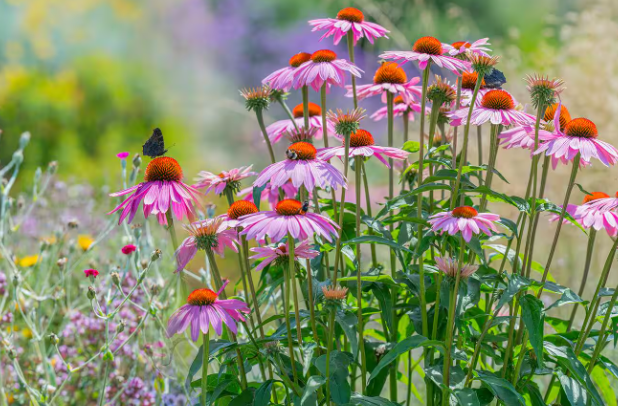
Perennial flowers are not only beautiful additions to any garden but are also vital for supporting local pollinators, such as bees, butterflies, and hummingbirds. By incorporating the right perennial plants, you can create a vibrant ecosystem that nurtures these essential creatures while enhancing the aesthetic appeal of your outdoor space.
1. Why Choose Perennial Flowers?
Perennial flowers are plants that live for more than two years, making them a sustainable choice for your garden. Unlike annuals that need to be replanted each year, perennials return season after season, providing a consistent source of nectar and pollen for pollinators. Additionally, many perennial varieties boast hardiness and adaptability, allowing them to thrive in various climates and conditions.
Moreover, perennial flowers can improve the overall health of your garden by attracting beneficial insects. Pollinators help with plant reproduction, which can lead to a more fruitful vegetable garden. When you select flowering perennials that are specifically known to attract pollinators, you’re opting for a plant that contributes positively to the ecosystem.
-
- Opt for native perennials that are well-suited to your local climate.
-
- Create a diverse garden with various bloom times for continuous pollen supply.
-
- Consider plants with different flower shapes to attract various pollinators.
-
- Choose disease-resistant varieties to ensure longevity and health.
2. Top Perennial Flowers for Pollinators
There are several standout perennial flowers that are particularly attractive to pollinators. Coneflowers (Echinacea) are a popular choice, known for their vibrant colors and sturdy structure. They bloom from mid-summer to early fall, providing a long-lasting food source for bees and butterflies. Another excellent option is the Black-eyed Susan (Rudbeckia), which can thrive in various soil types and conditions, making them easy to grow and maintain.
Lavender (Lavandula) is not only aromatic but also a magnet for pollinators like bees due to its rich, fragrant flowers. Additionally, the vibrant blooms of Bee Balm (Monarda) and the tall stalks of Delphiniums both attract a variety of winged visitors. When planning your garden, consider incorporating a mix of these flowers to create a haven for pollinators.
-
- Include coneflowers for an extended blooming period.
-
- Plant lavender for its fragrant flowers that attract bees.
-
- Mix in Bee Balm to bring in hummingbirds and butterflies.
-
- Don’t hesitate to experiment with different colors and heights for visual interest.
3. Caring for Your Pollinator-Friendly Perennial Garden
To ensure your perennial flowers thrive, proper care is essential. Begin by planting them in well-drained soil with adequate sunlight and spacing to promote healthy growth. Regularly watering your plants, especially during dry spells, is important, as well as adding mulch to maintain soil moisture and suppress weeds. Be sure to also deadhead spent blooms to encourage new growth and extend the flowering period.
Another critical aspect of care is managing pests without harming pollinators. Avoid using chemical pesticides and consider natural alternatives like neem oil or insecticidal soap. Additionally, allowing some native weeds to grow can provide habitat and food sources for beneficial insects that will help maintain a balanced ecosystem in your garden.
-
- Choose a sunny location for optimal growth.
-
- Water regularly, particularly in dry spells.
-
- Add mulch to maintain soil moisture and reduce weeds.
-
- Use organic pest control methods to protect pollinators.
-
- Consider companion planting to enhance growth and deter pests.
4. Creating a Pollinator-Friendly Habitat Beyond Flowers
While planting perennial flowers is crucial, creating a friendly environment for pollinators involves more than just flowers. You can enhance your garden by adding features like water sources, such as shallow bird baths or small ponds, which will attract a wider variety of wildlife. Providing shelter options, such as bee hotels or small wood piles, will encourage pollinators to make your garden their home.
Additionally, you can plant a diverse range of flowers that bloom at different times of the year. This ensures that pollinators have a continuous food supply from spring through fall. Embracing biodiversity will also make your garden more resilient to pests and diseases, further benefiting both the plants and the pollinators that frequent them.
-
- Include shallow water sources in your garden design.
-
- Construct bee hotels for solitary bee species.
-
- Offer shade and nesting sites with small structures or wood piles.
-
- Ensure a variety of bloom times with multiple flower species.
As you embark on creating your pollinator-friendly garden, remember that every small effort contributes to the health of local ecosystems. Choose perennial flowers thoughtfully, care for them diligently, and create an inviting habitat for pollinators. By doing so, you’ll witness not only the flourishing of your garden but also the delight of nature’s most industrious workers.