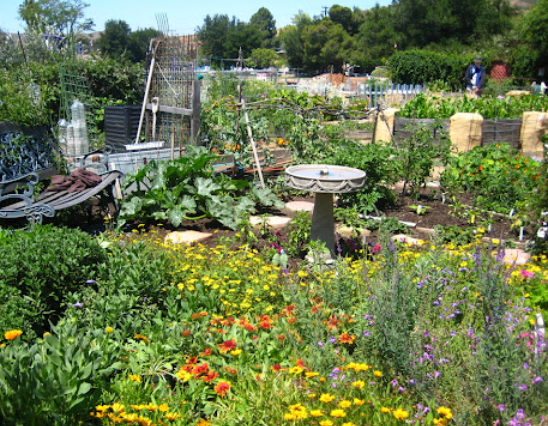
Creating an herb garden is a wonderful way to support the local ecosystem, especially for our buzzing friends: bees and butterflies. These pollinators play a critical role in maintaining the balance of nature, and cultivating herbs can provide them with the nourishment they desperately need. Let’s delve into how to establish an herb garden that thrives for both you and these essential insects.
1. Why Herbs Appeal to Bees and Butterflies
Herbs like lavender, thyme, and mint are not just flavorful additions to your cooking; they also attract a variety of pollinators. These plants produce vibrant flowers rich in nectar and pollen, making them irresistible to bees and butterflies. When you plant a diverse range of herbs, you’re not only providing nourishment but also a habitat that encourages these crucial insects to visit.
Different herbs bloom at various times throughout the growing season, which helps sustain these pollinators. For example, lavender tends to bloom in late spring to early summer, while mint flowers at the beginning of summer. Incorporating a variety of herbs will ensure that there’s a continuous food source available throughout the warmer months.
-
- Choose a mix of annuals and perennials to extend blooming seasons.
-
- Plant in clusters to create a more appealing visual and scent for pollinators.
-
- Use organic methods to keep your herbs healthy and chemical-free.
-
- Include native herbs that are specifically adapted to your local pollinators.
2. Best Herbs to Plant for Pollinators
Some herbs are more attractive to bees and butterflies than others. Consider planting herbs like chives, oregano, and basil, which not only enhance your dishes but also draw in various types of pollinators. These herbs generally have small, clustered flowers that are particularly attractive to buzzing bees.
Another fantastic option is fennel, which attracts Swallowtail butterflies. Known for their distinctive yellow and black stripes, these butterflies are not just beautiful but also crucial for maintaining biodiversity. By selecting herbs that are likely to attract these species, you create a garden that benefits a wide array of wildlife.
-
- Plant chives, as their purple flowers attract many bees.
-
- Fennel flowers serve as food for caterpillars!
-
- Include thyme and oregano for both cooking and pollinator attraction.
-
- Don’t forget dill; it’s a favorite of many butterfly species.
3. Setting Up Your Herb Garden for Success
To maximize the impact of your herb garden on local pollinators, consider its location and layout. Select a spot that receives ample sunlight, ideally 6-8 hours a day, as many herbs thrive under these conditions. A well-drained soil is crucial to prevent root rot, which can hinder growth.
You can create dedicated herb beds or mix herbs into existing garden spaces. If you’re short on space, pots on balconies or patios work just as well. Just ensure these containers have good drainage and are large enough for the roots to spread comfortably.
-
- Choose raised beds or containers for easy access and management.
-
- Amend soil with compost for richer nutrients.
-
- Group plants by their watering needs to simplify care.
-
- Use stakes or trellises for climbing herbs if you want to save space.
4. Maintaining Your Pollinator-Friendly Herb Garden
Once your herb garden is established, ongoing maintenance is key to attracting and retaining pollinators. Regular watering, especially during dry spells, keeps plants healthy and blooming. Depending on your climate, you might also consider mulching to retain soil moisture and regulate temperature.
Pest management is another important aspect of maintaining a thriving herb garden. However, be cautious with pesticides, as many chemical agents can harm bees and butterflies. Instead, consider natural methods such as introducing beneficial insects or simple soap solutions to combat pests.
-
- Regularly inspect for pests, acting quickly to address any outbreaks.
-
- Water deeply and less frequently to encourage stronger root systems.
-
- Limit the use of pesticides; opt for organic options when absolutely necessary.
-
- Encourage biodiversity by planting a variety of herbs and flowering plants.
By establishing an herb garden that is friendly to bees and butterflies, you can significantly contribute to your local ecosystem while enjoying fresh herbs in your kitchen. Start small, experiment with different plants, and enjoy watching the delightful visitors your garden attracts!