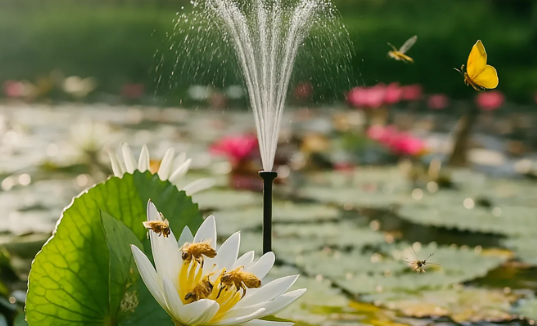
Creating a garden pond can be a delightful way to enrich your outdoor space and offer essential habitat for pollinators. Not only do ponds provide a vital resource for bees, butterflies, and other beneficial insects, but they also add beauty and tranquility to your garden. Let’s explore how you can enhance your garden pond to support pollinators effectively.
1. Understanding the Needs of Pollinators
Pollinators, including bees and butterflies, require specific conditions to thrive in a garden environment. They are attracted to plants that provide both food and shelter. Consider the plant species surrounding your pond; native flowers that bloom at different times throughout the growing season will ensure a continuous food supply. Additionally, providing shelter, such as rocks or dense foliage near the water, can create a safe haven for these creatures.
Water sources, like ponds, play a critical role for pollinators, particularly during dry spells when other resources may be scarce. Bees and butterflies not only need water for drinking but also for maintaining their hives or nurturing their larvae. It’s essential to create a habitat that balances aquatic features with flowering plants to appeal to these essential insects.
-
- Include native plants around the pond.
-
- Ensure flowers bloom at different times for a continuous food source.
-
- Incorporate rocks and foliage for sheltering spots.
-
- Position the pond in a sunny area to attract pollinators.
2. Designing Your Pond for Maximum Attraction
When it comes to design, the aesthetics of your pond can greatly affect its appeal to pollinators. A shallow pond with gently sloped edges is ideal, allowing easy access for small insects to drink without the risk of drowning. Adding a basking platform or floating plants like water lilies not only enhances beauty but also provides resting spots for butterflies and bees.
Additionally, consider adding habitat features like stones, logs, and underwater plants. These elements create a rich ecosystem that attracts various species of pollinators. The presence of diverse features encourages not only pollinator visitation but also enhances biodiversity, which is essential for a stable garden environment.
-
- Create shallow zones for easy access to water.
-
- Add floating plants to provide resting areas.
-
- Incorporate natural materials like rocks and logs.
-
- Ensure a varied depth in your pond for different wildlife.
3. Maintaining Your Pond for Pollinator Health
Regular maintenance is key to keeping your pond healthy for both aquatic life and pollinators. Start by monitoring the water quality and ensuring that it remains clean. Avoid using chemical pesticides or fertilizers in and around your pond, as these can be harmful to pollinators and other beneficial organisms. Natural methods of pest control, such as introducing beneficial insects, can create a balanced environment.
Additionally, seasonal maintenance tasks, such as trimming overgrown plants and removing debris, will keep your pond thriving. This allows sunlight to penetrate, supporting healthy aquatic plants that contribute to a balanced ecosystem. Regularly reviewing your plant selections and replacing non-native species with natives will significantly benefit local pollinator populations.
-
- Test water quality regularly; remove any debris.
-
- Avoid chemicals; consider using organic options.
-
- Trim plants seasonally to enhance sun exposure.
-
- Consider adding beneficial insects for natural pest control.
4. Observing and Enjoying Your Pollinator Pond
Once your pond and garden begin to attract pollinators, take the time to sit back and observe these fascinating creatures. This can be an educational experience for families and an opportunity to deepen your connection with nature. Set up a comfortable spot near the pond with seating, and enjoy watching the interaction between plants and pollinators, which can also help you learn which species are most attracted to your setup.
Document your observations with journal entries or photographs, and consider sharing your experiences with local garden clubs or social media platforms. This can inspire others to create their own pollinator-friendly spaces, helping to raise awareness about the importance of protecting these essential species by creating habitats in our gardens.
-
- Set up seating for comfortable viewing.
-
- Document your observations; consider a nature journal.
-
- Engage with local gardening communities.
-
- Share your experience online to inspire others.
Creating a garden pond that caters to pollinators is not just beneficial for the environment but also enhances your gardening experience. Dive into these practices to cultivate a thriving habitat, and don’t hesitate to reach out to experts or consult local resources for more advice. Start transforming your garden today, and invite the magic of pollinators into your outdoor space!