Creating a seasonal pollinator garden is not only rewarding but crucial for supporting local ecosystems. By carefully planning your garden, you provide essential habitats for bees, butterflies, and other pollinators throughout the year. In this post, we will explore practical steps to design and maintain a thriving pollinator garden.
1. Selecting the Right Plants
Choosing the right plants is critical for attracting various pollinators. Different species thrive in different seasons, so it’s essential to have a diverse selection that blooms at varying times throughout the year. For instance, early bloomers like crocuses and snowdrops provide much-needed food for pollinators emerging in spring, while late bloomers such as asters and sedums sustain them in fall.
Additionally, consider native plants, as they are often more appealing to local pollinators and require less maintenance. Each region has its unique set of native species that can provide optimal support for both honeybees and wild pollinators. A diverse plant palette will also create visual interest in your garden.
-
- Research native plants in your area.
-
- Choose plants with varying bloom times.
-
- Include structural diversity (e.g., tall plants, ground covers).
-
- Opt for flowering herbs like lavender and basil.
2. Designing Your Garden Layout
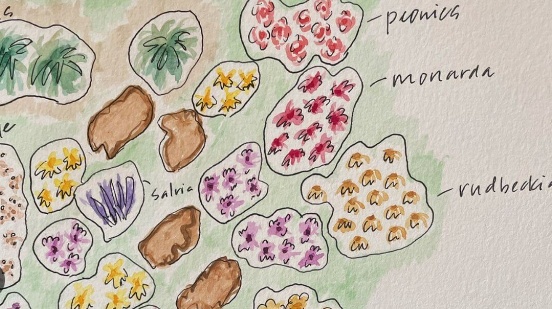
Designing your garden layout is essential for maximizing attractiveness to pollinators. Grouping plants in clusters can help make them more visible and easier for pollinators to locate. Consider creating swathes of the same species rather than a single plant here and there, as this will attract more insects. Additionally, incorporating pathways and open spaces can create attractive conditions for different types of visitors.
Water sources and sun exposure also play a major role in your garden’s success. Pollinators need water, so integrating a small pond or birdbath can further enhance their habitat. It’s also vital to provide sunny spots where they can bask, especially in cooler seasons. Make sure to observe changes throughout the day and adjust your layout as necessary to cater to sun and shade differences.
-
- Group plants in clusters for visibility.
-
- Incorporate paths for ease of access.
-
- Add water features for hydration.
-
- Monitor sun and shade patterns when planning.
3. Implementing Care and Maintenance Routines
Caring for your pollinator garden will ensure its sustainability. Regular maintenance tasks such as weeding, deadheading, and watering are crucial in supporting your plants’ health, which, in turn, benefits the pollinators. Think about mulching with organic materials to retain moisture and suppress weeds while providing habitat for beneficial insects.
Keep an eye out for pests that could harm your garden but avoid using harmful pesticides that can negatively impact pollinator populations. Instead, consider adopting organic methods, such as introducing beneficial insects or companion planting. Observing your garden regularly will help you catch issues early, ensuring a thriving habitat for your pollinators.
-
- Establish a regular weeding schedule.
-
- Use organic pest control methods.
-
- Deadhead spent flowers to encourage new blooms.
-
- Apply mulch to conserve moisture and suppress weeds.
4. Tracking Pollinator Activity
Monitoring your pollinator garden can provide insights into the most effective plants and practices. Keep a journal or use apps to track which plants attract the most visits and when. You can take photos or create sketches to document seasonal changes and pollinator activity over time.
Getting involved in citizen science projects can broaden your understanding and help you contribute to local conservation efforts. Sites like iNaturalist allow you to log your findings and interact with a community of fellow garden enthusiasts and scientists. This engagement not only enriches your gardening experience but also aids in community awareness around pollinator needs.
-
- Maintain a journal for observations.
-
- Use apps to track pollinator activity.
-
- Participate in citizen science projects.
-
- Share your findings with local gardening groups.
5. Educating and Engaging Your Community
Creating a pollinator garden can be an excellent opportunity to engage with your community and raise awareness about the importance of pollinators. You may consider hosting workshops to share your knowledge about pollinator-friendly practices, or even organizing neighborhood planting events to create a more extensive network of habitats.
Providing educational materials or hosting garden tours can inspire others to create their own pollinator gardens. By building a community around this initiative, you can maximize the collective impact on local ecosystems while creating lasting relationships with fellow gardening enthusiasts.
-
- Organize workshops to share information.
-
- Host community planting days.
-
- Create informational brochures about pollinators.
-
- Invite neighbors for garden tours to inspire others.
In conclusion, planning a seasonal pollinator garden requires thoughtfulness and commitment but offers immense rewards for both the environment and personal enjoyment. By following these practical steps, you can create a vibrant haven that supports pollinator populations year-round. Start your gardening journey today and make a positive impact on your local ecosystem!