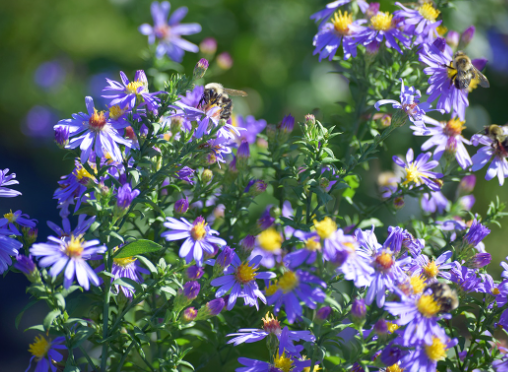
The warm days of summer may be fading, but our gardens can still buzz with life as we enter the late season. Understanding the importance of late season pollinator plants is crucial for supporting local ecosystems and helping pollinators thrive before winter sets in. In this post, we’ll explore several plants that can keep your garden lively, as well as tips for incorporating them into your landscape.
1. Goldenrod: More than Just a Weed
Goldenrod is often mistakenly labeled as a weed, but it plays a vital role in late-season gardens. Blooming from late summer through fall, this robust plant produces vibrant yellow flowers that attract a variety of pollinators, including bees, butterflies, and even hummingbirds. Its dense clusters provide food at a critical time when many other flowers have already faded, ensuring that pollinators have ample resources before winter.
There are various species of goldenrod, but Solidago rugosa, or rough goldenrod, is particularly known for its ability to thrive in dry conditions. Its resilience makes it a great addition to gardens that may not receive regular watering. To invite these busy creatures into your yard, consider planting goldenrod in sunny spots with well-drained soil to maximize growth and bloom potential.
-
- Choose a sunny location with well-drained soil.
-
- Opt for native goldenrod species to enhance local ecology.
-
- Group several plants together for a more impactful display.
-
- Monitor moisture levels during dry spells to keep the plants healthy.
-
- Avoid using pesticides to protect pollinators that visit your garden.
2. Aster: A Magnet for Late-Season Pollinators
With their vibrant, daisy-like flowers, asters are another fantastic addition to your late garden. Blooming from late summer through fall, asters provide essential nectar for pollinators such as bees, butterflies, and moths. They come in various colors, including purple, blue, and white, making them visually appealing and versatile for landscaping.
Asters are particularly valuable as they bloom when many other plants have already finished their life cycle. Planting varieties like New England aster (Symphyotrichum novae-angliae) or smooth aster (Symphyotrichum laeve) enhances not only the beauty of your garden but also its ecological health by supporting a diverse range of pollinators. Pair these plants with other late bloomers to create a flourishing ecosystem even as the temperatures begin to drop.
-
- Select native aster species to support local wildlife.
-
- Plant in clusters to increase visibility and nectar availability.
-
- Ensure they have at least 6 hours of sunlight each day.
-
- Water regularly, particularly during dry spells.
-
- Cut back spent blooms to promote further flowering.
3. Sedum: A Hardy Option for Late-Season Gardens
Sedum, or stonecrop, is a succulent that thrives in poor soil and needs little water, making it an ideal candidate for low-maintenance gardens. This hardy plant tends to bloom in late summer and fall, offering attractive flower heads in shades of pink, red, and yellow. Many pollinators, including butterflies and bees, are drawn to sedum for its ample nectar supply, ensuring they have food sources during the later months of the growing season.
In addition to being an excellent pollinator plant, sedums can also contribute to soil health by preventing erosion and providing ground cover. They work well in rock gardens, borders, or even as part of a container arrangement. This versatility not only adds visual interest but also enhances your garden’s ecological value.
-
- Plant sedum in well-drained soil and sunny locations.
-
- Mix different varieties for diverse colors and textures.
-
- Use as ground cover to prevent erosion in sloped areas.
-
- Water sparingly, especially once established.
-
- Deadhead blooms to encourage prolonged flowering.
4. Late-Blooming Phlox: A Colorful Contributer
Phlox is a classic garden plant known for its vibrant blooms and sweet fragrance. Late-blooming varieties, such as fall phlox (Phlox paniculata), can provide a colorful burst in your garden into the autumn months. This perennial is popular among pollinators, especially bees and butterflies, as its blooms offer a rich source of nectar late in the season when food can be scarce.
Phlox is also quite versatile, thriving in borders, as a stand-alone specimen, or in cottage gardens. Available in various colors, they not only attract pollinators but also brighten up those waning outdoor spaces. These plants can grow quite tall, so be sure to provide adequate spacing and support if necessary.
-
- Choose sun-drenched locations for optimal growth.
-
- Consider taller varieties at the back of borders or flower beds.
-
- Ensure they are spaced properly to promote airflow and health.
-
- Fertilize in early spring for vibrant blooms.
-
- Invite other late-season flowers for a diverse pollinator-friendly garden.
In conclusion, incorporating late-season pollinator plants into your garden is essential for growing a vibrant, thriving ecosystem. By choosing species like goldenrod, asters, sedums, and phlox, you can ensure that you’re supporting pollinators well into the fall. Start planning your late-season garden today, and consider consulting local gardening experts or resources to maximize your efforts. Every pollinator counts, so let’s create vibrant spaces for them to thrive!