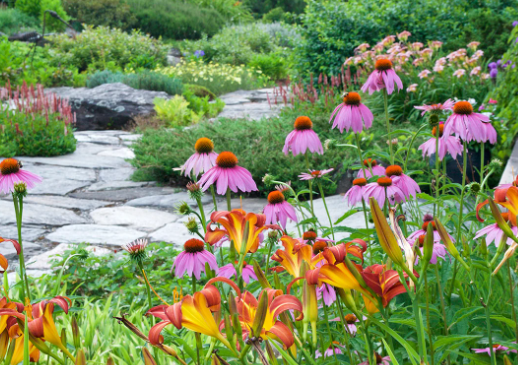
Creating a pollinator-friendly garden is an excellent way to support local ecosystems and enjoy the beauty of flowering plants. These gardens not only attract bees, butterflies, and other vital pollinators but also provide a diverse habitat for various wildlife. In this blog post, we’ll explore practical tips and inspiring ideas to help you design your own sanctuary for pollinators.
1. Choosing the Right Plants
One of the most critical aspects of a pollinator-friendly garden is selecting the right plants. Native flowers are especially beneficial as they are adapted to the local climate and soil, attracting native pollinators more effectively. Consider including a mix of flowers that bloom at different times throughout the growing season to ensure a continuous food supply for pollinators. Plants like coneflowers, milkweeds, and black-eyed Susans are perfect choices for your garden.
In addition to native plants, think about incorporating herbs into your garden. Herbs such as basil, mint, and thyme not only attract beneficial insects but can also be used in your kitchen. When planning your layout, group plants that have similar sunlight and watering needs together, making maintenance easier while maximizing their visual appeal and benefit to pollinators.
-
- Choose native flowering plants for your area.
-
- Include a variety of plants that bloom at different times.
-
- Mix in pollinator-friendly herbs for added benefits.
-
- Group plants with similar care requirements together.
2. Providing Shelter and Water
Pollinators need more than just food; they also require shelter and water sources. Incorporating various textures and structures in your garden can provide essential hiding spots for insects and other wildlife. Dense foliage, small trees, and shrubby areas offer safe retreats for pollinators. Additionally, leaving some areas of your garden unmowed can create natural habitats, allowing pollinators to thrive.
Water is a crucial component that often gets overlooked in garden design. Simple solutions like shallow bowls filled with water and pebbles provide an accessible drinking spot for bees and butterflies. Ensure these water sources are shallow enough for insects to land safely, minimizing the risk of drowning. You can also create a small pond or water feature that serves as both a drinking spot and a habitat for various species.
-
- Incorporate dense foliage and shrubs for shelter.
-
- Leave some areas unmowed to create natural habitats.
-
- Add shallow water sources with pebbles for safety.
-
- Consider a small pond or water feature to attract wildlife.
3. Avoiding Pesticides and Chemicals
To maintain a healthy pollinator-friendly garden, it’s crucial to avoid the use of harmful pesticides and chemicals. Many of these products can have detrimental effects on pollinators, often leading to population declines and loss of biodiversity. Instead, focus on organic gardening practices that promote pest control through natural means, such as beneficial insects, companion planting, and organic mulch.
To manage pests organically, consider using insecticidal soaps or neem oil. These options are less harmful to pollinators and can effectively control pest populations without compromising garden health. Regularly inspecting your plants for pests can also help you catch any issues early, allowing for timely intervention without resorting to chemicals.
-
- Commit to organic gardening practices.
-
- Use beneficial insects to control pest populations.
-
- Inspect plants regularly for early pest detection.
-
- Avoid chemical pesticides and herbicides at all costs.
4. Engaging Your Community
Building a pollinator-friendly garden can be an excellent opportunity to engage with your community. Consider organizing planting days where neighbors can come together to learn about pollinators and contribute to a shared garden project. This not only beautifies the community but also raises awareness about the importance of pollinator habitats. Workshops and educational events can provide valuable information on the best practices for maintaining a pollinator-friendly space.
Partnering with local schools or environmental groups can enhance your efforts. By involving students or volunteers, you can create a learning environment that fosters appreciation for nature. Community gardens also serve as an excellent resource for sharing seeds, plants, and gardening tips, creating a network of support for everyone involved.
-
- Organize community planting days to involve neighbors.
-
- Host workshops to educate others on pollinator gardening.
-
- Collaborate with local schools for educational projects.
-
- Create a community garden to share resources and knowledge.
Establishing a pollinator-friendly garden is an enriching and impactful endeavor that benefits both the environment and your local community. By choosing the right plants, providing shelter and water, avoiding harmful chemicals, and engaging with others, you can create a sanctuary that supports these vital creatures. Start your journey today and enjoy the beauty and buzz of a thriving pollinator habitat in your own backyard!