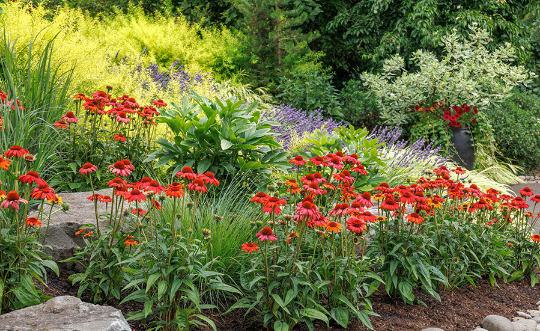
Creating a beautiful garden that attracts butterflies and bees not only enhances the aesthetic appeal of your outdoor space but also supports local ecosystems. This post will explore some fantastic ideas and practical tips for designing such a delightful garden.
1. Selecting the Right Plants
The choice of plants is crucial in attracting butterflies and bees to your garden. Native flowers, especially those that bloom in different seasons, provide essential nectar and pollen for these pollinators. Consider planting species like coneflowers, milkweed, and lavender, which are known to draw in various butterfly species and are also favorites of bees.
Make sure to select flowers with varying bloom times to ensure there is always something for pollinators throughout the growing season. Grouping similar plants together can create a burst of color and help to attract more butterflies and bees. With native plants, you also support local wildlife by providing a habitat that these creatures are naturally adapted to.
-
- Choose native plants for your area.
-
- Include a variety of colors and flower shapes.
-
- Plan for continuous blooming throughout the season.
-
- Group plants in clusters for maximum impact.
2. Providing Water Sources
Just like any living creature, butterflies and bees require water for hydration. A shallow water feature, such as a birdbath or a small pond, can be an excellent addition to your garden. Ensure that there are stones or pebbles for the insects to land on without drowning, as bees and butterflies are not strong swimmers.
In addition, you can create puddling spots in the garden where butterflies gather to sip water and extract minerals from the soil. Simply fill a shallow dish with sand and moisten it lightly. This simple setup can make your garden a hot spot for butterflies looking to recharge!
-
- Install a shallow birdbath or water dish.
-
- Add stones for landing spots.
-
- Create puddling spots with damp sand.
-
- Refresh water regularly to keep it clean.
3. Creating Shelter and Habitat
To encourage butterflies and bees to stay in your garden, it’s essential to provide shelter. Adding elements like shrubs, tall grasses, or even a butterfly house can offer these insects a place to rest, hide, and breed. Native shrubs can also provide food and habitat for many beneficial insects.
Additionally, consider leaving some areas of your garden a bit “wild” to encourage nesting. Dead wood, brush piles, or even leaving some weeds can provide the necessary habitat for solitary bees and other beneficial wildlife. Keeping a mix of manicured and wild spaces can enhance biodiversity in your yard.
-
- Add native shrubs and grasses for shelter.
-
- Select a butterfly house made from untreated wood.
-
- Leave some areas of your garden natural and unmanicured.
-
- Construct brush piles or dead wood habitats.
4. Minimizing Chemicals in Your Garden
One of the biggest threats to butterflies and bees is the use of chemical pesticides and herbicides. These substances can be harmful not only to the target pests but also to beneficial insects. Opt for organic gardening practices wherever possible, such as introducing beneficial insects, using companion planting, or utilizing homemade pesticide alternatives.
In addition, think about pest management strategies that involve encouraging natural predators rather than relying on chemicals. This will not only help maintain a healthy garden ecosystem but will also make your garden a safe haven for butterflies and bees.
-
- Avoid chemical pesticides and herbicides.
-
- Choose organic alternatives for pest control.
-
- Incorporate companion planting to deter pests.
-
- Encourage natural predators like ladybugs and lacewings.
5. Engaging with the Garden
Finally, spend time engaging with your butterfly and bee garden. Regular observation can give you insights into which plants attract the most visitors and what times of the day are best for butterfly spotting. Consider keeping a journal to track the different species you observe, which can help you refine your garden choices over time.
Involving your family and friends in gardening activities can also amplify the enjoyment. Whether it’s planting new flowers together or simply taking the time to observe the Pollinators’ dance among your blooms, these shared moments foster appreciation for nature and its vital ecosystems.
-
- Keep an observation journal to track species.
-
- Invite friends and family to help plant and maintain the garden.
-
- Make regular visits to enjoy and appreciate the beauty.
-
- Explore new plant varieties to enhance diversity.
Creating a butterfly and bee garden is not only rewarding but also beneficial for the environment. Each small step you take will contribute to a healthier ecosystem. So, gather your tools, select your plants, and start creating your very own pollinator paradise!