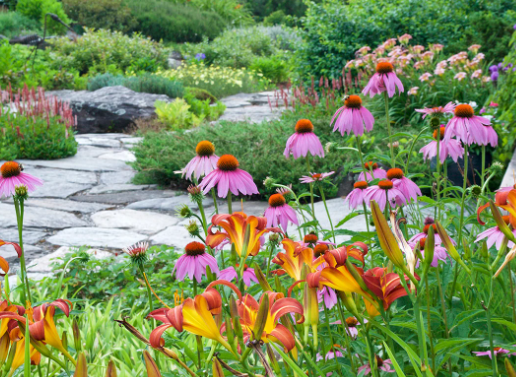
Creating a sustainable pollinator garden is an excellent way to support local wildlife while beautifying your outdoor space. By selecting the right plants and incorporating eco-friendly practices, you can create a thriving habitat for bees, butterflies, and other crucial pollinators.
1. Choosing the Right Plants
When designing a pollinator garden, selecting native plants is crucial. Native species are adapted to your local climate, soil, and conditions, making them more resilient and easier to care for. They also provide the best food sources for local pollinators, such as nectar and pollen, which are essential for their survival.
Your plant selection should include a variety of flowering plants that bloom at different times throughout the growing season. This ensures that there are always food sources available for pollinators. For instance, consider planting early bloomers like crocuses and late-stage flowers like asters to extend the flowering season.
-
- Research native plants specific to your region.
-
- Include a mix of perennials, wildflowers, and shrubs.
-
- Focus on plants that provide abundant nectar and pollen.
-
- Consider plant height for better layering and sunlight exposure.
2. Creating a Suitable Habitat
In addition to planting flowers, it’s vital to create an environment that attracts and supports pollinators. This can mean providing food, water, and shelter. Consider adding water sources, like shallow dishes filled with pebbles, to give insects a safe place to drink. This small addition can make a big difference.
Including features such as brush piles, logs, or rocky areas can provide refuge for various pollinators. These structures can serve as nesting spots for ground bees and other solitary pollinators. Additionally, avoiding the use of pesticides and herbicides will aid in preserving the health of your garden and its visitors.
-
- Install shallow water sources for drinking and hydration.
-
- Provide sheltered areas with logs and rocks.
-
- Avoid chemical pesticides to protect wildlife.
-
- Leave some areas of the garden untended for natural habitats.
3. Seasonal Maintenance and Community Involvement
Moreover, community involvement can amplify the impact of your efforts. Host workshops or garden tours to educate others about the importance of pollinator gardens. Collaborations with local schools or community groups can lead to collective gardening efforts, thus expanding the habitat for local wildlife.
-
- Establish a seasonal maintenance calendar.
-
- Encourage community participation through workshops.
-
- Share gardening tips and knowledge with neighbors.
-
- Create social media pages to showcase your garden’s progress.
In conclusion, designing a sustainable pollinator garden is a fulfilling endeavor that not only beautifies your space but also contributes to the well-being of essential wildlife. Start planning today, and consider joining local groups to inspire and support your gardening journey.