Creating a backyard sanctuary for bees and butterflies is not only a beautiful addition to your garden but also a vital step in supporting local ecosystems. These pollinators play a critical role in plant reproduction and food production. By making simple changes in your outdoor space, you can contribute significantly to their survival.
1. Choose the Right Plants
Selecting native plants is crucial for attracting bees and butterflies to your backyard. Native flowering plants provide the necessary nectar and pollen that these insects require. Additionally, native species are often better adapted to local conditions, making them easier to maintain and more likely to thrive.
Consider plants that bloom at different times throughout the year to ensure a continuous food supply. For example, asters, coneflowers, and milkweed can attract various pollinator species. Furthermore, incorporating a mix of colors and scents can enhance the appeal of your garden, drawing in more visitors.
-
- Research local native plants suited for your region.
-
- Plant flowers in clusters to make them more visible.
-
- Include a variety of blooming times for year-round interest.
-
- Consider incorporating host plants for butterfly larvae.
-
- Avoid using non-native invasive species that can harm local ecosystems.
2. Provide Water Sources
Bees and butterflies need a reliable source of water just like any other living creature. A small water feature, birdbath, or even a shallow dish filled with water can suffice. Ensure the water is shallow enough for these insects to safely drink without drowning.
Adding stones or pebbles to your water source can create landing spots for these delicate creatures. It’s essential to keep your water source clean and fresh, changing the water regularly to prevent stagnation and mosquito breeding.
-
- Use shallow dishes or birdbaths to provide accessible water.
-
- Add stones or gravel for landing pads.
-
- Regularly change the water to maintain cleanliness.
-
- Position the water source in a sunny location to attract more visitors.
-
- Consider creating a small pond for a more natural environment.
3. Create Shelter and Habitat
Providing shelter is essential for the survival of bees and butterflies in your backyard. Overhead structures, dense plantings, and native shrubs can offer protection from predators and harsh weather conditions. Additionally, leaving undisturbed areas of bare ground will accommodate ground-nesting bees.
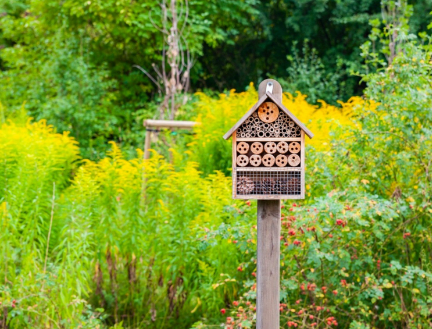
Consider installing bee hotels or bug houses to provide nesting opportunities. These structures can be as simple or complex as you like and can include bamboo tubes or specially designed wooden blocks. The more diverse the habitats you offer, the more likely you’ll attract various species.
-
- Designate areas in your garden for wildflowers and tall grasses.
-
- Create or purchase bee hotels to encourage nesting.
-
- Provide logs, leaves, and brush piles for additional shelter.
-
- Avoid using strong pesticides that can harm beneficial insects.
-
- Plant hedges or tall plants to serve as windbreaks.
4. Avoid Pesticides and Chemicals
Pesticides and chemicals can be detrimental to bees and butterflies. Many common garden chemicals are toxic to these essential pollinators, leading to population declines. Opting for organic gardening methods not only protects these insects but also supports a more sustainable approach to gardening.
Instead of pesticides, consider natural alternatives such as introducing beneficial insects like ladybugs or using neem oil for pest problems. Maintaining a healthy ecosystem through companion planting and crop rotation can further reduce pest issues without endangering pollinators.
-
- Research and choose organic pest control options.
-
- Implement companion planting to deter pests naturally.
-
- Encourage natural predators in your garden.
-
- Monitor plants regularly for early pest detection.
-
- Utilize barriers such as row covers when necessary.
5. Encourage Education and Community Involvement
Transforming your backyard into a sanctuary for bees and butterflies is a wonderful opportunity to engage with your community. Sharing your knowledge and encouraging others to create similar spaces can lead to a greater positive impact on local ecosystems. Consider hosting community workshops or starting a neighborhood garden club focused on pollinator protection.
Additionally, keep track of the different species you observe in your sanctuary. Citizen science initiatives can help researchers understand pollinator populations and their health trends. By spreading awareness, you can inspire others to play a role in conservation.
-
- Open your garden for local workshops or tours.
-
- Share your butterfly and bee sightings with local conservation groups.
-
- Engage with schools to incorporate pollinator education.
-
- Collaborate with neighbors to establish a neighborhood pollinator garden.
-
- Utilize social media to share tips and successes.
Creating a backyard sanctuary for bees and butterflies is a rewarding endeavor that benefits both your local environment and your gardening experience. By implementing these strategies, you can help nurture and support these essential pollinators for years to come. Start today, and invite your neighbors and friends to join in on this important mission!