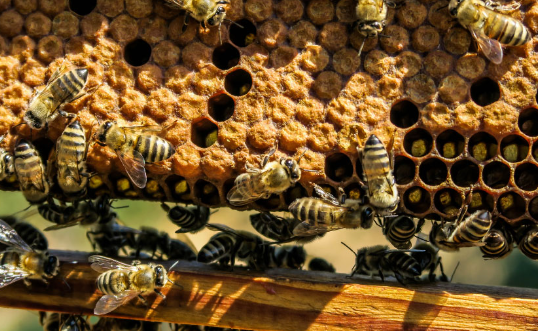
Keeping bees visiting your garden not only helps the ecosystem but also boosts your garden’s productivity. By understanding what attracts bees and implementing a few strategies, you can create a haven for these vital pollinators. Here’s how to ensure your garden is buzzing with activity.
1. Choose the Right Plants
The key to attracting bees is in the selection of plants. Bees are particularly drawn to brightly colored flowers that are rich in nectar and pollen. Plants like lavender, sunflowers, and marigolds are fantastic options that provide both beauty and sustenance. Additionally, consider planting flowers in clusters, as bees prefer to gather in one location rather than flitting between scattered plants.
It’s vital to have a diverse range of blooms that resonate with the bees throughout different seasons. Early bloomers like crocuses can entice bees out of hibernation in spring, while asters provide a late-season food source. Also, native flowering plants tend to attract local bee species more effectively than exotic varieties.
-
- Research local bee-friendly plants.
-
- Plant in groups or clusters.
-
- Include a mix of early, mid, and late bloomers.
-
- Opt for native plants whenever possible.
-
- Consider the color and fragrance of flowers.
2. Create a Bee-Friendly Environment
Bees thrive in environments that offer relative safety and comfort. This means creating a garden that minimizes disturbances and potential threats. Avoid using pesticides, as many of these chemicals can harm bees. Instead, practice natural pest control methods such as introducing beneficial insects or using organic solutions.
Another key factor is providing shelter for bees. This can be as simple as leaving patches of bare soil for ground-nesting bees or adding bee hotels where solitary bees can rest and lay their eggs. Having small trees or shrubs around the garden can also serve as windbreaks, making your garden more inviting for these pollinators.
-
- Avoid using pesticides and harsh chemicals.
-
- Implement natural pest control methods.
-
- Leave some undisturbed areas for nesting.
-
- Include bee hotels for solitary bees.
-
- Ensure your garden is sheltered from harsh winds.
3. Provide Water Sources
A consistent water source can be a magnet for bees. They require water not only for hydration but also for diluting honey and maintaining the proper hive temperature. A simple birdbath or shallow dish filled with water can suffice; just make sure to add stones or marbles for bees to land on safely and avoid drowning.
In addition to a basic water source, consider incorporating small fountains or water features that create gentle splashes. The sound of flowing water can attract bees, making your garden even more appealing as a habitat. Keep the water source clean and regularly refill it to maintain its usefulness throughout the warmer months.
-
- Provide a shallow dish or birdbath with stones.
-
- Consider adding a small fountain for visual and auditory attraction.
-
- Keep water sources clean and fresh.
-
- Monitor and refill water regularly during hot weather.
-
- Place the water source near flowering plants.
4. Encourage Biodiversity
Biodiversity in your garden not only benefits bees but supports a wide array of other wildlife. Planting a mixture of flowers, shrubs, and trees encourages various species of bees and other beneficial insects to visit your garden. This diversity creates an ecological balance that contributes to a healthier garden.
Additionally, consider incorporating other pollinator-friendly plants like herbs (such as basil and mint), fruit trees, and flowering vegetables. By doing so, you’ll not only help bees but may also increase yields in your vegetable plots. Focusing on biodiversity enhances the overall ecosystem and helps attract a wide variety of pollinators to keep your garden thriving.
-
- Plant a variety of flowering plants and herbs.
-
- Include both native and non-native species.
-
- Grow fruit trees and flowering vegetables.
-
- Rotate crops to maintain soil health and diversity.
-
- Allow some areas to remain wild or unkempt.
By implementing these strategies, you can create an inviting environment for bees, ensuring they frequent your garden. Remember that every small step contributes to a larger impact on the environment. Start attracting these invaluable pollinators today and enjoy the beauty and bounty they bring to your garden.