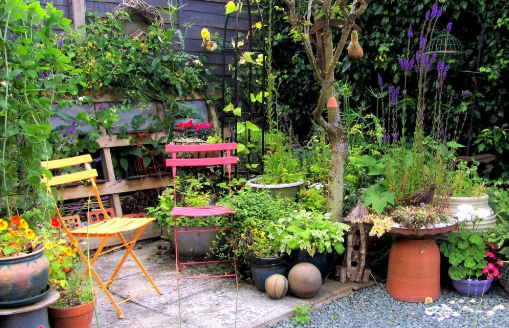
Creating a pollinator garden in your yard is not only a beautiful way to enhance your landscape but also serves a vital role in supporting local ecosystems. These gardens attract essential pollinators like bees, butterflies, and hummingbirds, contributing positively to biodiversity. In this post, we’ll explore practical steps to successfully transform your yard into a thriving pollinator haven.
1. Choose the Right Plants
The cornerstone of any successful pollinator garden is selecting the right plants. Native flowers are often the best choice because they are adapted to local climates and soil conditions, making them easier to care for. These plants also provide the best food sources for local pollinators, as they have evolved alongside them. Consider adding a mix of perennials and annuals to ensure blooms throughout the growing season.
Examples of great native plants include coneflowers, milkweed, and black-eyed Susans. These flowers not only attract pollinators but also contribute to the overall health of your garden by attracting beneficial insects like ladybugs and lacewings. Plan your garden layout to have plants that flower at different times, ensuring that there is a continuous food source for pollinators.
-
- Research local native plants suitable for your area.
-
- Opt for a variety of flower shapes and sizes to accommodate different pollinators.
-
- Plant in clusters to create a more attractive and visible food source.
-
- Incorporate both nectar and pollen-rich flowers.
2. Create a Diverse Habitat
A pollinator garden should offer more than just a variety of plants; it needs to mimic a natural habitat. This involves providing shelter and nesting sites for pollinators. Consider including elements like brush piles, hollow stems, or bee hotels. These features cater to various species, ensuring a thriving ecosystem in your backyard.
Water sources are also critical for pollinator gardens. A simple birdbath or shallow dish filled with pebbles and water can serve as a valuable resource. Providing diverse habitats not only attracts pollinators but also enriches the overall biodiversity of your yard, making it a livelier place.
-
- Include different types of nesting sites, like bee hotels and patches of bare ground.
-
- Create water features that are safe for pollinators to access.
-
- Leave some areas of your yard wild with native grasses and plants.
-
- Maintain various heights of plants and structures in your garden.
3. Maintain Your Pollinator Garden Smartly
Maintenance is crucial for ensuring the longevity and sustainability of your pollinator garden. While many native plants require less care than non-natives, regular monitoring is essential. Keep an eye on your plants for signs of pests or disease, and be careful about what chemical treatments you use; harsh pesticides can be detrimental to pollinators.
Another important aspect of maintenance is seasonal clean-up. It might be tempting to tidy up your garden too much in the fall, but leaving some plants standing can provide overwintering sites for pollinators. In the spring, a simple cut-back of dead stems can allow new growth to flourish while providing habitat for emerging pollinators.
-
- Monitor plant health regularly for pests and diseases.
-
- Avoid using pesticides and herbicides in or near your garden.
-
- Leave some stems and leaves intact during the fall for overwintering pollinators.
-
- Plan a spring clean-up that respects the local ecosystem.
Transforming your yard into a pollinator garden is a rewarding journey that can significantly impact local wildlife. With the right choice of plants, diverse habitats, and smart maintenance, you’ll create a flourishing space that brings beauty and life to your environment. Take this opportunity to engage with nature and enjoy the delightful sights and sounds of your new pollinator paradise!