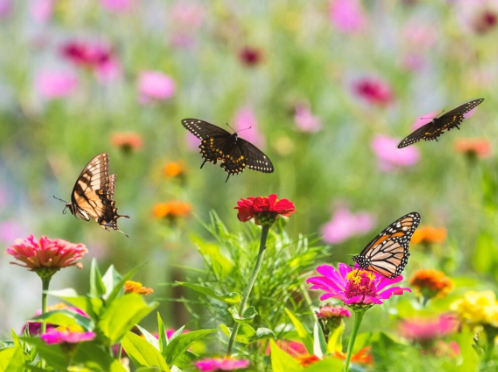
Creating a butterfly-friendly garden can be a delightful way to enhance your outdoor space. By implementing a few targeted strategies, you can attract more butterflies and enjoy their beauty while also supporting these important pollinators.
1. Choose the Right Plants
To attract butterflies, it’s crucial to select plants that provide both nectar and sustenance for their larvae. Native flowering plants tend to be favorites, as they are well-adapted to your local environment. Consider planting a variety of species with different blooming times to ensure a continuous food source throughout the seasons.
Some excellent choices include Milkweed, which is the primary food source for Monarch caterpillars, and various asters, coneflowers, and zinnias that attract a range of butterfly species. Incorporate plants with different colors and shapes to appeal to diverse butterflies. For example, flat-topped flowers allow butterflies to land easily and access nectar.
-
- Plant native species to your area.
-
- Include a mix of annual and perennial plants.
-
- Choose plants that flower at different times of the year.
-
- Add host plants for caterpillars, like Milkweed for Monarchs.
-
- Ensure to provide plants in clusters for better visibility and access.
2. Provide Water Sources
Butterflies require water, not just for drinking but also to help regulate their body temperature. You can create a shallow water feature or a simple butterfly puddler in your garden. Fill a shallow dish with sand and water to allow butterflies to land safely and sip without drowning.
Ensure the water source is clean and refreshed regularly, as stale water can attract unwanted pests. Adding some rocks or pebbles can create additional perching areas for butterflies to rest while they hydrate. This little detail can make a significant difference in keeping your garden a preferred spot for these vibrant creatures.
-
- Create a shallow water puddler with sand and water.
-
- Regularly clean the water source.
-
- Use stones to create landing pads near the water.
-
- Place water features in sunny spots for warmth.
-
- Monitor the water level and top up as needed.
3. Reduce Pesticide Usage
Pesticides can be harmful not only to butterflies but to the entire ecosystem. Many commonly used pesticides are toxic to these beautiful pollinators at all life stages. As such, it’s vital to adopt natural pest control methods whenever possible. For example, you can introduce beneficial insects like ladybugs and lacewings that help manage pests without harming butterflies.
Consider using organic gardening techniques. Options include neem oil or insecticidal soaps for pest management. Additionally, companion planting can deter pests while attracting butterflies. For example, planting marigolds can help keep certain bugs away while simultaneously inviting in butterfly visitors.
-
- Limit or eliminate the use of chemical pesticides.
-
- Use organic pest control methods.
-
- Encourage beneficial insects in your garden.
-
- Consider companion planting to deter pests.
-
- Monitor plants for signs of pests regularly.
4. Create a Shelter
Butterflies, like many creatures, need refuge from predators and harsh weather. You can provide shelter by including dense shrubs, tall grasses, and ornamental features like trellises or fences in your garden layout. This not only improves the habitat for butterflies but also adds visual interest to your outdoor space.
Additionally, consider leaving some areas of your garden slightly wild. Piles of leaves, small logs, or stalks can be beneficial habitats for butterflies and caterpillars. Not only will this create a cozy retreat for butterflies but can also enhance overall biodiversity in your garden.
-
- Incorporate dense shrubs and tall grasses for shelter.
-
- Provide logs or leaf piles in sheltered areas of the garden.
-
- Keep a few patches of wildflowers and native plants.
-
- Use fencing or trellises to create sheltered spaces.
-
- Avoid overly manicured areas that lack shelter.
5. Educate Others and Observe
Creating a butterfly garden doesn’t end with planting; sharing your knowledge can help expand awareness about the importance of these insects. By educating friends, family, and community members, you can encourage others to create their butterfly habitats as well. This collective effort can lead to larger habitats and improved environments for butterflies overall.
Additionally, take the time to observe the butterflies that visit your garden. Keep a journal noting the species and their behaviors. This will enhance your appreciation of these beautiful creatures and help you identify what works best in attracting them to your garden.
-
- Share knowledge about butterfly conservation with others.
-
- Organize community gardening workshops focused on butterflies.
-
- Observe and record butterfly species in your garden.
-
- Participate in citizen science projects related to butterflies.
-
- Encourage others to share their experiences and tips.
In conclusion, creating a butterfly-friendly garden is a fulfilling endeavor that enhances both your space and the local ecosystem. Start making these changes today, and you’ll soon find butterflies flocking to your garden, showcasing their beauty and helping to pollinate your plants. Happy gardening!