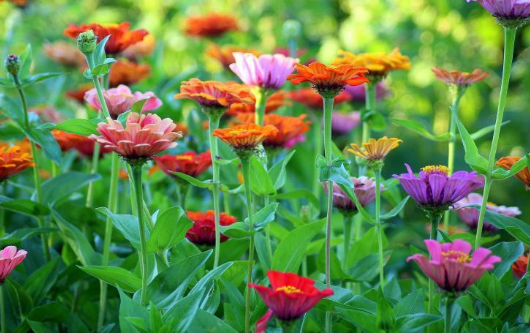
Creating a Pollinator Paradise Garden not only beautifies your yard but also plays a crucial role in supporting local ecosystems. Pollinators like bees, butterflies, and hummingbirds are essential for the reproduction of many plants, making their conservation vital. Here’s how to successfully build a garden that attracts and nurtures these important creatures.
1. Choosing the Right Plants
One of the foundational elements of a pollinator garden is selecting the right plants. Native flowers are particularly effective, as they have evolved alongside local pollinators and provide the pollen and nectar that they need. Some excellent choices include coneflowers, black-eyed Susans, and native milkweed, each known for attracting specific pollinator species.
In addition to native plants, consider incorporating a variety of bloom times to ensure that something is always in flower from spring through fall. This not only maximizes the food supply for pollinators but also ensures a continuous cycle of pollination for your plants. For example, you can combine early bloomers like crocus with late-season flowers like asters, enhancing both beauty and biodiversity in your garden.
-
- Research and select native plants that thrive in your local soil and climate.
-
- Mix flowering plants with different bloom times for year-round activity.
-
- Include both perennial and annual flowers to maintain diversity.
-
- Use group plantings of the same species to enhance visibility and foraging efficiency for pollinators.
2. Creating Shelter and Habitat
Pollinators need more than just food; they also require shelter and nesting sites. By incorporating elements like brush piles, bee hotels, and stone walls, you can create microhabitats that offer safety and protection. For instance, bee hotels made from hollow reeds or drilled logs can provide essential nesting sites for solitary bees, which are crucial for pollination.
Moreover, leaving some areas of your garden wild can benefit a variety of pollinators. Allowing a section of tall grass or wildflowers to flourish can be an excellent habitat for butterflies and other beneficial insects. You can also create a water source, like a shallow dish with stones, that gives pollinators a place to hydrate without drowning.
-
- Incorporate natural materials like wood, stone, and dead plants into your landscape.
-
- Create bee hotels using untreated wood and hollow tubes.
-
- Leave patches of tall grass or undisturbed areas for nesting.
-
- Add birdbaths or small water features to provide hydration.
3. Avoiding Pesticides
To maintain a healthy pollinator garden, it’s essential to avoid the use of pesticides and herbicides. These chemicals can harm beneficial insects, disrupt the food chain, and even contaminate the soil and water sources used by your plants and animals. Explore alternative methods like integrated pest management (IPM), which uses natural predators and biological controls instead of harmful chemicals.
For those struggling with garden pests, consider introducing beneficial insects such as ladybugs or predatory wasps that can keep harmful populations in check. Additionally, removing infested plants by hand or using natural deterrents like neem oil can be an effective strategy while keeping the garden safe for pollinators.
-
- Practice organic gardening techniques by using natural pest deterrents.
-
- Monitor your garden regularly for pests and act quickly.
-
- Educate yourself on local pest species and their natural predators.
-
- Consider companion planting to naturally repel unwanted insects.
4. Providing Continuous Resources
To keep pollinators coming back, it’s essential to provide continuous resources throughout the seasons. This involves planting a diverse array of flowers that bloom at different times of the year, but it also includes considering their needs in terms of food, shelter, and water. Regularly updating your garden plan based on seasonal changes can help attract a wider variety of species.
Additionally, consider planting a mix of flowering herbs, which not only attracts pollinators but can also enhance your cooking. Lavender, thyme, and mint are great options, as they also provide aromatic benefits for your culinary adventures. By offering these continuous resources, you can cultivate a dynamic environment that thrives on biodiversity.
-
- Develop a seasonal planting schedule to ensure year-round blooms.
-
- Include a variety of flower types and colors to attract different pollinators.
-
- Incorporate edible plants that also serve as nectar sources.
-
- Rotate plants monthly or seasonally to keep the habitat fresh and engaging.
In conclusion, building a Pollinator Paradise Garden is a rewarding endeavor that supports biodiversity while providing a beautiful and thriving outdoor space. By following these practical steps, you can create a habitat that draws in pollinators year-round. Don’t hesitate to start your journey toward a more sustainable garden today!