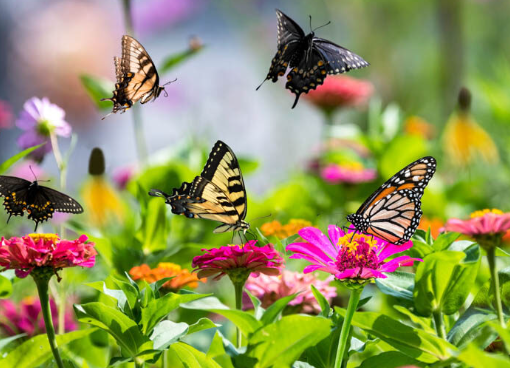
Creating a butterfly garden is not just about choosing the right flowers, but also about selecting the right colors to attract these beautiful creatures. Color plays a significant role in drawing various butterfly species, and understanding the best combinations can enhance your garden’s appeal. Here are some tips and combinations that can help you design a butterfly-friendly space.
1. Warm Color Combinations
Warm colors, such as reds, oranges, and yellows, are particularly effective in attracting butterflies. Flowers like marigolds, zinnias, and sunflowers can create a vibrant display that entices many butterfly species. It’s important to group these colors together to create a striking visual impact. For instance, planting clusters of orange and yellow marigolds alongside red zinnias can create a stunning focal point in your garden, making it irresistible for butterflies.
Additionally, warm colors can evoke feelings of excitement and energy, mirroring the abundance of nectar available. Species like the monarch butterfly are particularly attracted to warm hues. Including plants like butterfly bush and lantana can further enhance the appeal to these winged pollinators. Balance the colors with some greenery to provide a natural backdrop that highlights their vibrant beauty.
-
- Choose flowers in hues of red, orange, and yellow.
-
- Cluster similar colors together for maximum impact.
-
- Mix in plants like marigolds and sunflowers.
-
- Incorporate greenery to contrast with bright colors.
-
- Consider bloom times to have ongoing color throughout the season.
2. Cool Color Combinations
Cool colors, such as blues, purples, and whites, can create a calming environment that attracts a different array of butterfly species. Flowers like asters, lavender, and forget-me-nots are not only visually appealing, but they also offer ample nectar. Mixing these colors with warm tones can create an inviting space that balances vibrancy with tranquility. For instance, planting blue asters alongside white daisies can provide a serene yet colorful backdrop appealing to various butterflies.
Certain butterflies, like the swallowtail, are particularly drawn to cool colors, especially blues and purples. Having a variety of these colors will not only create a visually pleasing atmosphere but also encourage different butterfly species to visit. Ensure your garden includes a mixture of annuals and perennials to maintain a continuous source of nectar throughout the growing season.
-
- Incorporate shades of blue, purple, and white in your garden.
-
- Plant varieties like lavender and forget-me-nots for nectar.
-
- Combine cool and warm colors for contrasting effects.
-
- Ensure a mix of annuals and perennials for ongoing blooms.
-
- Utilize native plants to enhance local butterfly habitats.
3. Combining Patterns for Diversity
Creating a butterfly garden with a mix of both warm and cool colors can be particularly beneficial. The diversity not only attracts a wider variety of butterflies but also brings in beneficial pollinators and insects. Patterns can involve layers of planting, where you alternate warm and cool colors or create a gradient effect. For example, you can plant in a circular pattern, starting with bright reds and moving into warm oranges, followed by cooler blues and whites.
Incorporating different flower types and heights will create interest and attract butterflies with varying preferences. Remember that butterflies are visual creatures that appreciate variety. By designing your garden with intentional color flows and patterns, you increase the chances of inviting more butterflies while also ensuring a stunning aesthetic appeal throughout your garden space.
-
- Mix both warm and cool colors for diversity.
-
- Consider creating patterns with your flower arrangements.
-
- Plant in layers for visual depth and interest.
-
- Use different flower types to cater to varied butterfly species.
-
- Ensure you have a variety of heights for added texture.
In conclusion, designing a butterfly garden with the best color combinations can significantly enhance your gardening experience and help create a welcoming habitat for these beautiful insects. By paying attention to warm and cool colors, as well as combining patterns for diversity, you’ll not only attract butterflies but also create a stunning visual environment. Start planning your butterfly garden today and watch your space come alive!