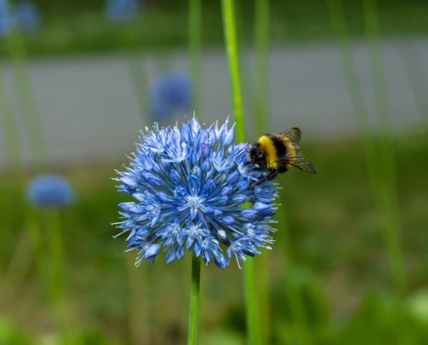
Creating a bee garden filled with fragrant flowers is not only a way to beautify your outdoor space but also a crucial step in supporting local pollinators. Bees are essential for the health of our ecosystems, and planting the right flowers can significantly contribute to their well-being. In this blog post, we will explore various fragrant flowers that attract bees and how to incorporate them into your garden.
1. Lavender: A Bees’ Delight
Lavender is one of the most popular flowers known for its pleasant aroma and vibrant purple blooms. This perennial plant thrives in sunny spots and well-drained soil, making it a perfect addition to any bee garden. The fragrance from lavender not only draws in bees but also other beneficial insects, ensuring a robust pollinator population in your garden. Additionally, the flowers bloom from late spring to early summer, providing a steady food source for bees during this crucial time.
Planting lavender can also enhance your garden aesthetically. It pairs well with other colorful blooms and its silvery-green foliage adds contrast, making for a visually appealing space. To grow lavender successfully, ensure you prune it annually to encourage new growth and maintain a manageable shape for your garden. This fragrant flower is quite drought-resistant, allowing you to enjoy its beauty with minimal watering.
-
- Choose a sunny location for planting.
-
- Ensure well-drained soil to prevent root rot.
-
- Prune lavender regularly after flowering.
-
- Water moderately; lavender prefers dry conditions.
-
- Consider planting different lavender varieties for extended blooming.
2. Bee Balm: A Botanical Magnet
Bee Balm, or Monarda, is a vibrant perennial that not only attracts bees but also butterflies and hummingbirds. With its striking red, pink, and purple flowers, it offers a glorious spectacle in any garden. This plant is named after its ability to attract bees, making it a must-have for any bee lover. Bee Balm blooms from mid-summer to fall, providing bees with a late-season nectar source when flowers are becoming scarce.
Aside from its ability to attract pollinators, Bee Balm is also a hardy plant resistant to many common garden pests. It prefers a sunny location and likes moist, well-drained soil. Bee Balm can spread quickly, so consider planting it in a designated area where it can roam freely or use barriers to keep it contained, ensuring a colorful and fragrant display without overwhelming your garden space.
-
- Plant Bee Balm in clusters to create a striking visual impact.
-
- Keep the soil consistently moist for optimal growth.
-
- Deadhead spent flowers to encourage more blooms.
-
- Control its spread by using edging or barriers.
-
- Choose varieties that are hardy in your climate zone.
3. Marigold: A Colorful Companion
Marigolds are not only colorful additions to your garden but also highly beneficial to bees. With their bright orange and yellow hues, they are easily noticeable and attract various pollinators. Marigolds bloom from spring until the first frost, providing a long-lasting nectar source. They are also known to repel certain pests, creating a healthier ecosystem for your garden while still inviting bees.
This adaptable flower can thrive in different soil types and conditions, though it prefers full sun and well-drained soil. Marigolds are also easy to maintain, making them a great choice for beginner gardeners. Plant them alongside other fragrant flowers to ensure a continuous bloom throughout the growing season, contributing to a flourishing bee garden.
-
- Plant Marigolds in sunny areas for best results.
-
- Mix with other companion plants to deter pests naturally.
-
- Water regularly, especially during dry spells.
-
- Succession plant for extended blooming seasons.
-
- Consider deadheading to encourage continuous flowering.
4. Echinacea: The Resilient Beauty
Echinacea, or Coneflower, is a stunning and resilient flower known for its medicinal properties and charming appearance. Its daisy-like blooms in shades of pink, purple, and white can brighten up any garden while attracting bees and butterflies. Echinacea blooms from mid-summer to fall, offering a vital nectar source for bees during the crucial late blooming season.
This perennial is drought-tolerant and thrives in poor soil conditions, making it an ideal choice for low-maintenance gardens. Echinacea plants can grow quite tall, providing a dramatic vertical element to your garden design. Regular deadheading can encourage new growth and prolong flowering, making it a superb investment for bee-friendly gardening.
-
- Plant Echinacea in well-drained soil with sunlight exposure.
-
- Space plants adequately to allow for their height and spread.
-
- Deadhead flowers to encourage further bloom cycles.
-
- Consider planting in groups for a more stunning visual effect.
-
- Fertilize minimally to encourage strong, resilient growth.
Creating a fragrant bee garden is a wonderful way to support pollinators while adding beauty to your outdoor space. By selecting the right plants like lavender, bee balm, marigold, and echinacea, you can cultivate an inviting habitat for bees. Start your floral journey today and contribute to the well-being of these essential creatures.