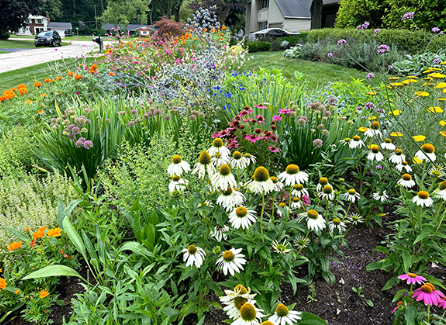
Creating a pollinator-friendly garden is more than just planting a few bright flowers; it involves ongoing maintenance that supports these vital creatures year-round. By following some simple practices, you can nurture an environment that attracts bees, butterflies, and other pollinators while enhancing the beauty of your landscape.
1. Choosing the Right Plants
The foundation of any pollinator-friendly garden is the selection of plants. It’s essential to choose native species that bloom at different times throughout the season to provide a continuous source of food. For instance, wildflowers like coneflowers, bee balm, and asters are excellent choices. They not only attract pollinators but are also adapted to your local soil and climate, requiring less maintenance and watering.
Diversity is key; include a mix of annuals, perennials, and shrubs that produce straight nectar or pollen. Some plants even have unique features, like a tubular shape, specifically designed for certain pollinators. Ensure that you check the local hardiness zones to maximize the survivability of your plants.
-
- Research native plants for your area.
-
- Fill your garden with a variety of blooms for different seasons.
-
- Include plants with varying flower shapes to attract diverse pollinators.
-
- Avoid hybrid varieties that may have sterile blooms.
2. Sustainable Practices in Garden Maintenance
In maintaining your pollinator-friendly garden, it’s crucial to practice sustainability. This means limiting the use of synthetic pesticides and fertilizers, as they can be harmful to pollinators. Instead, consider natural alternatives like neem oil or insecticidal soap to manage pests organically. Embracing a composting routine can also enrich the soil while reducing waste.
You can further promote biodiversity by creating microhabitats within your garden—like leaving a patch of soil undisturbed for ground-nesting bees or allowing some dead wood to remain for beetles. These small, intentional practices can create a sanctuary for pollinators and increase your garden’s overall resilience to pests and diseases.
-
- Use natural pest control methods instead of toxic chemicals.
-
- Implement a compost system for nutrient-rich soil.
-
- Preserve some wild spaces within your garden.
-
- Rotate plants annually to prevent soil depletion.
3. Creating Suitable Habitats
A pollinator’s habitat should offer safety and comfort, which can be achieved through thoughtful garden design. Consider adding elements such as water sources, like shallow dishes filled with pebbles, which provide hydration without the risk of drowning. Additionally, incorporating varied heights in plant materials and open spaces for flying provides essential flight paths for insects.
Including structures like bee hotels can provide nesting sites for solitary bee species. These are simple to construct and can be made from materials like wood blocks, hollow reeds, and other natural components. By showcasing these habitats, you create a supportive environment that can lead to increased pollinator populations over time.
-
- Provide shallow water dishes with pebbles for accessibility.
-
- Consider making or purchasing bee hotels.
-
- Design your garden with varied plant heights for more habitat areas.
-
- Encourage climbing plants to create vertical spaces.
4. Monitoring and Adjusting Your Garden
Regular monitoring of your garden plays a crucial role in ensuring a thriving environment for pollinators. Keep track of what plants attract the most pollinators and observe any pests. This practice can help you decide if adjustments need to be made regarding plant placement or introducing new species. A well-documented garden allows you to see patterns, leading to informed decisions.
Consider recording your observations in a garden journal. Note any blooming times, pollinator visits, and the effectiveness of your sustainable practices. By engaging in this reflective process, you’re better equipped to create a nurturing environment that not only benefits pollinators but also enhances your gardening experience.
-
- Keep a garden journal to track plant performance and pollinator activity.
-
- Make note of pests and consider adjusting your approaches accordingly.
-
- Conduct seasonal evaluations to enhance biodiversity.
-
- Engage with local gardening groups for input and advice.
Creating a pollinator-friendly garden is an ongoing journey that invites various practices and mindful engagement. By choosing the right plants, adopting sustainable methods, creating suitable habitats, and monitoring your efforts, you can significantly impact local pollinator populations. Start transforming your garden today, and contribute to a healthier ecosystem!