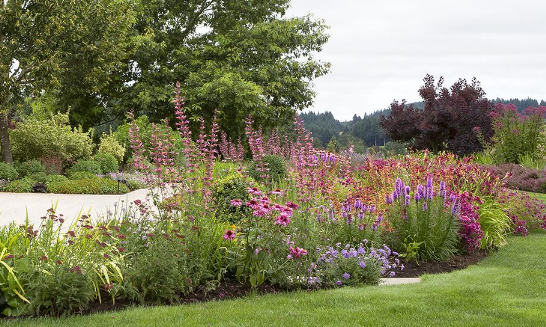
Creating a modern pollinator garden is a fantastic way to support local ecosystems while enjoying the beauty of diverse plants. These gardens attract bees, butterflies, and other essential pollinators, contributing to a healthy environment. Here are some inspiring ideas and practical tips to help you design your own vibrant pollinator paradise.
1. Selecting the Right Plants
Choosing plants that are native to your region is crucial for the success of your pollinator garden. Native plants are already adapted to the local climate and soil, making them more resilient and generally lower maintenance. Additionally, these plants provide the nectar and pollen that local pollinators have evolved to thrive on, ensuring a rich and inviting habitat for them.
Consider incorporating a variety of plants that bloom at different times throughout the growing season. This way, you’ll provide food sources for pollinators from spring through fall. For instance, early blooms like crocuses can attract bees as they emerge from hibernation, while late-season flowers like asters offer vital resources as temperatures drop.
-
- Research native plants specific to your area.
-
- Select plants with varying bloom times.
-
- Include host plants for caterpillars.
-
- Opt for different flower shapes and sizes.
2. Designing for Pollinator Accessibility
Your garden’s layout and design play an essential role in ensuring that pollinators can easily access the plants. Avoid using chemical pesticides, as these can be harmful to insects and negate your efforts. Instead, focus on creating an inviting space that allows pollinators to thrive. Consider planting in clusters rather than singles; this allows pollinators to gather food easily without having to travel too far.
Adding elements like shallow water sources can also encourage pollinators to frequent your garden. Creating small puddles by filling shallow dishes with stones and water not only helps attract bees and butterflies but also provides a drinking source, making your garden a hotspot for pollinator activity. An aesthetically pleasing design will not only benefit pollinators but also enhance your outdoor space.
-
- Plant flowers in groups or drifts.
-
- Avoid using chemical pesticides.
-
- Incorporate shallow water sources.
-
- Create sheltered areas for resting.
3. Incorporating Structural Features
Beyond just plants, adding structural features to your garden can greatly enhance its appeal to pollinators. Building habitats like bee hotels, which provide nesting spots for solitary bees, can support local populations. Additionally, consider integrating features like logs, stones, or brush piles, which can serve as habitats for various insects and small wildlife, enriching the biodiversity of your garden.
Another thoughtful addition is a pollinator pathway, which acts as a corridor that connects different floral resources. This can be as simple as using gravel or stepping stones that guide visitors through your garden while creating a cohesive structure. Providing diverse environments encourages various pollinators to take up residence in your garden.
-
- Build bee hotels using untreated wood.
-
- Add natural elements like logs and stones.
-
- Create a pollinator pathway for easy navigation.
-
- Incorporate vertical elements, like trellises, covered in climbing plants.
4. Engaging in Community Efforts
Engaging with the community can amplify the effects of your personal pollinator garden. Many local gardening groups or environmental organizations hold workshops and events focused on promoting pollinator habitats. Participating in these initiatives can help spread awareness while learning from others who share your passion for pollination support.
Initiating or joining a community garden project can also provide additional resources and support. Collaborating with local gardeners can foster a sense of community while generating more significant efforts toward pollinator conservation. Additionally, you may find opportunities to educate others in your community about the importance of pollinators and how to care for them.
-
- Join local gardening clubs or community groups.
-
- Participate in workshops on pollinator gardening.
-
- Share your knowledge with friends and neighbors.
-
- Start a community garden focused on pollinator support.
Modern pollinator gardens not only enrich our landscapes but also play a vital role in sustaining our environment. By carefully selecting native plants, designing accessible spaces, incorporating structural features, and engaging with your community, you can create a thriving habitat that supports essential pollinators. Take the next step and start your pollinator garden today—it’s a rewarding endeavor for you and the environment alike!