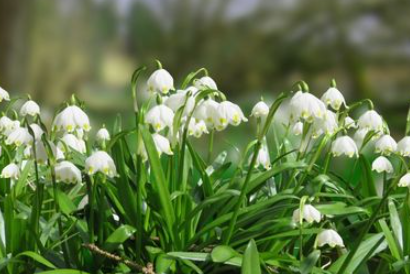
As the frost melts and the days grow longer, early spring heralds the arrival of blooming flowers that serve as vital food sources for pollinators. These flowers are crucial for supporting bees, butterflies, and other insects that contribute to a thriving ecosystem. Understanding and cultivating these early spring pollinator flowers can help ensure that our gardens and communities flourish.
1. Crocus
Crocus flowers are among the first to bloom in spring, often pushing through the still-frozen ground. These vibrant blossoms come in various colors, including purple, yellow, and white, providing a much-needed boost of color among the drab landscape. Rich in nectar, crocuses attract a wide array of pollinators, especially bees that emerge early in the season.
Planting crocus bulbs in well-drained soil with full sun or partial shade will ensure a healthy display come springtime. They typically bloom from late February to early April, depending on the climate. Not only are crocuses visually appealing, but they are also low-maintenance, making them an excellent choice for novice gardeners looking to support pollinators.
-
- Choose a sunny or partially shaded location.
-
- Ensure well-drained soil to prevent rot.
-
- Plant bulbs in clusters for a more natural look.
-
- Water lightly after planting to promote growth.
-
- Consider companion planting with other spring flowers.
2. Snowdrop
Snowdrops are delicate, nodding flowers that emerge even before the snow has completely melted. Their white, teardrop-shaped petals are often a sign that spring is on the way, and they’re one of the few flowers that bloom in cool weather. Snowdrops are a fantastic source of nectar for early-emerging bees, helping to sustain them in their critical first weeks of life.
Planting snowdrop bulbs in shaded or partly shaded areas will yield the best results. These hardy little flowers prefer well-draining soil, and they can naturalize over time, spreading beauty throughout your garden. Snowdrops bloom from late winter to early spring, adding to the seasonal transformation that attracts curious pollinators.
-
- Plant in clusters to create a more inviting pollinator habitat.
-
- Opt for a location with dappled sunlight.
-
- Leave some fallen leaves in the area to maintain moisture.
-
- Monitor for pests and remove them as needed.
-
- Consider planting snowdrops alongside other spring blooms for diversity.
3. Glory of the Snow (Chionodoxa)
Glory of the Snow is a charming perennial that produces stunning blue and white star-shaped flowers. These flowers are not only beautiful but are also significant for attracting early spring pollinators, including butterflies and bees. They thrive in well-drained soil and can withstand colder temperatures, making them ideal for early-season gardens.
These flowers typically bloom from March to April and are great for naturalizing in grassy areas or among other plants. They prefer sunny spots but can tolerate some shade. Planting Glory of the Snow bulbs adds beauty and provides a vital food source for pollinators looking for sustenance as new life springs forth.
-
- Plant bulbs 3-4 inches deep in the fall.
-
- Water after planting and allow them to establish before winter.
-
- Choose a location that receives full sun for best results.
-
- Remove competing weeds that may choke out growth.
-
- Deadhead spent flowers to promote additional blooms.
4. Winter Aconite (Eranthis hyemalis)
Winter Aconite is a lesser-known flower that adds a splash of yellow to the early spring landscape. These flowers bloom in late winter to early spring, often peeking out through frosty ground cover. Along with being beautiful, Winter Aconite is known for attracting bees that emerge after the long winter slumber, making it essential for pollinator support.
These flowers prefer moist, well-drained soil and can thrive in both sun and shade. They will form a lovely carpet of yellow if planted in clusters. Consider pairing Winter Aconite with snowdrops for an exuberant display of early spring color while also supporting local pollinators.
-
- Plant in groups of at least 10 for an impactful look.
-
- Choose a location with good drainage to prevent rot.
-
- Avoid overwatering; keep the soil moist but not soggy.
-
- Fertilize lightly in early spring to promote growth.
-
- If you’re in a colder area, mulch lightly to protect roots.
5. Hepatica
Hepatica, often called liverleaf, is known for its striking, slender leaves and vibrant flowers that bloom in shades of blue, pink, and white. These early bloomers thrive in wooded areas and are vital for early-season pollinators, especially bees. As Hepatica flowers tend to thrive in cooler temperatures, they begin to blossom as the snow recedes, providing early nutrition for pollinators that are awakening.
Planting hepatica in rich, moist, well-draining soil will yield the best flowering results. They thrive in dappled shade, making them perfect for garden beds that mimic their native woodland habitat. With their ability to spread over time, they can create a stunning natural display in your garden while also providing an essential food resource for pollinators.
-
- Choose a shady spot to replicate its natural habitat.
-
- Incorporate organic matter into the soil for added nutrients.
-
- Water consistently, especially during dry spells.
-
- Avoid overfilling crowded areas; they prefer space.
-
- Consider layering with ferns and other woodland plants.
Incorporating early spring pollinator flowers into your garden not only enhances its beauty but also plays a crucial role in supporting local ecosystems. By selecting the right flowers and planting them strategically, you can create a sanctuary for bees, butterflies, and other essential pollinators. Start today by planning your garden; every flower counts in the fight for biodiversity!