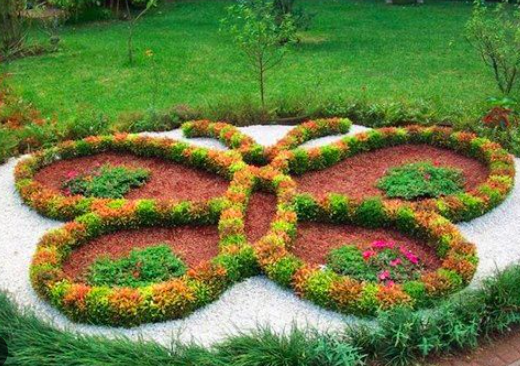
Creating a butterfly garden is a delightful way to connect with nature and support local ecosystems. An inviting flower bed designed specifically for butterflies can transform your outdoor space into a vibrant sanctuary.
1. Selecting the Right Plants
Choosing the right plants is crucial for attracting butterflies. Native plants, which have evolved alongside local butterfly species, offer the best support. These plants provide essential nectar sources for adult butterflies and specific host plants for caterpillars. For example, milkweed is vital for monarchs; without it, they cannot reproduce. Consider your local climate and soil conditions to make the best selection for your garden.
Besides milkweed, other great choices include asters, coneflowers, and butterfly bushes. These not only attract butterflies but also provide a visual feast for the eyes. Plan your flower beds by layering plants for height variation, which can create a more appealing look and habitats for different butterfly species. Ensure you have a mix of bloom times to provide sustenance throughout the growing season.
-
- Research local native butterfly species.
-
- Mix nectar-rich and host plants.
-
- Consider height and bloom times for visual appeal.
-
- Choose organic, pesticide-free options.
2. Designing Your Flower Bed
The design of your flower bed is just as important as the plants you select. Position your flower beds in areas that receive plenty of sunlight, as butterflies thrive in warm conditions. A simple layout can enhance the aesthetic appeal while ensuring that butterflies easily navigate through the garden. Curved, flowing lines rather than rigid, straight rows often mimic natural landscapes, encouraging butterflies to explore.
Moreover, consider creating microhabitats within your flower beds. Incorporating features like rocks, logs, or shallow water sources can offer resting spots and hydration for butterflies. You can also add a few patches of bare soil for butterflies to land and bask in the sun, as they enjoy soaking up warmth. Such thoughtful design makes your garden inviting and supportive for these enchanting creatures.
-
- Choose sunny, sheltered locations.
-
- Design with flowing lines for a natural look.
-
- Add microhabitats for resting and sunbathing.
-
- Incorporate visual elements like rocks or logs.
3. Maintenance and Care for Your Butterfly Garden
Proper maintenance ensures the longevity and health of your butterfly garden. Watering is essential, especially during dry spells; however, aim for deep watering to encourage deep root growth. Regularly deadhead plants to promote new blooms and prevent unwanted seed production. Pests can be a problem, but remember that butterflies are sensitive to chemicals, so opt for natural pest control methods when possible.
It’s also helpful to monitor your garden for signs of caterpillars. While many caterpillars may munch on your plants, they are part of the butterfly’s life cycle and are essential to its survival. If you notice them in your garden, assess whether they belong to the butterflies you wish to attract before deciding to intervene. Keeping a journal to track the butterfly visitors can provide insights on the success of your garden.
-
- Water deeply but infrequently.
-
- Regularly deadhead for continuous blooms.
-
- Monitor for harmful pests naturally.
-
- Track butterfly activity in a journal.
4. Butterflies: The Ecosystem Benefits
Butterflies not only beautify gardens but play a key role in pollination, benefiting many types of plants, including fruits and vegetables. As they flutter from flower to flower, butterflies transfer pollen, helping to sustain both plant life and food sources for other wildlife. Their presence in the ecosystem indicates healthy biodiversity, making them important players in maintaining ecological balance.
Additionally, participating in butterfly conservation fosters awareness about environmental issues. Engaging in butterfly gardening teaches people about the importance of protecting habitats and the species that inhabit them. By creating a butterfly-friendly garden, you contribute to the preservation of local wildlife and promote sustainable gardening practices.
-
- Recognize butterflies as key pollinators.
-
- Participate in local conservation efforts.
-
- Educate others about butterfly gardens.
-
- Report any sightings for citizen science projects.
Crafting a flower bed for a butterfly garden is a rewarding endeavor that provides beauty, ecological benefits, and a sense of connection to nature. Dive into this project with enthusiasm and watch as your garden transforms into a vibrant habitat filled with butterflies. By following these guidelines, you can create an oasis that ensures the survival of these magnificent pollinators.