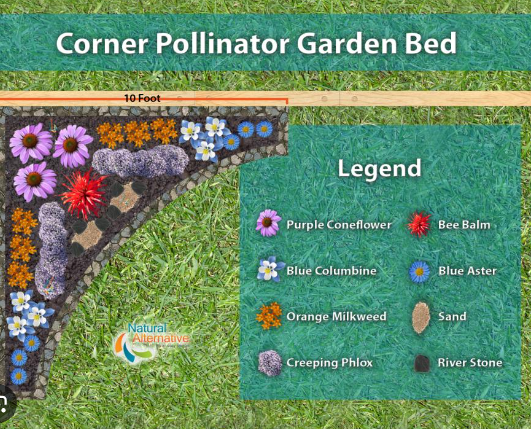
Creating an organic pollinator garden is a wonderful way to support local ecosystems while enjoying the beauty of nature. Not only do these gardens attract vital species like bees, butterflies, and hummingbirds, but they also contribute to enhancing your local environment and promoting biodiversity.
1. Choosing the Right Plants
When planning your organic pollinator garden, selecting the right plants is key. Native plants are particularly beneficial as they have co-evolved with local pollinators, providing the right type of nutrition and habitat they need to thrive. For instance, coneflowers, milkweed, and asters are known to attract a diverse range of pollinators while requiring less maintenance compared to non-native species.
In addition to choosing native flowering plants, consider planting a variety that blooms at different times throughout the growing season. This diversity ensures that there are always flowers available for pollinators, providing them with a consistent source of food. Early bloomers, like crocus and snowdrops, can serve as a crucial food source in late winter and early spring, while late bloomers, such as goldenrod and asters, can help sustain them into autumn.
-
- Research local native plants suitable for your area.
-
- Mix in plants with staggered blooming periods.
-
- Avoid hybrid or double-flowered varieties, as they may not provide nectar or pollen.
-
- Plant in clusters to make it easier for pollinators to find your flowers.
2. Creating a Safe Habitat
An effective pollinator garden isn’t just about flowers; it’s also about providing a safe and nurturing habitat for these important creatures. This includes a variety of other elements such as water sources, shelter, and nesting areas. For example, shallow water dishes filled with pebbles can provide hydration without the risk of drowning. Additionally, leaving patches of bare soil can offer nesting opportunities for ground-nesting bees.
You can further enhance the garden’s appeal by incorporating features like native shrubs and trees that provide shelter and food. Dense foliage can serve as a resting place for pollinators and create a haven free from predators. Including a few logs or dead wood can also support pollinators like beetles and other beneficial insects that contribute to the garden’s overall health.
-
- Provide shallow water dishes for pollinators.
-
- Incorporate logs or rocks for shelter and breeding.
-
- Avoid using pesticides or herbicides to protect pollinators.
-
- Keep areas of bare soil for nesting opportunities.
3. Maintenance and Care
Maintaining your organic pollinator garden is essential for ensuring its long-term success. While these gardens are meant to be low-maintenance, there are still key practices to adopt. Regular weeding is important, as invasive species can compete with the native plants you’ve cultivated. However, it’s best to avoid clean-up practices that might disrupt habitats during certain seasons, especially in early spring when many pollinators emerge.
Another important aspect of maintenance is monitoring soil health. Organic gardening relies on a rich soil ecosystem, which can be enriched with compost and natural fertilizers. Adding organic mulch can help retain soil moisture and suppress weeds, creating a thriving environment for your plants and, consequently, for pollinators. Make sure to be patient, as establishing a healthy garden can take a season or two!
-
- Practice regular weeding without harming beneficial plants.
-
- Add compost annually to improve soil nutrients.
-
- Mulch to reduce weeds and retain moisture.
-
- Monitor pollinator activity to assess the health of your garden.
4. Engaging with Local Community and Conservation Efforts
Engaging with your local community can significantly enhance your efforts in creating an organic pollinator garden. Many communities and environmental organizations host workshops, plant swaps, and presentations about pollinator conservation. By getting involved, you can share your experiences and learn from others while promoting awareness about the importance of protecting pollinators.
Additionally, consider organizing or participating in local conservation initiatives such as creating “bee hotels” or planting community gardens focused on pollinator health. Working together, you can help spread the message about the significance of creating habitats and serving as stewards of the environment, ultimately making a larger impact on pollinator populations in your area.
-
- Join local gardening clubs focused on pollinator conservation.
-
- Participate in community workshops and events.
-
- Collaborate with local schools to educate children about nature.
-
- Spread the word on social media to encourage more people to get involved.
Creating an organic pollinator garden is not just beneficial for the local ecosystem but also a rewarding endeavor for gardeners of all levels. By following these tips, you can cultivate a thriving space that attracts and sustains essential pollinators. Take the next step today by selecting your plants and starting your journey towards a vibrant and healthy garden!