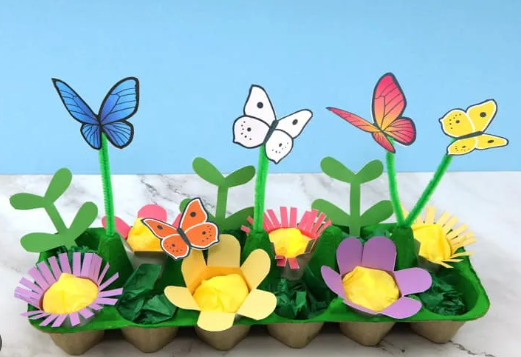
Creating a butterfly garden is not just an aesthetically pleasing endeavor; it’s also an educational journey for children and adults alike. Engaging with nature through a butterfly garden can provide valuable insights into ecosystems, biology, and conservation.
1. Understanding the Life Cycle of Butterflies
One of the fundamental aspects of butterfly education is understanding their life cycle, which includes stages as an egg, larva (caterpillar), pupa (chrysalis), and adult butterfly. You can set up a small observation area where you can keep caterpillars and chrysalises, allowing participants to observe the metamorphosis in real time. This hands-on experience often captivates children and helps solidify the concept of transformation in nature.
To enhance this learning experience, consider integrating art by having students sketch each stage of the butterfly’s life cycle. This not only reinforces their understanding but also fosters creativity. By documenting their observations in a journal, they can learn to compare and contrast different species, deepening their comprehension of biodiversity.
-
- Create a journal for daily observations.
-
- Provide art supplies for sketches of each life stage.
-
- Include a photo or drawing of the butterfly’s habitat.
-
- Encourage discussions about food sources during each life stage.
2. Plant Selection for Butterfly Attraction
Selecting the right plants is crucial for cultivating a thriving butterfly garden. Native plants are often the best choice as they provide food and habitat for local butterfly species. Common options include milkweed for monarchs, coneflowers, and lantana. Educating about the importance of plant selection can lead to discussions about native versus non-native species and their respective roles in local ecosystems.
To make this practical, consider organizing a planting day where everyone can get involved. Have a selection of plants ready, and let participants choose which plants they would like to plant in designated spots of the garden. This hands-on activity not only teaches them about the importance of plant selection but also instills a sense of ownership in the butterfly garden.
-
- Research local native plants that attract butterflies.
-
- Plan a planting day for community involvement.
-
- Incorporate a map to designate where to plant each type.
-
- Discuss how to care for these plants once they’re in the ground.
3. Creating a Habitat for Butterflies
A butterfly garden should not just be about flowers; it is essential to create a suitable habitat that provides shelter and water. This can be accomplished by incorporating native shrubs, trees, and shallow water sources like bird baths or dishes with pebbles. Teaching about the importance of habitat provides insight into how ecosystems function and the interdependence of species.
Moreover, offering a variety of habitats can attract different butterfly species. You can even set up small areas with varying sunlight exposure, which different species prefer. This can lead to engaging discussions about butterfly behavior and their habitat preferences, enriching the educational experience.
-
- Incorporate native shrubs and trees for shelter.
-
- Add shallow water sources to attract butterflies.
-
- Designate both sunny and shady areas in the garden.
-
- Discuss the importance of maintaining habitats for conservation.
4. Engaging Activities for Learning and Fun
Interactive activities can make learning about butterflies even more enjoyable. Consider organizing scavenger hunts where participants have to find different butterfly species in the garden, or set up a butterfly bingo game with plants, butterfly species, and behaviors to identify. Activities like these encourage teamwork and heighten awareness of the biodiversity present.
You can also host workshops on how to create butterfly feeders using natural ingredients or rearing caterpillars at home. These activities promote hands-on learning and allow participants to take a piece of the butterfly garden concept into their own lives, ultimately increasing their interest in conservation and gardens.
-
- Organize scavenger hunts in the garden.
-
- Set up bingo games focused on butterfly species.
-
- Host workshops on creating homemade butterfly feeders.
-
- Encourage the sharing of experiences in small groups afterwards.
Taking the plunge into butterfly garden education can be both rewarding and enlightening. By embracing these ideas, you can provide a rich educational experience that nurtures an appreciation for nature and conservation. Whether through practical activities, discussions, or creative projects, there’s no shortage of ways to engage with the enchanting world of butterflies.