Creating a bee habitat garden is a rewarding way to support these vital pollinators while enjoying the beauty of nature in your own backyard. Bees play a crucial role in ecosystems, and providing them with a safe haven can help increase local biodiversity. In this blog post, we will explore practical steps to create a flourishing bee-friendly garden.
1. Selecting the Right Plants
One of the most effective ways to attract bees is by planting a diverse range of flowers that are rich in nectar and pollen. Bees are particularly attracted to native plants because they have evolved alongside them, making their flowers easily accessible and familiar. Consider adding plants like bee balm, coneflower, and lavender, which bloom at different times of the year, ensuring a continuous food source for bees.
Additionally, it’s vital to avoid using pesticides and herbicides because they can be harmful to bees. Instead, opt for organic gardening methods or natural pest control techniques. Research local varieties of plants that are known to attract bees, as they are well-adapted to your specific climate and soil conditions.
-
- Choose a variety of native flowering plants.
-
- Select blooms that flower at different times for a continuous supply.
-
- Avoid pesticides and synthetic fertilizers.
-
- Research local bee-friendly plants specific to your area.
2. Creating Shelter and Nesting Sites
Bees need shelter and nesting spots in addition to food sources. Some bees are ground-nesters and prefer bare patches of soil for burrowing, while others, like mason bees, look for hollow stems or wood to lay their eggs. To provide a habitat, consider leaving some areas of the garden undisturbed, where natural debris can accumulate.
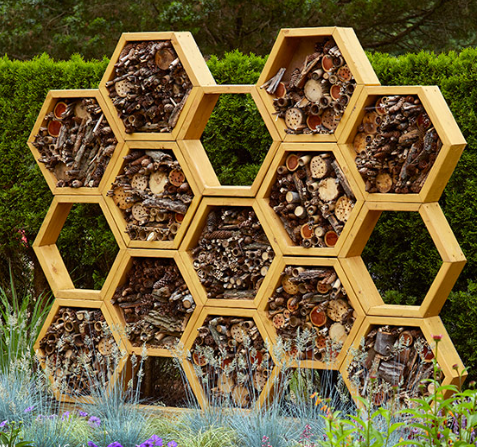
You can also create bee hotels by drilling holes into untreated wood or by bundling together hollow stems. These artificial nests provide safe spaces for many solitary bee species to thrive. Ensure that these habitats are placed in a sunny location for maximum warmth.
-
- Leave bare patches of soil for ground-nesting bees.
-
- Create bee hotels using untreated wood or hollow stems.
-
- Place nesting sites in sunny, sheltered locations.
-
- Avoid disturbing nesting areas to protect resident bees.
3. Water Sources and Additional Considerations
Providing bees with access to water is essential, especially during the warmer months. A shallow birdbath filled with clean water and a few stones for landing can be an excellent source for bees. Change the water regularly to prevent stagnation and attract more visitors to your garden.
In addition to water, consider integrating other elements that support bee health, such as planting a cover crop in the off-season. These crops can help provide bees with additional food while also enriching the soil. Make sure your garden is as organic as possible to create a safe environment.
-
- Create a shallow water source with stones for bees to land on.
-
- Change the water frequently to keep it fresh.
-
- Plant cover crops during the off-season.
-
- Assess your garden regularly for pests and weeds.
4. Educating Yourself and Your Community
As you enrich your garden, it’s important to stay informed about the needs and behaviors of bees. Participate in local workshops or classes on pollinator gardening to learn more about best practices and the different bee species in your area. The more you understand, the more effective your gardening efforts can be.
Engaging your community can also amplify your impact. Consider starting a neighborhood garden project focusing on bee habitats, or host educational events to raise awareness about pollinators and sustainable gardening practices. Collaboration can establish a larger space for bees and create community support.
-
- Read books and articles about bee habits and gardening.
-
- Attend community workshops on gardening for bees.
-
- Start a community project focused on creating bee habitats.
-
- Share your journey on social media to inspire others.
Creating a bee habitat garden not only benefits your immediate environment but can also contribute to the well-being of bee populations facing challenges worldwide. By following the practical steps in this blog post, you can make a significant difference for these essential pollinators. Start your journey today and cultivate a thriving environment for bees in your backyard!