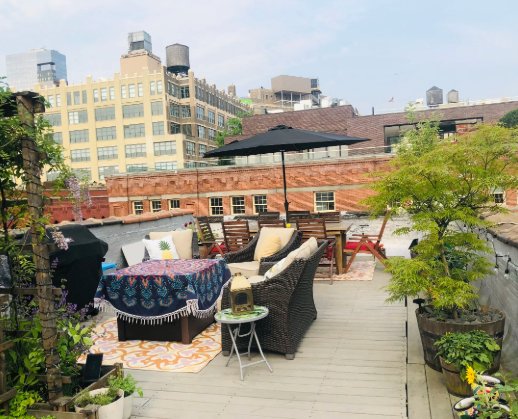
A rooftop can become much more than an unused surface above a building. With thoughtful planning, it can turn into a relaxing garden, outdoor dining area, quiet reading corner, or green retreat surrounded by the city.
The best Beautiful Rooftop Garden Ideas combine plants, furniture, shade, privacy, and practical circulation in a way that feels balanced rather than crowded. A successful rooftop garden should look attractive while also responding to wind, sunlight, drainage, weight, and maintenance.
Whether the space is large or compact, a few carefully chosen design elements can completely change the way a rooftop feels.
Create a Clear Garden Layout
Begin by deciding how the rooftop will be used.
Common zones include:
- Lounge area
- Dining area
- Planting zone
- Small herb garden
- Reading corner
- Open walking space
Not every rooftop needs all of these.
A smaller roof may work best with one seating area and perimeter planting, while a larger space can support several distinct zones.
Use planters, rugs, furniture, or changes in flooring to define areas without building unnecessary walls.
Use Large Planters for Structure
Large planters can give a rooftop garden a more architectural appearance.
Instead of using many small pots, choose several larger containers and group plants thoughtfully.
Rectangular planters work well along walls and railings, while round or sculptural containers can become focal points.
Use them for:
- Ornamental grasses
- Compact shrubs
- Small trees
- Flowering plants
- Herbs
Repeating similar planter styles helps the rooftop feel organized and cohesive.
Add Layered Planting
Beautiful rooftop gardens often use plants at different heights.
Combine low-growing plants with medium shrubs and taller grasses or small trees.
This creates depth and makes the garden feel fuller.
For example, one planting area might include a small tree at the back, ornamental grasses in the middle, and low flowering plants at the front.
Layering also creates a more natural appearance than using plants of the same height throughout the space.
Create Privacy With Greenery
Urban rooftops are often overlooked by nearby buildings.
Plants can provide privacy while keeping the space soft and attractive.
Tall grasses, bamboo in containers, compact evergreen shrubs, and climbing plants can all help screen views.
Trellises covered with vines can create vertical greenery without occupying much floor space.
Position privacy planting where it is actually needed rather than surrounding the entire rooftop.
This preserves open views and prevents the garden from feeling enclosed.
Add a Comfortable Lounge Area
A rooftop garden becomes more useful when there is a comfortable place to sit.
Choose outdoor furniture that suits the scale of the space.
A lounge area might include:
- Outdoor sofa
- Two armchairs
- Coffee table
- Side table
- Outdoor cushions
For smaller rooftops, a bench and two compact chairs may be enough.
Arrange the seating so it faces the best view, planting area, or architectural feature.
Include an Outdoor Dining Space
If space allows, add a dining table for meals and entertaining.
A small round table works well in tighter spaces because it is easier to walk around.
Larger rooftops may accommodate a rectangular dining table with six or more chairs.
Position the dining area near the building entrance if possible, especially when food will frequently be carried from an indoor kitchen.
Adding planters nearby can make the dining space feel more integrated with the garden.
Create Shade for Hot Days
Rooftops often receive strong direct sunlight.
Shade can make the space much more comfortable.
Options include:
- Outdoor umbrellas
- Retractable awnings
- Shade sails
- Pergolas
For a small garden, a movable umbrella may be enough.
Larger spaces can use a pergola to define a lounge or dining area.
Any permanent shade structure should be designed with rooftop wind exposure and structural requirements in mind.
Add a Pergola With Climbing Plants
A pergola can become one of the most attractive features in a rooftop garden.
It provides structure and can create partial shade.
Climbing plants can soften the frame over time and help connect the structure with the rest of the garden.
Possible choices depend on climate but may include flowering vines or evergreen climbers.
Avoid choosing very heavy planting systems unless the roof has been assessed for the additional load.
Use Vertical Gardens
Vertical greenery is especially useful where floor space is limited.
Wall-mounted planters, trellises, and vertical planting panels can turn blank walls into garden features.
They can support herbs, foliage plants, flowers, or trailing species.
A vertical garden can also provide a decorative background behind seating.
Keep irrigation and maintenance in mind before installing a complicated wall system.
A simple trellis with climbing plants is often easier to maintain.
Add a Small Tree as a Focal Point
One carefully positioned tree can transform a rooftop garden.
It creates height and gives the space a stronger sense of permanence.
Choose a species suitable for containers and local rooftop conditions.
Place the tree in a large stable planter near a seating area or at the end of an important sightline.
Avoid using too many trees in a small space.
One or two strong specimens often create more impact than several crowded containers.
Introduce Seasonal Flowers
Flowers can bring changing color to a rooftop garden.
Instead of filling the entire space with flowering plants, use them as accents.
Place seasonal flowers near:
- Entrances
- Seating areas
- Dining tables
- Main pathways
This allows you to refresh the garden throughout the year without redesigning the entire planting scheme.
Pair flowers with evergreen or structural plants so the rooftop still looks attractive when seasonal blooms fade.
Use Ornamental Grasses
Ornamental grasses are particularly effective in rooftop settings.
Their upright forms add movement and texture, while many varieties work well in containers.
They can be used to:
- Screen neighboring buildings
- Define seating areas
- Soften walls
- Add height
- Create natural-looking borders
Choose varieties that tolerate the rooftop’s sun, wind, and climate.
Grasses can look especially elegant when several identical planters are arranged in a row.
Create a Rooftop Herb Garden
A beautiful garden can also be productive.
Herbs are easy to integrate into rooftop planting.
Popular container choices include:
- Basil
- Rosemary
- Thyme
- Parsley
- Chives
- Mint
Place them near the dining area or entrance so they are easy to use.
A dedicated herb planter can become both a practical feature and part of the overall design.
Add an Outdoor Rug
An outdoor rug can make a seating area feel more finished.
It helps define the lounge zone and adds softness beneath furniture.
Choose a weather-resistant rug with a simple pattern or neutral color.
Make sure it does not block drains or trap moisture underneath.
In small rooftop gardens, one rug can visually organize the entire seating arrangement.
Choose a Limited Material Palette
Too many materials can make a rooftop look busy.
Select a small group of finishes and repeat them throughout the design.
For example:
- Natural wood
- Dark metal
- Neutral stone
- Light-colored planters
Consistency creates a more refined appearance.
The plants then provide most of the color and visual variation.
Add Warm Evening Lighting
Lighting allows the rooftop garden to remain useful after sunset.
Use several subtle sources rather than one bright fixture.
Consider:
- Wall lights
- Outdoor table lamps
- Lanterns
- Low path lights
- Integrated planter lighting
Focus on seating areas, pathways, and architectural features.
Lighting should improve safety and atmosphere without overpowering the garden.
Create a Quiet Reading Corner
Not every rooftop needs to be designed for entertaining.
A small corner can become a private retreat.
Add a comfortable chair, side table, and nearby planter.
Position it where there is shade or a pleasant view.
A small reading area works especially well in rooftops with irregular corners that might otherwise remain unused.
Use Raised Planters Carefully
Raised planting beds can create the appearance of a traditional garden.
They are useful for vegetables, herbs, flowers, or mixed ornamental planting.
However, soil becomes very heavy, especially when wet.
Raised beds should only be added after considering structural capacity.
In many cases, several large lightweight containers can provide a similar appearance with more flexibility.
Incorporate Water Carefully
A small fountain or shallow water feature can become an attractive focal point.
However, rooftop water features add weight and require reliable waterproofing and drainage.
For many residential rooftops, a compact self-contained feature is more practical than a large pond.
Keep the design simple and place it where maintenance is easy.
Structural and waterproofing requirements should be checked before installing substantial water features.
Keep Pathways Open
Plants and furniture should never make the rooftop difficult to move through.
Maintain clear routes between:
- Entrances
- Seating areas
- Dining zones
- Garden beds
- Roof drains
Open pathways make the space feel larger and improve everyday usability.
They also make plant care easier.
Avoid placing decorative pots in narrow circulation areas where they can become obstacles.
Plan for Wind
Wind is one of the biggest differences between ground-level gardens and rooftops.
Choose stable furniture and containers.
Tall plants may need protection or support.
Lightweight decorative items should be secured or stored during severe weather.
Screens and pergolas must also be designed to handle wind loads.
A beautiful rooftop garden still needs to function safely in exposed conditions.
Consider Structural Weight
Every rooftop garden adds weight.
Important loads can include:
- Planters
- Wet soil
- Trees
- Furniture
- Raised beds
- Pergolas
- Water features
Before installing large or permanent elements, confirm that the roof can safely support them.
A structural professional may be necessary for extensive rooftop landscaping.
Using lightweight containers and appropriate growing media can help reduce unnecessary load.
Protect Drainage and Waterproofing
Good drainage is essential.
Do not block roof drains with planters, rugs, or furniture.
Containers should have proper drainage holes, and excess water should be able to move away freely.
For larger planting systems, waterproofing and root protection may also need to be considered.
A rooftop garden should enhance the building without creating moisture problems beneath it.
Keep the Garden Easy to Maintain
The most beautiful rooftop garden is one that can be maintained consistently.
Choose plants suited to local sunlight, wind, and temperature conditions.
Group plants with similar watering needs.
A drip irrigation system may be useful where many containers are used.
Keep gardening tools in a storage bench or weather-resistant cabinet.
Simplifying maintenance helps the garden remain attractive throughout the year.
Create a Rooftop Garden With Lasting Appeal
The most successful Beautiful Rooftop Garden Ideas combine attractive planting with practical design.
Large planters, layered greenery, comfortable seating, privacy planting, shade, and subtle lighting can transform an empty roof into a welcoming outdoor space. Using a limited palette of materials and repeating plants helps the garden feel organized rather than crowded.
At the same time, rooftop conditions require careful attention to wind, structural load, waterproofing, and drainage.
By balancing these practical considerations with thoughtful planting and furniture placement, a rooftop can become a beautiful garden that feels connected to nature while remaining functional for everyday outdoor living.