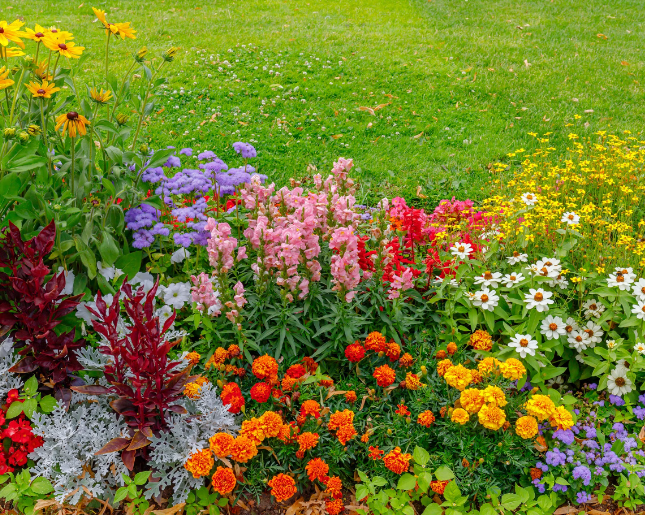
As awareness of declining bee populations grows, many homeowners are looking for ways to create bee-friendly landscapes. Not only do bees play a crucial role in pollination, but they also contribute to the beauty and diversity of our gardens. This blog will guide you through the essential elements of bee-friendly landscape design.
1. Selecting the Right Plants
Choosing the right plants is the cornerstone of a bee-friendly garden. Specific flowering plants provide the nectar and pollen that bees need for nourishment. Native plants, in particular, are often the best options as they are adapted to local ecosystems and provide a reliable food source throughout the growing season.
Consider incorporating a mix of annuals, perennials, and shrubs that bloom at various times of the year. This diversity ensures that there is always something flowering to attract bees. For instance, plants like black-eyed Susans and coneflowers are favorites among pollinators, while herbs such as lavender and basil can also draw in these essential creatures.
-
- Choose native flowering plants for your area.
-
- Include a variety of blooms that provide nectar from early spring to late fall.
-
- Avoid hybrid flowers with double blooms that lack nectar.
-
- Incorporate herbs that attract beneficial pollinators.
2. Creating Habitats and Shelter
While food sources are crucial, bees also need safe habitats to thrive. Incorporating design elements like bee hotels, rocky areas, and undisturbed ground can help provide suitable shelter. A bee hotel consists of small tubes or holes that mimic the natural nesting sites for solitary bee species.
Moreover, leaving some areas of your garden a bit wild can encourage ground-nesting bees. This means avoiding tilling the soil in certain spots, which can disrupt their nests. Having spots with native grasses or other ground cover can also offer necessary habitats for various bee species.
-
- Install bee hotels in sunny, sheltered spots of your garden.
-
- Leave bare ground or sandy patches for ground-nesting bees.
-
- Create a brush pile or log pile to offer shelter.
-
- Designate a ‘wild’ area in your garden with native plants.
3. Minimizing Pesticide Use
Pesticides are one of the leading threats to bee populations. To create a bee-friendly landscape, it is essential to minimize or eliminate pesticide use. Instead of chemical treatments, consider natural pest control methods such as introducing beneficial insects like ladybugs or utilizing insecticidal soap.
When pesticides are absolutely necessary, select products that are less harmful to bees and apply them during the evening when bees are less active. Additionally, consider practicing Integrated Pest Management (IPM), which focuses on long-term prevention strategies rather than short-term fixes.
-
- Avoid using pesticides during blooming periods.
-
- Use natural pest control methods whenever possible.
-
- Choose organic or bee-safe pesticides.
-
- Apply pesticides in the evening to reduce bee exposure.
4. Water Sources and Maintenance
Providing a clean, accessible water source is another vital component of a bee-friendly landscape. Bees require water for drinking and to help cool their hives, especially during hot weather. A shallow birdbath filled with pebbles or small dishes with fresh water can make a perfect oasis for thirsty bees.
Regular maintenance of your garden is also crucial. This includes deadheading flowers to encourage more blooms, removing invasive species, and ensuring adequate sunlight reaches the plants. Healthy plants create a vibrant ecosystem that supports bee populations.
-
- Provide shallow water sources with pebbles or marbles.
-
- Regularly maintain gardens by removing debris and invasive species.
-
- Deadhead flowers to encourage continuous blooming.
-
- Ensure that plants receive adequate sunlight for healthy growth.
5. Educating Your Community
Creating a bee-friendly landscape doesn’t have to stop at your garden. Educating your neighbors and community about the importance of bees can help expand their habitat beyond your property. Host workshops or casual meet-ups where you discuss bee-friendly practices and how to implement them in their own gardens.
Sharing resources, such as local nurseries that sell native plants or online platforms for community gardening initiatives, can further enhance your local ecosystem. Involving local schools or community centers in educational programs can ignite passion in younger generations about protecting pollinators.
-
- Organize community gardening events focused on bee-friendly practices.
-
- Share resources on native plants and pollinator protection.
-
- Engage local schools or organizations in bee education.
-
- Start a neighborhood garden club focused on sustainable practices.
Creating a bee-friendly landscape is a fulfilling journey that contributes to the health of our ecosystems. By implementing these strategies, you can make your garden a haven for bees and other pollinators. Whether you are a seasoned gardener or a beginner, every small step can help support these vital creatures.