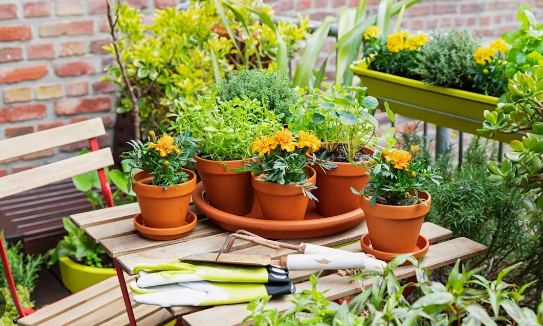
Creating a pollinator garden is not only beneficial for local ecosystems, but it can also be a delightful addition to your outdoor space. By selecting the right flowers, you can attract bees, butterflies, and other essential pollinators, enhancing biodiversity while enjoying the beauty of nature. Let’s explore some of the best flowers to include in your pollinator garden.
1. Coneflowers (Echinacea)
Coneflowers are iconic in the world of pollinator gardens. They bloom from mid-summer to early fall, providing a long-lasting source of nectar for butterflies and other pollinators. Their distinct, spiky center is both eye-catching and functional, as it attracts bees looking for pollen. Additionally, coneflowers are drought-resistant, making them easy to care for in a variety of climates.
Growing coneflowers in mass plantings can create a stunning visual impact in your garden. They typically thrive in well-drained soil and full sun. To encourage even more pollinators, consider pairing them with other native plants such as black-eyed Susans. Maintenance is relatively minimal; simply deadhead the blooms to promote continuous flowering.
-
- Choose a sunny spot for planting.
-
- Water regularly, especially during dry spells.
-
- Deadhead spent flowers to encourage more blooms.
-
- Consider mixing in other native plants.
-
- Watch for pollinators visiting and enjoy their activity!
2. Milkweed (Asclepias)
Milkweed is not only beautiful but is essential for the survival of the monarch butterfly, one of the most beloved pollinators. There are many varieties, such as common milkweed and butterfly weed, both of which attract various species of butterflies and bees. The distinct flowers produce ample nectar, making them a favorite spot for pollinators during the summer months.
Milkweed prefers full sun and can tolerate a range of soil conditions, although it thrives in dry, well-drained soil. They can be used in borders or left to grow wild for a more natural look. It’s also crucial to avoid using pesticides around milkweed, as these chemicals can harm the very pollinators you wish to attract.
-
- Research the best milkweed variety for your area.
-
- Plant in groups to create a more appealing habitat.
-
- Avoid chemical pesticides in your garden.
-
- Monitor for pests, like aphids, and remove them by hand if necessary.
-
- Educate others about the importance of milkweed for monarchs!
3. Black-Eyed Susan (Rudbeckia hirta)
Black-eyed Susans add brilliant color to your pollinator garden and are another excellent choice for attracting bees, butterflies, and other beneficial insects. They bloom in late summer and fall, offering a vital source of nectar when fewer flowers are in bloom. These hardy perennials are easy to grow and can thrive in a range of conditions, making them versatile options for many gardeners.
These flowers prefer sunny locations but can also tolerate partial shade. They work well in clusters and can be effective in mass plantings or as individual specimens. Another advantage is that black-eyed Susans return each year, providing a reliable food source for pollinators. Regularly deadheading can extend their blooming period and enhance their visual appeal.
-
- Group them together for maximum visual impact.
-
- Ensure they receive at least six hours of sunlight daily.
-
- Regularly check for and remove any dead blooms.
-
- Consider planting with other fall-blooming flowers.
-
- Look out for a variety of pollinators when in bloom!
4. Bee Balm (Monarda)
Bee balm is named for its ability to attract bees, but it also invites butterflies and hummingbirds into your garden. The flowers bloom during the summer months and come in beautiful shades of red, purple, and pink. This aromatic perennial is not only pleasing to the eyes but also to the senses, as the leaves have a refreshing minty fragrance.
Bee balm thrives in moist, rich soil and partial to full sunlight. It can spread vigorously, so you may want to keep an eye on its growth and manage its location if you’d like to prevent it from overtaking your garden. When planting bee balm, consider mixing with other plants that bloom at different times to extend the availability of nectar throughout the summer.
-
- Plant in clusters to attract a larger number of pollinators.
-
- Monitor growth to manage overcrowding effectively.
-
- Water regularly, especially in dry conditions.
-
- Prune back the plant after blooming to encourage health and vigor.
-
- Use mulch to retain soil moisture and suppress weeds.
Establishing a pollinator garden is a rewarding endeavor that contributes significantly to the health of local ecosystems. By choosing the right flowers, such as coneflowers, milkweed, black-eyed Susans, and bee balm, you can create a vibrant and thriving habitat for pollinators. Start planning your garden today, and witness the joy and diversity that these vital creatures bring to your outdoor space!