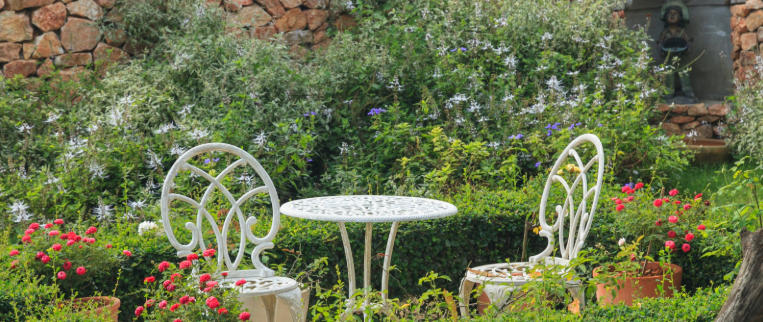
Cottage gardens have long been a favorite among gardeners, evoking a sense of charm and tranquility with their lush plantings and vibrant colors. Incorporating herbaceous borders into your cottage garden can enhance its beauty and provide a lively backdrop for various seasonal blooms. This blog post offers creative ideas on how to design your garden with herbaceous borders, creating an enchanting outdoor space.
Understanding Herbaceous Borders
Herbaceous borders are sections in your garden filled with perennial plants that die back in winter but bloom beautifully from spring through fall. These borders can bring structure and a sense of permanence to your cottage garden design. The key is to select a variety of plants that not only thrive in your climate but also offer a blend of colors, heights, and textures. Think about including species like delphiniums for height, daylilies for vibrant colors, and astilbes for delicate, feathery blooms. By intermixing these varieties, you can create a visual tapestry that changes with the seasons.
Color Schemes and Plant Combinations
When designing your herbaceous borders, consider color schemes that evoke the natural beauty of a cottage garden. Complementary colors can create visual harmony, while contrasting colors add drama and interest. For example, pairing rich purples with bright yellows can lead to a stunning visual effect. Additionally, incorporating foliage plants like hostas or ferns can provide depth and texture, even when flowers aren’t in bloom. Remember to think about bloom times, too, so that you’re not left with bare patches in your borders. Selecting a mix of early, mid, and late bloomers ensures that your garden is alive with color all season long.
Maintenance and Care Tips
While herbaceous borders can be a stunning addition to your cottage garden, they do require some maintenance to keep them in top shape. Regular deadheading, or removing spent flowers, encourages more blooms and keeps your garden looking tidy. Seasonal division of perennials every few years is also beneficial; it promotes healthy growth and creates opportunities to expand your border or share plants with friends. Additionally, mulching in spring can help retain moisture and suppress weeds, making your gardening chores easier. Remember, a little effort goes a long way in keeping your cottage garden vibrant and flourishing.
In conclusion, herbaceous borders offer endless possibilities for creating an enchanting cottage garden. By carefully selecting your plants, considering color combinations, and committing to regular maintenance, you can cultivate a space that is both beautiful and tranquil. If you’re inspired to start your own herbaceous border journey, don’t hesitate to explore further resources or visit local gardens for more ideas. Happy gardening!