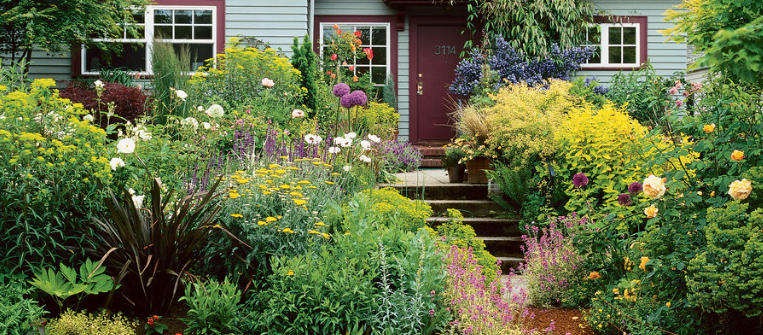
Creating a visually appealing cottage garden is all about embracing the untamed beauty of nature, and mixing tall and short plants plays a crucial role in achieving that charming look. Understanding how to layer your plants can enhance both aesthetics and biodiversity in your garden. Let’s explore some simple strategies to seamlessly blend tall and short plants for a lively, vibrant outdoor space.
Understanding Plant Heights
When planning your cottage garden, it’s essential to know the mature heights of the plants you want to include. Tall plants like hollyhocks or delphiniums can serve as striking backdrops, while shorter varieties such as violets or creeping thyme can fill in the foreground. By grouping taller plants at the back or center of your garden bed, you create a sense of depth and dimension. This arrangement also ensures that shorter plants receive the sunlight they need to thrive, making your garden both beautiful and functional.
Layering and Grouping
Layering is the key technique in any cottage garden, and it involves placing plants of varying heights in a way that complements each other. When grouping your plants, consider their blooming seasons and colors. Mix vibrant annuals like zinnias and marigolds between your perennials for a picturesque, eclectic look. Additionally, create clusters of like-minded plants—such as a patch of blues with forget-me-nots and lavender—while allowing taller plants to peek above. This not only adds visual interest but also encourages biodiversity by attracting various pollinators.
Using Foliage for Balance
Incorporating a variety of foliage types can also help harmonize the heights in your garden. Plants with broad leaves, like hostas, contrast beautifully with the slender foliage of ornamental grasses. This contrast can highlight the differences in height while providing a lush backdrop for flowers. Consider adding a few low-growing ground covers, like sedums, to soften the edges of the garden bed. Remember, the goal is balance—focus on varying sizes, shapes, and colors to create a natural flow throughout your garden space.
In conclusion, mixing tall and short plants in cottage gardens can create a delightful tapestry of colors and textures, bringing your outdoor oasis to life. With careful planning and a keen eye for design, you can craft a garden that not only looks stunning but also supports a diverse ecosystem. So go ahead, dive into your garden project, and experience the joy of blending different plant heights for a captivating space! For more tips and inspiration, keep exploring and discovering the beauty of gardening. Happy planting!