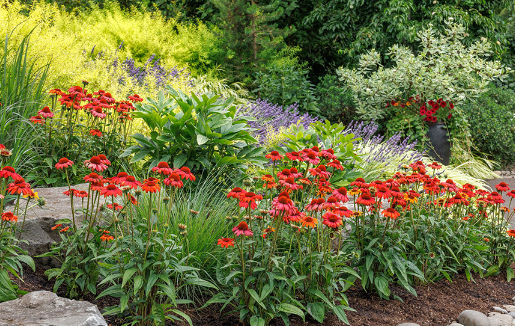
Creating shade in pollinator gardens is not just about comfort; it plays a vital role in nurturing a diverse ecosystem. Many pollinators like bees and butterflies benefit from shaded areas as these spaces provide refuge from the heat and ideal microclimates for their habitats.
1. Understanding the Importance of Shade
Shade in a garden can protect sensitive plants and pollinators from the extreme heat of the sun, which can be particularly damaging during high summer. Certain pollinators thrive in cooler areas, where the temperature remains moderate, and humidity is elevated, creating ideal conditions for foraging. Without adequate shade, plants can wilt, and pollinators may struggle to find food, leading to decreased populations.
Additionally, shade can help in promoting biodiversity within your garden. Different species of plants have varying light requirements, and shady areas can support shade-loving plants that attract a diverse range of beneficial insects. This not only enhances the beauty of your garden but creates a more sustainable ecosystem.
-
- Assess which areas of your garden receive full sun versus partial shade.
-
- Choose plants that thrive in shaded environments.
-
- Consider how shade affects soil moisture and temperature.
-
- Monitor pollinator activity in different areas of your garden.
2. Planting for Natural Shade
One of the most effective ways to create shade in a pollinator garden is through strategic planting. Tall plants, trees, and shrubs can provide the necessary cover. For instance, native trees such as oaks or small fruit trees can be planted to create overarching shade. This not only offers shelter but also produces fruits that can attract many pollinators. Moreover, these larger plants can provide shelter for smaller varieties that thrive below their cover.
In addition, incorporating layers of vegetation helps create diverse habitats. Ground cover plants like ferns or native wildflowers such as violets can thrive in shaded areas, benefiting both the pollinators and the garden’s aesthetics. Remember to choose plants that encourage the local pollinator populations native to your region as they will be better adapted to your gardening conditions.
-
- Research plants suited for partial to full shade in your area.
-
- Consider vertical layers in planting to maximize shading.
-
- Using native plants can enhance local pollinator populations.
-
- Include a variety of heights and colors to create an inviting space.
3. Utilizing Shade Structures
If natural shade is scarce in your garden, consider implementing shade structures such as pergolas, sails, or arbors. These structures can function as effective barriers to direct sunlight, allowing you to control the amount of light hitting your garden. By choosing permeable materials, light can still filter through, fostering a more diverse planting environment while maintaining cooler temperatures.
Apart from being functional, these structures can enhance the aesthetic value of your garden space. You can shield climbing plants along the sides of these shade structures, which can also act as additional food sources for pollinators. By strategically placing these structures, you can create beautiful, shaded spots where both plants and pollinators can thrive.
-
- Plan the positioning of shade structures based on sunlight patterns.
-
- Ensure that the materials used are durable and weather-resistant.
-
- Incorporate climbing plants for a more natural look.
-
- Consider movable structures for flexibility in lighting based on seasons.
4. Creating Microclimates
Shaded areas can help establish microclimates—miniature environments that retain specific temperature and moisture levels. Strategically placed plants, rocks, and soil can create these environments, benefiting various flora and fauna. For example, stone pathways can absorb heat during the day and release it at night, ensuring warmth below shade cover while maintaining cooler temperatures for plants.
Using windbreaks, like hedges or ornamental grasses, can further enhance microclimates, as they protect pollinators from strong winds that could hinder their activities. This can create a haven for these creatures, allowing for successful foraging and pollination activities.
-
- Observe how different areas of your garden are affected by the environment.
-
- Use rocks, water features, and soil types to create unique microclimates.
-
- Plant a mix of hardy and sensitive species to test which thrive in each microclimate.
-
- Enhance protection from winds with strategic planting of barriers.
In conclusion, creating shade in a pollinator garden goes beyond aesthetics; it is crucial for fostering a healthy environment for pollinators. By understanding the importance of shade, strategically planting natural shade providers, utilizing structures, and developing microclimates, gardeners can contribute to the well-being of their local ecosystems. Start today by taking steps to assess your garden and implement these strategies, ensuring a vibrant habitat for pollinators and plants alike.