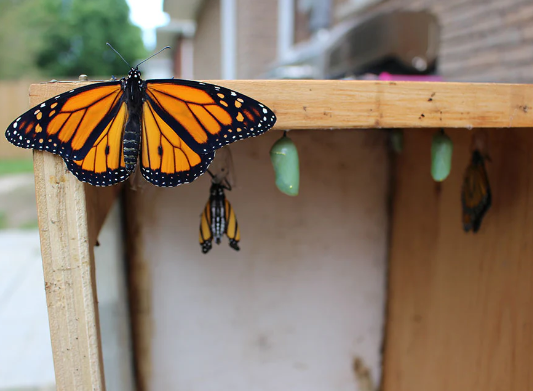
If you’ve ever marveled at the delicate beauty of butterflies fluttering around your garden, you’re not alone. Creating a butterfly habitat not only provides a sanctuary for these enchanting creatures but also contributes to local biodiversity. In this post, we will explore how to effectively build a butterfly habitat that will invite and sustain these winged wonders.
1. Choosing the Right Location
The first step in building a butterfly habitat is selecting an ideal location. Butterflies thrive in sunny areas, as they require warmth to fly. Ideally, find a spot that receives at least six hours of sunlight daily, preferably with some shelter from strong winds. A corner of your yard that is less populated by trees and other large structures could be perfect.
Additionally, ensure that your chosen location is convenient for viewing. Being close to a window or a frequently used area of the yard will allow you to enjoy the butterfly activity. You should also consider the soil quality; well-drained, nutrient-rich soil will help your plants flourish, creating an inviting atmosphere for butterflies.
-
- Look for a sunny spot with at least six hours of sunlight.
-
- Choose an area that offers some protection from strong winds.
-
- Ensure the area is easily accessible for viewing and maintenance.
-
- Inspect the soil quality; aim for nutrient-rich, well-drained soil.
2. Selecting Native Plants
To attract butterflies, it’s crucial to plant native flowers, as these species are adapted to the local climate and ecology. Native plants provide necessary nectar and serve as host plants for caterpillars. Research your region to identify the best native flowering plants, such as milkweed for monarchs, or aster for general butterfly attraction.
Incorporate a diversity of plants to ensure there is a continuous bloom throughout the growing season. This provides a steady food source for both adult butterflies and caterpillars. Grouping similar plants together can create a more attractive and inviting environment for butterflies, making it easier for them to find food and mates.
-
- Identify native plants that thrive in your region.
-
- Choose a variety of flowering plants to extend the blooming season.
-
- Include host plants specifically for caterpillars.
-
- Cluster plants of the same species to create inviting patches.
3. Adding Water Sources and Shelters
Butterflies need water to survive, but they aren’t fans of deep bodies of water. Adding shallow water sources, such as birdbaths or small puddles, can attract butterflies. A shallow dish filled with stones and water is a perfect option, allowing butterflies to perch and sip without the risk of drowning.
In addition to water, providing shelter is essential for butterflies. Consider adding shrubs and low-hanging branches where butterflies can rest and hide from predators. Structures like butterfly houses can also be beneficial, offering refuge during inclement weather or predator threats.
-
- Install shallow water sources like birdbaths or puddles.
-
- Add stones or gravel to your water sources to provide perches.
-
- Incorporate shrubs and low branches for natural shelter.
-
- Consider building or buying butterfly houses for extra protection.
4. Minimizing Pesticide Use
To create a safe butterfly habitat, it’s vital to limit pesticide use. Many common pesticides are harmful not only to pests but also to beneficial insects like butterflies. Consider organic and eco-friendly gardening practices, using natural repellents or insecticidal soaps that minimize harm to butterflies and other pollinators.
Promoting a healthy ecosystem with natural predators and beneficial insects can also reduce the need for chemical treatments. Keeping the habitat healthy and well-maintained, along with introducing companion planting techniques, can naturally deter pests without the need for harmful substances.
-
- Avoid using chemical pesticides in your garden.
-
- Opt for organic gardening methods whenever possible.
-
- Use natural repellents that are safe for butterflies.
-
- Encourage beneficial insects that can control pests naturally.
5. Educating Yourself and Others
Building a butterfly habitat is an ongoing learning experience. Educational resources such as local gardening clubs, nature centers, and online forums can provide valuable insights. Engaging with local experts can also help you identify the best plants and practices for your specific area.
Once you’ve created your butterfly habitat, consider sharing your journey with your community. Hosting workshops or creating a blog can inspire others to join in this rewarding endeavor, further promoting butterfly conservation in your area. Don’t hesitate to document your progress and discover what works best over time.
-
- Follow local experts and organizations on gardening and butterfly conservation.
-
- Participate in community events focused on wildlife preservation.
-
- Document your experiences and share them online or in local workshops.
-
- Encourage friends and family to start their own butterfly habitats.
Starting your butterfly habitat is a rewarding journey that promotes local wildlife and brings beauty to your garden. Follow these steps and enjoy the process of nurturing these colorful pollinators. Remember, each little effort contributes to their survival and our shared environment.