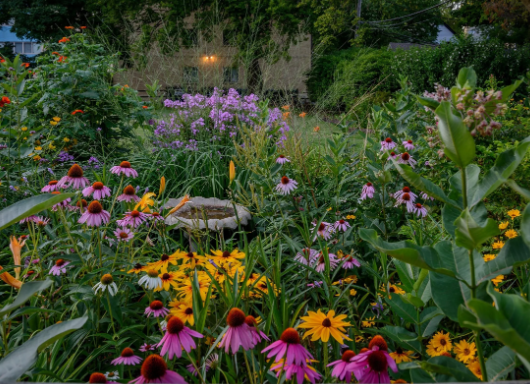
Creating a pollinator garden using native plants is an excellent way to support local ecosystems and enhance the beauty of your outdoor space. Native plants are specifically adapted to your local climate and soil, making them easier to grow and maintain. These plants provide essential food sources and habitats for pollinators like bees, butterflies, and birds.
1. Why Choose Native Plants?
Native plants are well-suited to the local environment, meaning they require less water, fertilization, and pest management compared to non-native species. This not only saves you time and money but also makes your gardening efforts more sustainable. By planting native flora, you transform your garden into a thriving habitat where local wildlife can flourish.
Additionally, native plants are more efficient at attracting local pollinators. They have co-evolved with local species, meaning their flowering times and nectar production are aligned perfectly with the needs of pollinators. For instance, the milkweed plant is crucial for monarch butterflies, providing both nectar and a place for them to lay their eggs. Without these plants, local pollinators may struggle to survive.
-
- Research the native plants specific to your region.
-
- Consult local gardening experts or extension services.
-
- Consider climate and soil conditions when choosing plants.
-
- Start with a small area before expanding.
2. Top Native Plants for Pollinators
Some popular choices for pollinator gardens include coneflowers, bee balm, and asters. Coneflowers, known for their striking pink and purple blooms, attract bees and butterflies with their abundant nectar. Bee balm, with its vibrant red or purple flowers, is a favorite of hummingbirds and bees alike, providing essential foraging resources in late summer.
Asters bloom in late summer to early fall, offering food sources just when many other plants have finished flowering. Their flat-topped flowers serve as landing pads for bees and butterflies, making them an indispensable part of a pollinator-friendly garden. By integrating a variety of these native plants, you can ensure that your garden remains a lively gathering place for pollinators throughout the growing season.
-
- Choose a mix of flowering plants to ensure continuous blooms.
-
- Plant in clumps for better visibility and accessibility for pollinators.
-
- Opt for plants with varying heights for visual interest.
-
- Incorporate host plants to support caterpillars and larvae.
3. Creating a Welcoming Habitat
Beyond just planting flowers, creating a welcoming habitat for pollinators involves providing shelter and water sources. Consider adding native shrubs or trees, which can provide additional habitats and food sources throughout the year. Hollow stems, rocks, and leaf litter can create the perfect environment for solitary bees and other beneficial insects.
Water features, even small ones like bird baths or shallow saucers filled with pebbles, can be appealing to thirsty pollinators. Make sure to keep water sources clean and change the water regularly to avoid mosquito breeding. Implementing these ideas can significantly enhance your garden’s appeal to pollinators and create a balanced ecosystem.
-
- Incorporate diverse native plants, shrubs, and trees.
-
- Add water features to attract pollinators.
-
- Provide shelter with rocks, leaves, and hollow stems.
-
- Limit pesticide usage to protect pollinators.
4. Maintenance Tips for Your Pollinator Garden
Once you’ve established your pollinator garden, maintenance is key to its success. Regular watering, especially during dry spells, is essential to keep your native plants thriving. However, it’s crucial to remember that established native plants typically need less water and care over time, making them an excellent choice for a sustainable garden.
Weeding is another important maintenance task. Native plants may need protection from invasive species that can take over and compete for resources. Regular checking will keep your garden healthy and vibrant, ensuring it remains a beneficial environment for pollinators and a beautiful retreat for you.
-
- Water native plants during dry spells, but reduce frequency as they establish.
-
- Regularly check for and remove invasive weeds.
-
- Prune dead or diseased plants to foster healthy growth.
-
- Monitor for pests and diseases without using harmful chemicals.
In conclusion, cultivating a pollinator garden with native plants is not only rewarding but also a vital step toward supporting local ecosystems. By making informed choices and caring for your plants, you create a thriving habitat that benefits both you and the wildlife in your area. Start your journey today by selecting native plants that will flourish in your garden and attract the pollinators that need them most.