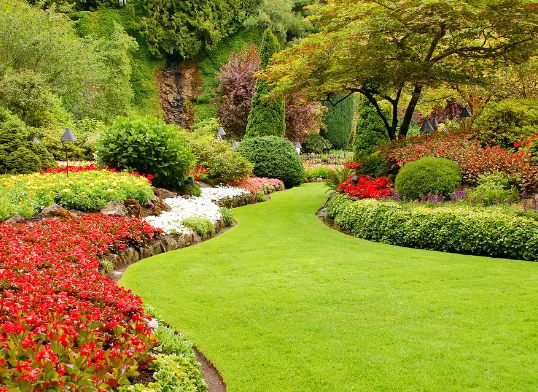
Creating a pollinator garden is a fantastic way to support local ecosystems while enjoying vibrant flowers and the calming presence of bees, butterflies, and other pollinators. With thoughtful layout ideas, you can maximize the appeal of your garden for these vital creatures.
1. Zones of Diversity
One effective strategy for designing a pollinator garden is to create distinct zones of diversity. Different sections can feature unique plant species, attracting a variety of pollinators. For example, one zone can be dedicated to native wildflowers, while another can host herbs and vegetables, which are also attractive to pollinators due to their flowers. Zones should be planned based on sun exposure, soil type, and moisture levels to ensure that each area thrives.
Additionally, consider including elements like seating areas where you can enjoy the beauty of your garden. These zones can allow you to observe pollinators up close. By ensuring there is a variety of colors and shapes, you’ll cater to various pollinators’ preferences, enhancing the efficacy of your garden.
-
- Group plants in clusters instead of scattering them to create visually appealing blocks.
-
- Choose native plants well-adapted to your local ecosystem for sustainability.
-
- Incorporate varying heights, from low ground covers to tall flowers, to create an engaging layout.
-
- Designate shaded areas for shade-loving plants, ensuring diversity is maintained throughout.
2. Season-Long Blooming
To attract pollinators throughout the growing season, plan a garden layout that features plants with staggered blooming times. Early spring bloomers like crocus and snowdrops can provide essential nectar when pollinators emerge from hibernation. In contrast, summer and fall favorites such as asters and goldenrods ensure that pollinators don’t run out of food as the season transitions.
Incorporating a variety of blooming times will not only help sustain local bee populations but also create a continuously evolving landscape in your garden. As the blooms change, your garden will offer varying colors and scents, ensuring it remains a captivating spot for both humans and pollinators all season long.
-
- Select a minimum of three plants that bloom in each season for continuous color.
-
- Research local flowering calendars to know when to plant specific varieties for maximum effect.
-
- Add flowering plants that bloom in different years for a layered effect.
-
- Consider container gardens for late bloomers that can easily be moved to highlight seasonal changes.
3. Water Sources and Shelter
Aside from food, pollinators require water and shelter to thrive. Including small water features or shallow dishes filled with rocks and water can provide hydration for bees and butterflies. These can be simple additions, like bird baths or repurposed containers, and a vital element of your pollinator garden that many gardeners overlook.
Additionally, providing shelter in the form of native grasses, brush piles, or bee hotels can encourage pollinators to make your garden their home. As butterflies and bees need a place to rest and reproduce, integrating these elements can greatly enhance the viability of your garden while also enriching the biodiversity of your local area.
-
- Make sure water sources are clean and regularly filled, especially during dry months.
-
- Choose materials for bee hotels that are untreated and rot-resistant.
-
- Place water dishes in sunny locations, as pollinators prefer warm spots.
-
- Position brush piles near flowering plants to encourage nesting behaviors.
4. Year-Round Interest
Finally, think about how to make your garden interesting all year round. Incorporate evergreen plants and ornamental grasses that provide texture and interest during the winter months. For instance, plants like winterberry hawthorn not only offer visual appeal but also provide food for birds during the harsher months.
Incorporating structures like trellises or arbors can support climbing plants that add vertical interest throughout the seasons. These features serve a dual purpose by also offering additional habitats for various wildlife, maintaining a thriving ecosystem even during off-peak blooming periods.
-
- Choose at least one evergreen plant for year-round foliage.
-
- Implement hardscaping elements to create visual interest outside of blooming weeks.
-
- Incorporate seasonal decor, such as colorful containers that elevate winter interest.
-
- Utilize plant species that have interesting seed heads or bear fruits during fall and winter.
In conclusion, designing a pollinator garden with thoughtful layout ideas not only beautifies your space but also supports crucial ecosystems. By incorporating diverse plants, ensuring season-long blooms, and adding water and shelter, you will create an inviting oasis for pollinators. Take the next step and design your own flourishing pollinator garden today!